


Listen to the article
Netflix Strikes $72 Billion Deal to Acquire Warner Bros. Discovery
Netflix has reached an agreement to acquire Warner Bros. Discovery in a landmark $72 billion deal that would unite two entertainment powerhouses and potentially reshape the streaming landscape. The cash and stock transaction, announced Friday, would combine Netflix’s global streaming dominance with Warner’s century-old film and television studio operations.
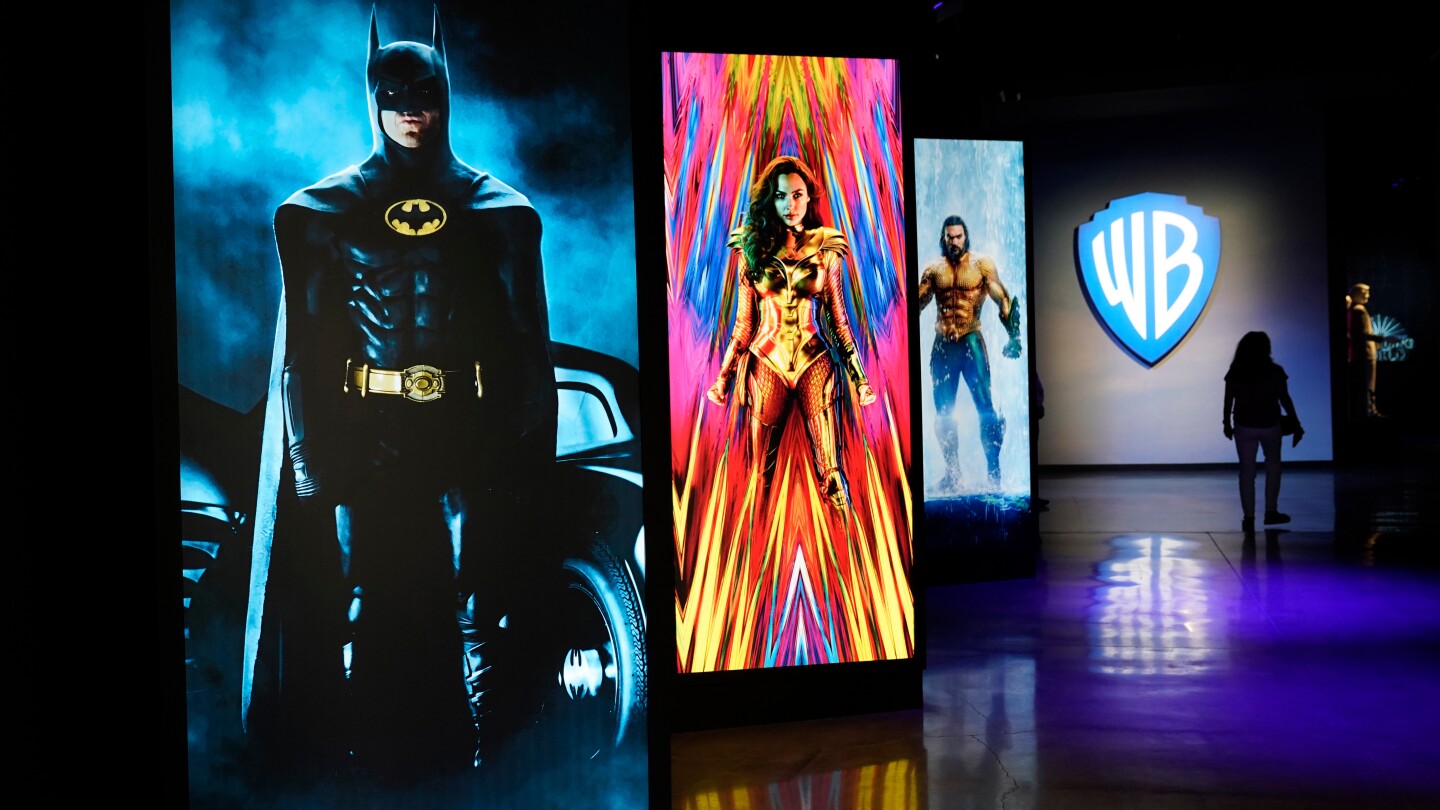
Under the deal, valued at $27.75 per Warner share with a total enterprise value of $82.7 billion including debt, Netflix would gain control of HBO Max and Warner’s vast content library, which includes franchises like Harry Potter and DC Studios properties. The acquisition excludes Warner’s cable operations such as CNN and Discovery, which will be spun off into a separate public company called “Discovery Global.”
“For more than a century, Warner Bros. has thrilled audiences, captured the world’s attention, and shaped our culture,” said David Zaslav, CEO of Warner Bros. Discovery, in a statement. “By coming together with Netflix, we will ensure people everywhere will continue to enjoy the world’s most resonant stories for generations to come.”
The merger, expected to close within 12 to 18 months pending regulatory approval, would represent a significant shift in strategy for Netflix, which has historically avoided acquiring legacy media companies. As recently as October, Netflix co-CEO Ted Sarandos stated the company had “no interest in owning legacy media networks.”
Market analysts note the acquisition would solidify Netflix’s position as the dominant force in streaming entertainment. “Netflix is the top streaming service today. Now combined with HBO Max, it will absolutely cement itself as the Goliath in the streaming industry,” said Mike Proulx, vice president and research director at Forrester.
One key question remains whether Netflix would maintain HBO Max as a separate service or integrate it into its existing platform. Either approach could provide consumers with potential pricing relief through bundled subscriptions at a time when streaming costs continue to rise.
The deal would also mark a significant expansion of Netflix’s theatrical presence. Under the proposed acquisition, Netflix has committed to honoring Warner’s existing agreements for theatrical film releases. This represents a departure from Netflix’s typical strategy of limited theatrical runs primarily for awards-qualifying purposes, though the company has recently shown increased interest in theatrical distribution with releases like “KPop Demon Hunters.”
The potential merger has already drawn criticism from cinema industry representatives. Cinema United, a trade association representing over 56,000 movie screens globally, expressed strong opposition to the deal, warning it “poses an unprecedented threat to the global exhibition business.”
“Netflix’s stated business model does not support theatrical exhibition. In fact, it is the opposite,” said Michael O’Leary, CEO of Cinema United. “Theaters will close, communities will suffer, jobs will be lost.”
The acquisition faces significant regulatory hurdles, particularly regarding antitrust concerns about the combined company’s market power in the streaming sector. Industry experts anticipate intense scrutiny from regulators regarding the deal’s potential impact on consumer choice, subscription pricing, and competition within the entertainment industry.
The announcement concludes months of speculation about Warner Bros. Discovery’s future, during which several potential buyers emerged, including Comcast and Paramount. The latter seemed poised to acquire Warner’s entire business, including its cable operations, before Netflix secured the agreement for the streaming and studios portion.
Warner Bros., at 102 years old, represents one of the “big five” legacy Hollywood studios. Should the deal receive regulatory approval, the remaining major studios would be Disney, Paramount, Sony Pictures, and Universal.
The proposed transaction reflects the ongoing consolidation in the media industry as companies seek scale and content libraries to compete in the streaming era. For Netflix, acquiring Warner’s prestigious franchises and production capabilities could strengthen its position against competitors like Disney+ and Amazon Prime Video, while potentially opening new revenue streams through theatrical distribution.
Wall Street’s initial reaction showed Warner Bros. shares rising nearly 2% after the announcement, while Netflix stock fell approximately 2%. Paramount, which had been vying for Warner, saw its shares drop nearly 6%.
Fact Checker
Verify the accuracy of this article using The Disinformation Commission analysis and real-time sources.

17 Comments
As a consumer, I’m hopeful that this deal will lead to more high-quality, innovative content. But I’ll be keeping a close eye on how it affects pricing and competition in the streaming space.
This is a bold move by Netflix, but I can understand the strategic rationale behind it. Combining their global reach with Warner’s iconic content could make for a formidable player in the streaming wars.
While the financial figures are staggering, I’m more curious about the creative and cultural implications of this merger. How will it impact the types of stories and perspectives that get amplified?
That’s a really important point. The consolidation of creative power could have far-reaching effects on the diversity and richness of the content landscape.
Wow, a $72 billion deal between Netflix and Warner Bros. Discovery – that’s massive! I’m curious to see how this will impact the streaming landscape and content production going forward.
Agreed, this merger could be a game-changer. Consolidating such a huge content library under one umbrella will be interesting to watch.
It will be interesting to see how this acquisition impacts the broader streaming landscape. Will it spur further consolidation, or will it encourage more independent players to emerge?
Great question. The industry dynamics could shift significantly depending on how this deal plays out.
From a business perspective, this deal makes sense as both companies look to gain scale and expand their content offerings. But I hope it doesn’t lead to less competition and diversity in the streaming space.
This acquisition seems like a strategic move by Netflix to strengthen its position against competitors like Disney+ and HBO Max. I wonder how they’ll integrate Warner’s vast IP into their platform.
Good point. Combining Netflix’s global reach with Warner’s renowned franchises like Harry Potter and DC could give them a significant advantage.
As a fan of both Netflix and Warner’s content, I’m intrigued by the potential synergies this deal could create. However, I hope it doesn’t result in less choice and competition in the long run.
It will be fascinating to see how this acquisition shapes the future of the entertainment industry. I’m curious to know if regulators will have any concerns about the level of market concentration.
That’s a good question. Antitrust issues will likely be a key consideration as the deal goes through the approval process.
While the scale of this deal is impressive, I wonder if it could lead to higher subscription prices for consumers as the combined company looks to capitalize on its market power.
This is a bold move by Netflix, but I’m optimistic that it could lead to more diverse and high-quality content for viewers. The combination of talent and resources could be really exciting.
I share your optimism. Consolidating these two entertainment powerhouses could unlock new creative possibilities.