


Listen to the article
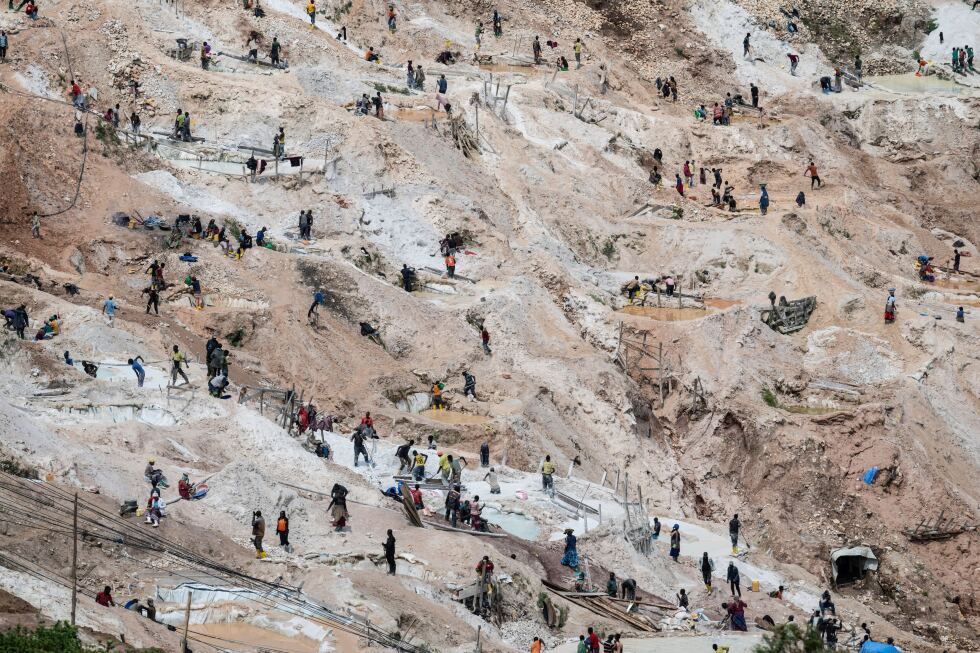
At least 200 miners are feared dead following a devastating landslide that collapsed several tunnels at a major coltan mine in eastern Democratic Republic of Congo. The disaster occurred Tuesday at the Rubaya mine, located about 25 miles west of Goma, the regional capital.
The collapse hit an area currently controlled by the Rwandan-backed M23 rebel group, which seized the town of Rubaya and its lucrative mining operations in May 2024. In the aftermath of the disaster, government officials and rebel representatives have traded accusations over responsibility for the incident, while also disputing the official death toll.
According to the Congolese Ministry of Mines, at least 200 artisanal miners lost their lives when hand-dug tunnels collapsed. However, verifying the exact casualty figures remains challenging due to the remote location and the control exerted by rebel forces over the area.
Ibrahim Taluseke, a miner at Rubaya, told The Associated Press that financial incentives may affect reporting of the true death toll. “Imagine if you give a high number, these owners could even eliminate you. Because often they even hide the victims’ bodies to avoid compensation,” Taluseke explained, noting that mine owners must pay $300 to each victim’s family.
This latest catastrophe follows a similar collapse in January that also claimed over 200 lives, making these incidents among the deadliest mining disasters in the region in recent years. The back-to-back tragedies have raised serious concerns about safety conditions and oversight at the mines.
Experts offer differing perspectives on the causes behind the repeated collapses. Christian-Géraud Neema, a nonresident scholar with the Carnegie Africa Program, attributes the disaster primarily to heavy rainfall and cautions against hasty conclusions about rebel control being the primary factor.
“It’s normal for Kinshasa to exaggerate the numbers,” Neema noted, suggesting that mining collapses are unfortunately common in the region regardless of who controls the territory. “We should not be shocked; we should expect another collapse in three weeks’ time or in a month,” he added.
By contrast, Guillaume de Brier, a researcher at the International Peace Information Service (IPIS), sees a clear connection between M23’s takeover and deteriorating safety conditions. “Because of M23, there are no more civil society protections or state services,” de Brier explained. The absence of regulation amid ongoing conflict has reportedly led to an influx of miners, many of whom have few alternative employment options in the war-torn region.
The Rubaya mines are significant global suppliers of coltan, a crucial ore containing tantalum and niobium – metals designated as critical raw materials by the United States, European Union, China, and Japan. Tantalum is essential for manufacturing mobile phones, computers, and automotive electronics, while also being used in aircraft engines and missile components. Niobium plays a vital role in pipelines, rockets, and jet engines.
The economic stakes are considerable. According to UN reports, since taking control of Rubaya, the M23 rebels have imposed taxes on approximately 120 metric tonnes of coltan traded monthly, generating at least $800,000 in revenue. This coltan is reportedly exported to neighboring Rwanda, though analysts note that even before the rebel takeover, the mineral was being sold to Rwanda through Congolese intermediaries.
The disaster adds another layer of suffering to a region already experiencing a severe humanitarian crisis and persistent armed conflict. Working conditions for miners in eastern Congo have long been precarious, with many tunnels dug by hand with minimal structural support and no emergency evacuation routes.
As recovery efforts continue, the true scale of the disaster remains unclear, highlighting the challenges of monitoring mining safety and human rights in conflict zones dominated by armed groups.
Fact Checker
Verify the accuracy of this article using The Disinformation Commission analysis and real-time sources.

10 Comments
This is a heartbreaking reminder of the human toll of mining in parts of the world. While the minerals extracted are essential for modern technology, the safety and wellbeing of the workers must be the top priority.
Tragic to hear about the deadly collapse at the Rubaya mine in Congo. These dangerous working conditions for artisanal miners are unacceptable. Stronger safety regulations and oversight are clearly needed to protect these vulnerable workers.
Agreed. The companies and rebel groups profiting from these mineral resources must be held accountable for the workers’ wellbeing. More transparency and independent monitoring is crucial to prevent such tragedies.
This incident highlights the critical need for mining reform and better protections for miners in Congo. With high global demand for minerals like coltan, the exploitation of these workers has to stop. Responsible sourcing practices are long overdue.
You’re right. These mineral resources are essential for modern technology, but the human cost is unacceptable. Consumers and tech companies have a responsibility to ensure their supply chains are not linked to abusive mining practices.
So sad to see these preventable deaths at the Rubaya mine. The lack of safety standards and oversight is appalling. Congo’s government and the rebel groups controlling the mines must do more to protect artisanal miners from these hazards.
A devastating tragedy. The high demand for these critical minerals cannot come at the expense of miners’ lives. More transparency, regulation, and ethical practices are urgently needed in Congo’s mining industry.
Absolutely. Responsible sourcing should be a priority for companies relying on these minerals. Consumers also have a role to play in demanding change and holding the industry accountable.
Tragic situation at the Rubaya mine. Miners risking their lives for these in-demand minerals like coltan. The Congolese government and mining companies need to do much more to protect worker safety and prevent future disasters.
You’re right, this disaster sheds light on the unacceptable conditions many miners face. Responsible sourcing practices and stronger regulations are crucial to ensure these workers are properly protected.