


Listen to the article
At least 200 people are feared dead following a mine collapse at a major coltan mining site in eastern Democratic Republic of Congo, according to government officials, though the death toll has been disputed by the rebel group controlling the area.
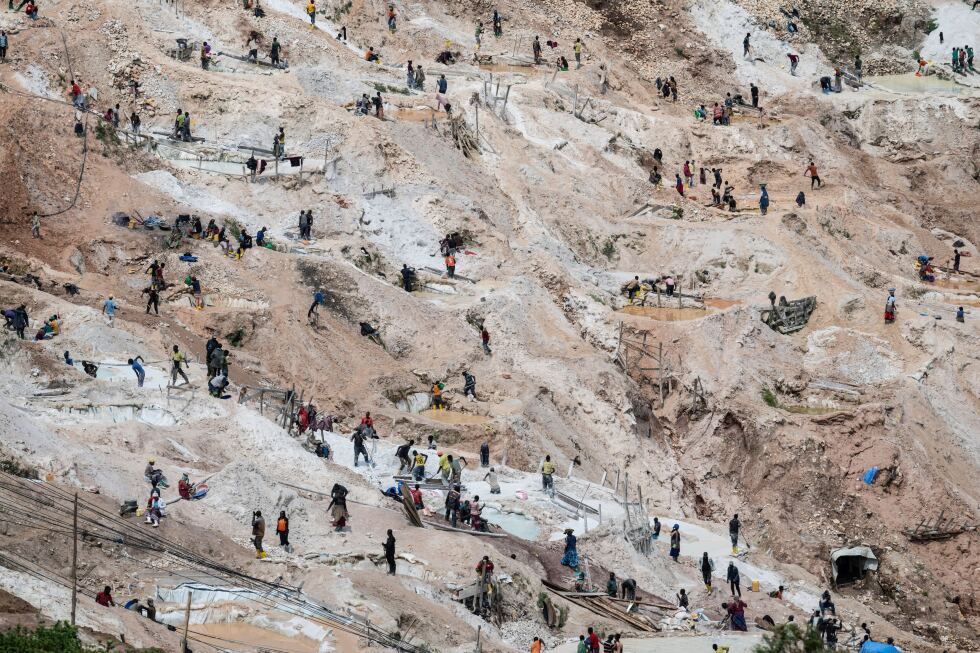
The disaster occurred Tuesday at the Rubaya mines in North Kivu province, a significant source of coltan—a critical mineral used in modern electronics. Congo’s Ministry of Mines confirmed the incident in a statement released Wednesday, describing it as the latest in a series of mining tragedies to hit the resource-rich but conflict-plagued region.
Fanny Kaj, a senior official with the M23 rebel group that currently controls the mines, strongly rejected the government’s casualty figures. “What people are publishing is not true,” Kaj stated. “There was no landslide; there were bombings, and the death toll isn’t what people are saying. It’s simply about five people who died.”
However, eyewitness accounts contradict the rebel group’s claims. Ibrahim Taluseke, a miner who participated in recovery efforts, reported helping retrieve more than 200 bodies from the collapsed site. “We are afraid, but these are lives that are in danger,” Taluseke said. “The owners of the pits do not accept that the exact number of deaths be revealed.”
The Rubaya mining area represents a crucial hub in global technology supply chains. The Democratic Republic of Congo produced approximately 40% of the world’s coltan in 2023, according to data from the U.S. Geological Survey. The mines at Rubaya alone account for more than 15% of global tantalum supply—a rare metal extracted from coltan that is essential for manufacturing smartphones, computers, and aircraft engines.
The disaster highlights the dangerous conditions faced by miners in Congo’s artisanal mining sector, where safety regulations are often minimal or unenforced. It also underscores the complex interplay between valuable mineral resources and ongoing conflict in the region.
M23 seized control of Rubaya in May 2024, establishing a lucrative revenue stream by imposing taxes on coltan trade and transport. According to United Nations reports, these taxation activities generate at least $800,000 monthly for the rebel group.
The rebel group’s resurgence has intensified long-standing conflicts in eastern Congo, exacerbating an already severe humanitarian crisis. More than 7 million people have been displaced across the country, with over 300,000 forced to flee their homes since December 2023 alone.
This latest mine collapse follows a similar disaster last month that also claimed more than 200 lives, reflecting the persistent dangers facing workers in Congo’s mining sector.
Despite recent diplomatic efforts, violence continues to plague eastern Congo. In June, the governments of the Democratic Republic of Congo and Rwanda signed a U.S.-brokered peace deal aimed at reducing tensions, while negotiations between Congolese authorities and rebel groups remain ongoing. The agreement also creates opportunities for American companies and the U.S. government to access Congo’s strategic mineral resources.
Mining safety advocates have long called for stronger regulations and enforcement in Congo’s artisanal mining sector, where workers often operate without proper equipment or training. The informal nature of many mining operations, particularly in rebel-controlled territories, makes implementing and monitoring safety standards especially challenging.
The contrast between the immense wealth generated by Congo’s mineral resources and the dangerous conditions endured by those who extract them highlights persistent issues of resource governance and economic inequality in the country.
As recovery efforts continue at Rubaya, the full extent of the disaster remains unclear, with conflicting accounts from authorities and rebel groups complicating efforts to determine the true death toll.
Fact Checker
Verify the accuracy of this article using The Disinformation Commission analysis and real-time sources.

4 Comments
It’s alarming to hear about another mining disaster in the DRC, a region plagued by conflict and instability. The conflicting reports from the government and rebel groups are worrying and underscore the need for independent verification of the facts.
Tragic news. The death of over 200 miners is devastating. I hope the authorities can work with all parties to determine the true scale of the disaster and ensure proper support and compensation for the victims’ families.
The coltan mining industry in the DRC is crucial for modern electronics, but the safety and working conditions of miners remain a serious concern. This tragedy highlights the ongoing challenges in balancing economic development with worker protections and environmental safeguards.
This is a tragic incident. The loss of life is devastating, and the disputed death toll is concerning. Hopefully, a full and transparent investigation can shed more light on what happened and ensure accountability.