


Listen to the article
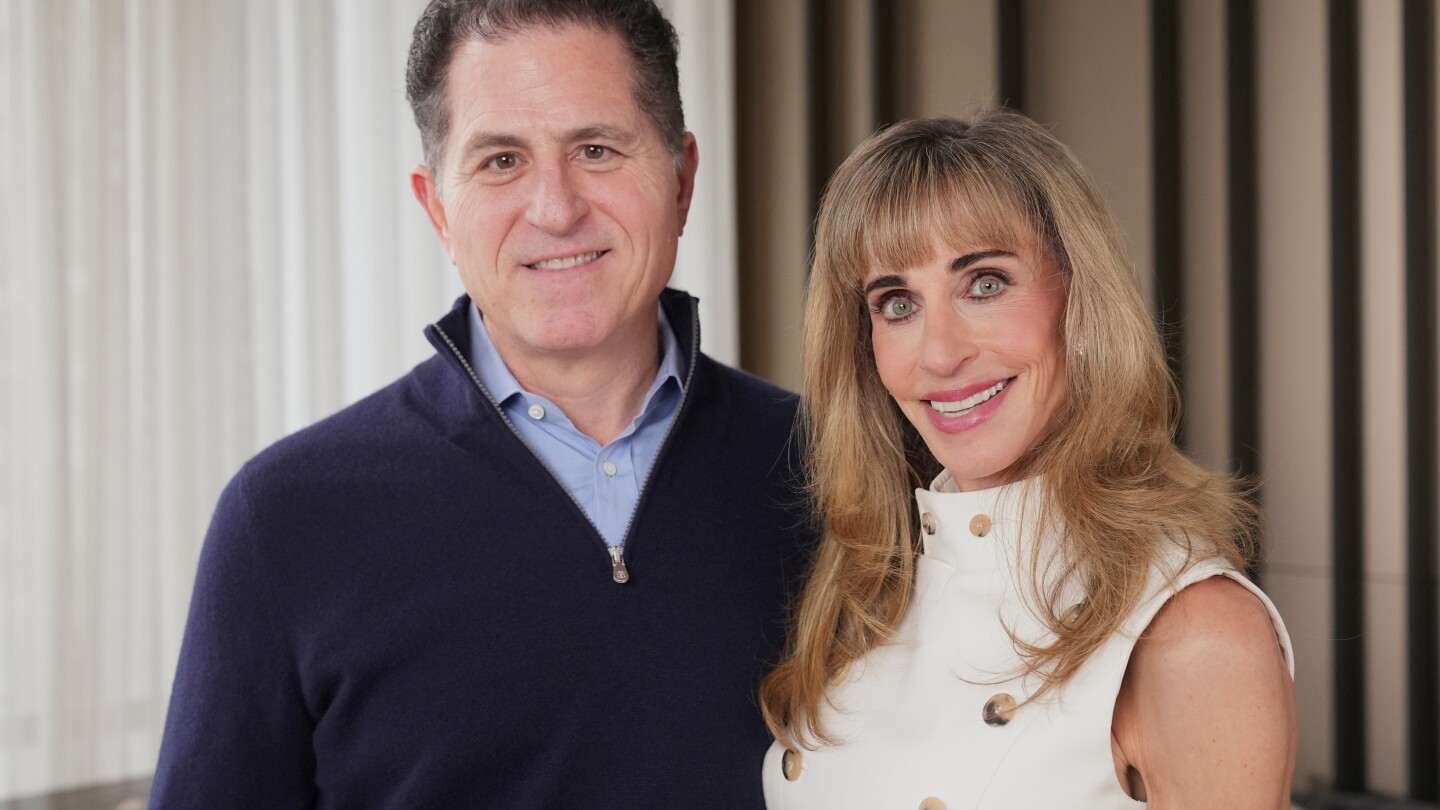
Billionaires Michael and Susan Dell have pledged $6.25 billion to provide investment incentives for 25 million American children under age 10, marking one of the largest private charitable commitments in recent history. The announcement, made on GivingTuesday, aims to jumpstart participation in the newly established “Trump Accounts” investment program for children, which was created through President Donald Trump’s recent tax and spending legislation.
The unprecedented donation is believed to be the largest single private commitment ever made to U.S. children, with few charitable gifts in the past quarter-century exceeding even $1 billion.
“We believe that if every child can see a future worth saving for, this program will build something far greater than an account. It will build hope and opportunity and prosperity for generations to come,” said Michael Dell, founder and CEO of Dell Technologies, whose current net worth is estimated at $148 billion according to Forbes.
Through their foundation, the Dells will deposit $250 into each qualified child’s investment account when the Treasury Department launches the program on July 4, 2026 – a date chosen to commemorate America’s 250th anniversary. The couple’s contribution will focus on children living in ZIP codes with median family incomes of $150,000 or less.
“We want these kids to know that not only do their families care, but their communities care, their government, their country cares about them,” Susan Dell explained. “And we’re all rooting for them to have a wonderful future, a bright future, and that that’s available to them.”
Under the new legislation, the Treasury will automatically deposit $1,000 into accounts for children born between January 1, 2025, and December 31, 2028. These funds must be invested in index funds that track the broader stock market. For children born outside this window, families will need to establish and fund the accounts themselves. When account holders turn 18, they can withdraw funds for education, homebuying, or business startup purposes.
The Dells hope their initial contribution will encourage families to claim these accounts and make additional deposits, even in small amounts, allowing the investments to grow over time with the stock market. They also aim to inspire other philanthropists and companies to contribute to these accounts.
Brad Gerstner, a venture capitalist who advocated for the program and founded the Invest America Charitable Foundation supporting its implementation, highlighted the unique efficiency of this approach: “It’s hard to give effective dollars away at scale, particularly to the country’s neediest kids in a way that you have confidence that those dollars are going to compound with the upside of the U.S. economy.”
The program addresses a significant wealth gap in American society. While approximately 58% of U.S. households held stocks or bonds in 2022 according to the SEC, the wealthiest 1% owned nearly half of all stock value, while the bottom 50% owned just 1%. By creating pathways for more young Americans to benefit from market growth, supporters believe the initiative can help democratize capitalism.
“Fundamentally, we need to include everybody in the upside of the American experiment. Otherwise, it won’t last,” Gerstner said.
Critics note that while the Trump Accounts may benefit young adults whose families or employers can contribute over time, they won’t immediately address childhood poverty, which affects about 13% of U.S. children and youth. Some point out that other elements of the same spending package included cuts to Medicaid, food stamps, and child care that could negatively impact low-income families.
Ray Boshara, a senior policy advisor with the Aspen Institute and Washington University in St. Louis, sees the accounts as a promising beginning rather than a complete solution: “We would like to see this idea continue and get better over time, just like any big policy. The ACA, Social Security – they start off fairly flawed, but get much better and more progressive and inclusive over time.”
Through their foundation, the Dells have previously reported giving $2.9 billion since 1999, with a significant focus on education. While they hadn’t initially planned such a substantial commitment to the child investment accounts, they ultimately decided to increase their contribution.
“We’re thrilled to be spearheading this in the philanthropy sector and are so excited because we know that more people are going to jump on board because really, we can’t think of a better idea and better way to help America’s children,” Susan Dell said.
Fact Checker
Verify the accuracy of this article using The Disinformation Commission analysis and real-time sources.

8 Comments
This is a huge donation that could have a big impact on families and children’s futures. It will be interesting to see how the ‘Trump Accounts’ program is implemented and how effective it is at encouraging saving and investment.
While the scale of the Dells’ donation is impressive, I worry that the Trump Accounts program could become overly politicized and fail to deliver meaningful, equitable benefits to families and children.
While I’m skeptical of the political motivations behind this, the scale of the Dells’ donation is undeniably impressive. Providing financial incentives and education for children’s savings is a laudable goal, if done responsibly.
This is a fascinating development in the world of philanthropy and children’s financial education. I’m curious to see if the Trump Accounts program can live up to its ambitious goals and create lasting positive change.
The Trump Accounts program seems like an attempt to boost savings and investment, but I wonder about the long-term effects and whether it will truly benefit families, or mainly serve as a political talking point.
A $6.25 billion donation to support children’s savings accounts is a remarkable commitment. However, the political origins of the Trump Accounts program raise some concerns about its true purpose and long-term impacts.
That’s a fair point. The political context behind this program will be important to monitor as it rolls out.
Encouraging savings and investment for children is a laudable goal, but I’m concerned that the Trump Accounts program may be more about political branding than substantive financial education and support.