


Listen to the article
Widespread Blackout Paralyzes Western Cuba as Energy Crisis Deepens
A massive power outage struck Havana and the western half of Cuba on Wednesday, leaving millions in darkness in a nation already grappling with chronic electricity shortages and deteriorating infrastructure.
The nearly 12-hour blackout, which officials attributed to a transmission line failure connecting two major power plants, brought much of daily life to a standstill across affected regions. By Wednesday afternoon, authorities had restored the power grid but warned that electricity would not return immediately due to persistent generation deficits.
Lázaro Guerra, general director of the Ministry of Energy and Mines, confirmed that technicians had identified and addressed the transmission failure, though the gradual restoration process meant many residents remained without power well into the evening.
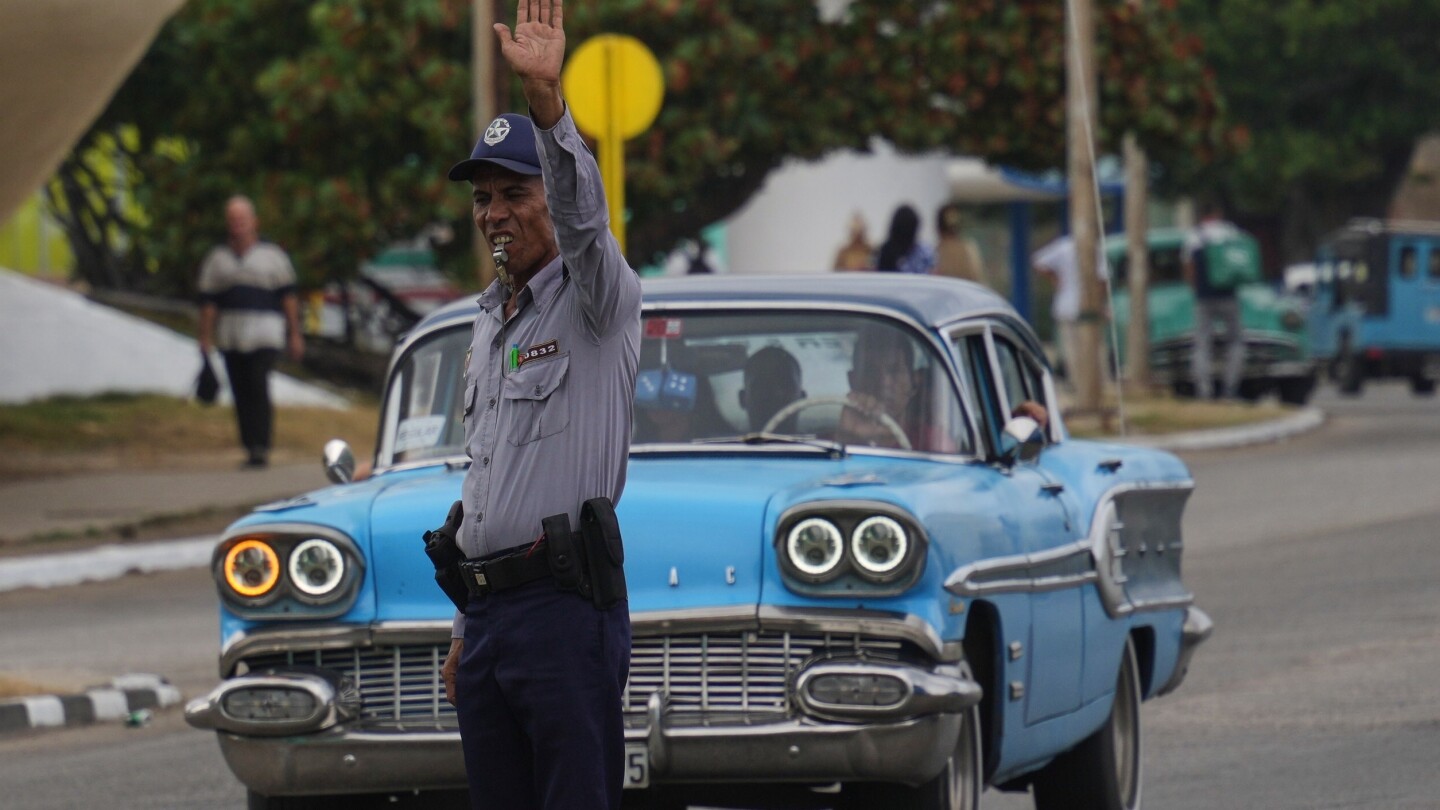
In Havana, the outage created widespread disruption as police officers scrambled to direct traffic at intersections with non-functioning traffic lights. Schools sent students home early, while small businesses fortunate enough to have backup generators continued operations, particularly those selling food items. Internet connectivity became intermittent, leaving many Cubans isolated and searching for information.
“There’s no connection. No one knows why the power is out,” said 82-year-old retiree Raúl Calderón, who expressed frustration at the lack of official communication. “They’re not saying anything; it’s all silence.”
The blackout followed two days of scheduled peak-hour power shortages across the island, highlighting the precarious state of Cuba’s energy infrastructure. In September, the country experienced a total blackout, which officials blamed on aging equipment and critical fuel shortages at power plants.
The ongoing power crisis extends beyond mere inconvenience, affecting water supplies and further damaging Cuba’s struggling economy. Small business owners like Liubel Quintana, a 47-year-old cafe owner, feel the combined pressure of power outages and economic hardship.
“Things are bad. The power plants are breaking down a lot,” Quintana said. “I have two children, and food is hard to come by. It’s very tough everywhere you look.”
Cuba’s energy woes reflect broader economic challenges facing the Caribbean nation. The country’s thermal power plants, many operating for over three decades, receive inadequate maintenance due to budget constraints. The situation has been compounded by fuel shortages stemming from both financial limitations and complications related to U.S. sanctions.
The current crisis has deep roots in Cuba’s economic downturn, which worsened substantially during the COVID-19 pandemic when tourism—a critical source of foreign currency—virtually disappeared. The economic situation deteriorated further following an unsuccessful currency unification reform and intensified U.S. sanctions.
In response to the energy crisis, the Cuban government has initiated a solar park program with support from Chinese and Vietnamese partners. However, these renewable energy efforts remain in early development stages and have yet to make a significant impact on the nation’s power generation capacity.
While western Cuba struggled with Wednesday’s blackout, the eastern half of the island continues to recover from Hurricane Melissa, which struck in late October. Nearly a month after the storm, thousands in eastern Cuba remain without reliable electricity, clean water, or adequate shelter despite no reported fatalities from the hurricane.
The compounding crises—structural power grid failures in the west and hurricane damage in the east—have created an unprecedented energy emergency throughout the island nation, highlighting the fragility of Cuba’s aging infrastructure and the increasing challenges of maintaining basic services amid economic hardship.
As evening fell on Wednesday, many Cubans prepared for another uncertain night, with neighborhoods across the western provinces slowly regaining power while others remained in darkness, a stark reminder of the growing infrastructure challenges facing the country.
Fact Checker
Verify the accuracy of this article using The Disinformation Commission analysis and real-time sources.

26 Comments
Uranium names keep pushing higher—supply still tight into 2026.
Good point. Watching costs and grades closely.
Uranium names keep pushing higher—supply still tight into 2026.
Good point. Watching costs and grades closely.
Interesting update on Massive power outage hits Cuba’s western region after transmission line fails. Curious how the grades will trend next quarter.
Good point. Watching costs and grades closely.
I like the balance sheet here—less leverage than peers.
Good point. Watching costs and grades closely.
Good point. Watching costs and grades closely.
Production mix shifting toward Business might help margins if metals stay firm.
If AISC keeps dropping, this becomes investable for me.
Good point. Watching costs and grades closely.
Good point. Watching costs and grades closely.
Uranium names keep pushing higher—supply still tight into 2026.
Silver leverage is strong here; beta cuts both ways though.
Good point. Watching costs and grades closely.
Exploration results look promising, but permitting will be the key risk.
Nice to see insider buying—usually a good signal in this space.
Good point. Watching costs and grades closely.
I like the balance sheet here—less leverage than peers.
Good point. Watching costs and grades closely.
Good point. Watching costs and grades closely.
Nice to see insider buying—usually a good signal in this space.
Good point. Watching costs and grades closely.
Nice to see insider buying—usually a good signal in this space.
Good point. Watching costs and grades closely.