


Listen to the article
Lebanon and Cyprus finalized a landmark sea border agreement on Wednesday, resolving a nearly two-decade impasse that had hampered oil and gas exploration in the eastern Mediterranean. The deal comes at a critical time as Europe seeks to diversify its energy sources away from Russian supplies.
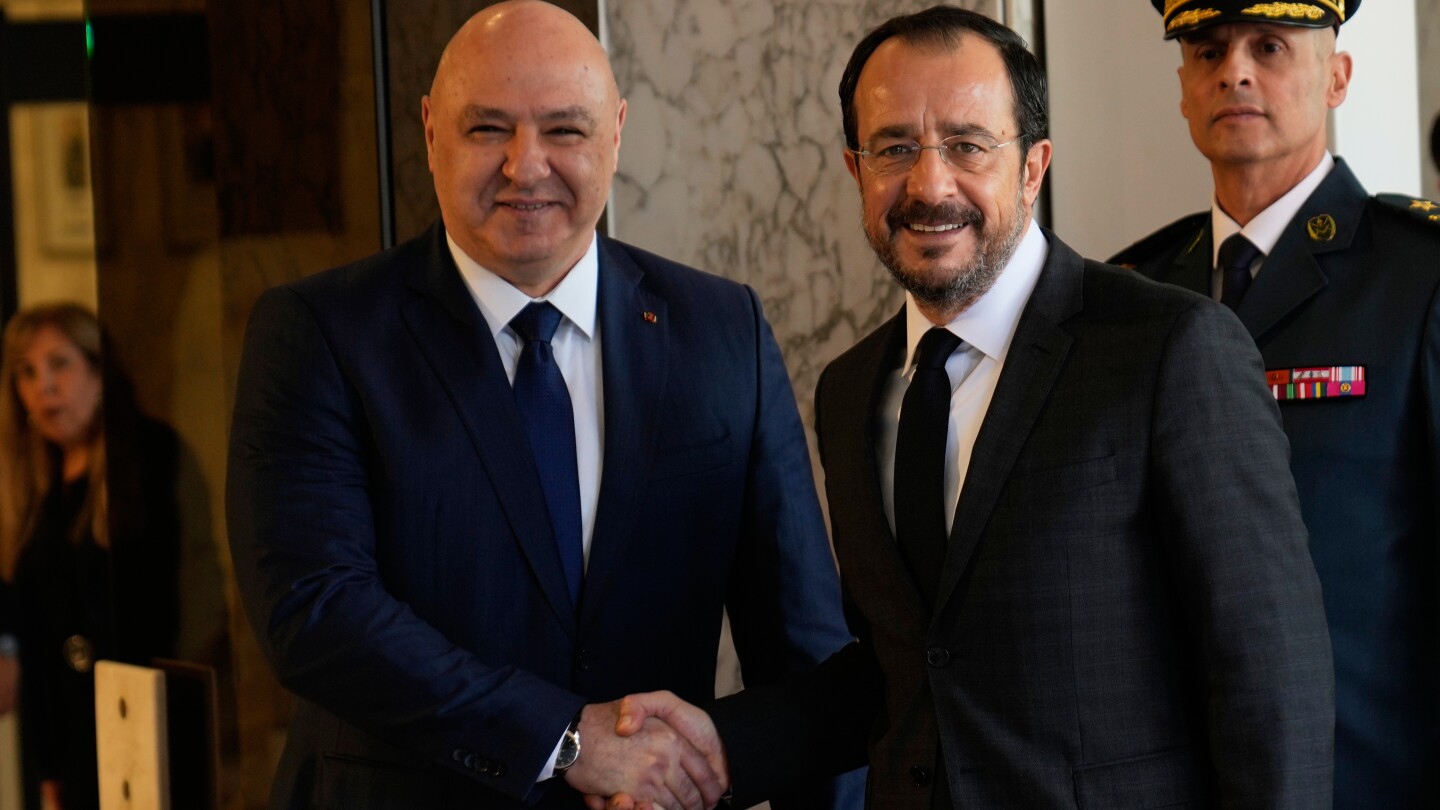
The agreement was signed by Lebanese President Joseph Aoun and Cypriot President Nikos Christodoulides at the Baabda presidential palace near Beirut. During a joint press conference, Christodoulides described it as a “historic agreement,” while Aoun characterized the signing as “a clear invitation” to potential partners interested in cooperating with Lebanon.
The origins of the agreement date back to 2007 when both nations initially outlined maritime boundaries. While Cyprus promptly ratified the deal, Lebanon withheld approval due to its unresolved maritime border dispute with Israel and internal political turbulence. Despite Cyprus offering to mediate in 2012, a breakthrough remained elusive until 2022, when Lebanon and Israel reached their own maritime border agreement through U.S. mediation.
For Lebanon, the agreement represents a potential economic lifeline. The country has been mired in a devastating economic crisis for years, with its currency losing over 95 percent of its value and widespread shortages of basic necessities. Lebanese officials hope that offshore gas exploration could generate much-needed revenue and help stabilize the struggling economy.
“This agreement opens the door to potential energy resources that could transform Lebanon’s economic outlook,” said a regional energy analyst who requested anonymity. “However, development will take time, and Lebanon still faces significant challenges in attracting investment given its political instability.”
Cyprus stands to benefit substantially from the agreement as well. European nations have been scrambling to reduce their dependence on Russian gas following Moscow’s invasion of Ukraine in 2022. Christodoulides recently announced that some of the estimated 20 trillion cubic feet of gas discovered off Cyprus could reach European markets as early as 2027.
The delay in finalizing the agreement had prevented Cyprus from expanding its hydrocarbon exploration, particularly in areas adjacent to Lebanese waters. With the maritime boundary now clearly defined, both countries can proceed with exploration and development activities in their respective territories.
The eastern Mediterranean has emerged as an increasingly important energy hub in recent years. Significant gas discoveries off Israel, Egypt, and Cyprus have attracted international energy companies and heightened geopolitical interest in the region. The European Union has been particularly focused on developing eastern Mediterranean gas as part of its strategy to diversify away from Russian energy.
Lebanon still faces other maritime challenges, notably the absence of a border agreement with neighboring Syria, which is experiencing its own political upheaval following a recent rebel offensive that displaced President Bashar Assad. Additionally, Lebanon continues to grapple with near-daily Israeli strikes on its southern regions despite a fragile ceasefire that has been in place for nearly a year.
The country’s economic revival efforts also face obstacles from strained relations with Saudi Arabia and other Gulf states, which have expressed frustration with the influence of Hezbollah, the Iran-backed militant group and political party that maintains significant power in Lebanon.
Energy experts note that while the agreement marks an important diplomatic milestone, actual development of resources will require significant investment, technological expertise, and political stability—all of which present challenges for Lebanon in its current state.
Nevertheless, the agreement represents a rare moment of diplomatic progress in a region often characterized by entrenched disputes and conflicts, potentially opening new opportunities for economic cooperation in the eastern Mediterranean.
Fact Checker
Verify the accuracy of this article using The Disinformation Commission analysis and real-time sources.

20 Comments
The finalization of this agreement is a significant milestone, especially given the complex geopolitical dynamics in the Eastern Mediterranean. It will be interesting to see how it impacts the energy landscape in the region.
Agreed. With the potential for new offshore exploration and development opportunities, this could be a game-changer for both Lebanon and Cyprus, as well as the broader regional energy landscape.
This seems like a pragmatic agreement that addresses the needs of both Lebanon and Cyprus. It will be interesting to see if it helps attract more foreign investment and expertise to the region’s energy sector.
Absolutely. Resolving this dispute could be a game-changer, especially for Lebanon, which has been struggling economically. Access to potential offshore resources could provide a much-needed boost.
It’s encouraging to see Lebanon and Cyprus finally reach an agreement on their maritime border after nearly 20 years of impasse. This should provide more certainty for potential energy companies looking to operate in the area.
Yes, the timing is crucial as Europe tries to reduce its reliance on Russian energy. This deal could help open up new opportunities for exploration and development in the region.
The resolution of this long-standing dispute is a positive step for the energy landscape in the Eastern Mediterranean. I’m curious to see how this agreement will impact future exploration and production activities in the area.
A good question. With the maritime border now defined, it should make it easier for energy companies to navigate the regulatory environment and potentially accelerate project timelines.
The resolution of the Lebanon-Cyprus maritime border dispute is a positive step towards a more stable and collaborative energy landscape in the Eastern Mediterranean region. It will be interesting to see how this plays out in terms of future exploration and development activities.
Absolutely. With the agreement in place, energy companies may be more inclined to invest in the area, potentially leading to new discoveries and production that could benefit the local economies.
This is a significant development that could have far-reaching implications for the energy sector in the Eastern Mediterranean. It will be crucial to monitor how this agreement is implemented and how it impacts future energy projects in the region.
That’s a good point. The details and practical application of this agreement will be key to understanding its true impact on the energy landscape in the Eastern Mediterranean.
This is an important development, particularly for Lebanon, which has been struggling economically. Access to potential offshore energy resources could provide a much-needed boost to the country’s economy.
That’s a good point. For Lebanon, this agreement could be a crucial lifeline, as the country seeks to diversify its energy sources and attract foreign investment.
This is an important development for energy exploration in the Eastern Mediterranean. The resolution of the long-standing dispute between Lebanon and Cyprus could open the door for more oil and gas investments in the region.
Agreed. With Europe seeking to diversify its energy sources, this deal could be timely and beneficial for all parties involved.
While the details of the agreement are still emerging, this appears to be a positive development for the Eastern Mediterranean’s energy landscape. The timing is certainly opportune given Europe’s efforts to diversify its energy supply.
Agreed. With the ongoing geopolitical tensions, having a more stable regulatory environment for energy operations in the region could be beneficial for all stakeholders involved.
It’s encouraging to see Lebanon and Cyprus put aside their differences and reach a compromise on the maritime border issue. This could pave the way for more collaborative efforts in the energy sector going forward.
Absolutely. Resolving long-standing disputes like this can create a more conducive environment for foreign investment and regional cooperation on energy projects.