


Listen to the article
Japan’s cabinet has approved a substantial economic stimulus package worth 21.3 trillion yen ($135.4 billion) aimed at revitalizing the country’s economy through increased government spending and alleviating the impact of rising prices on consumers.
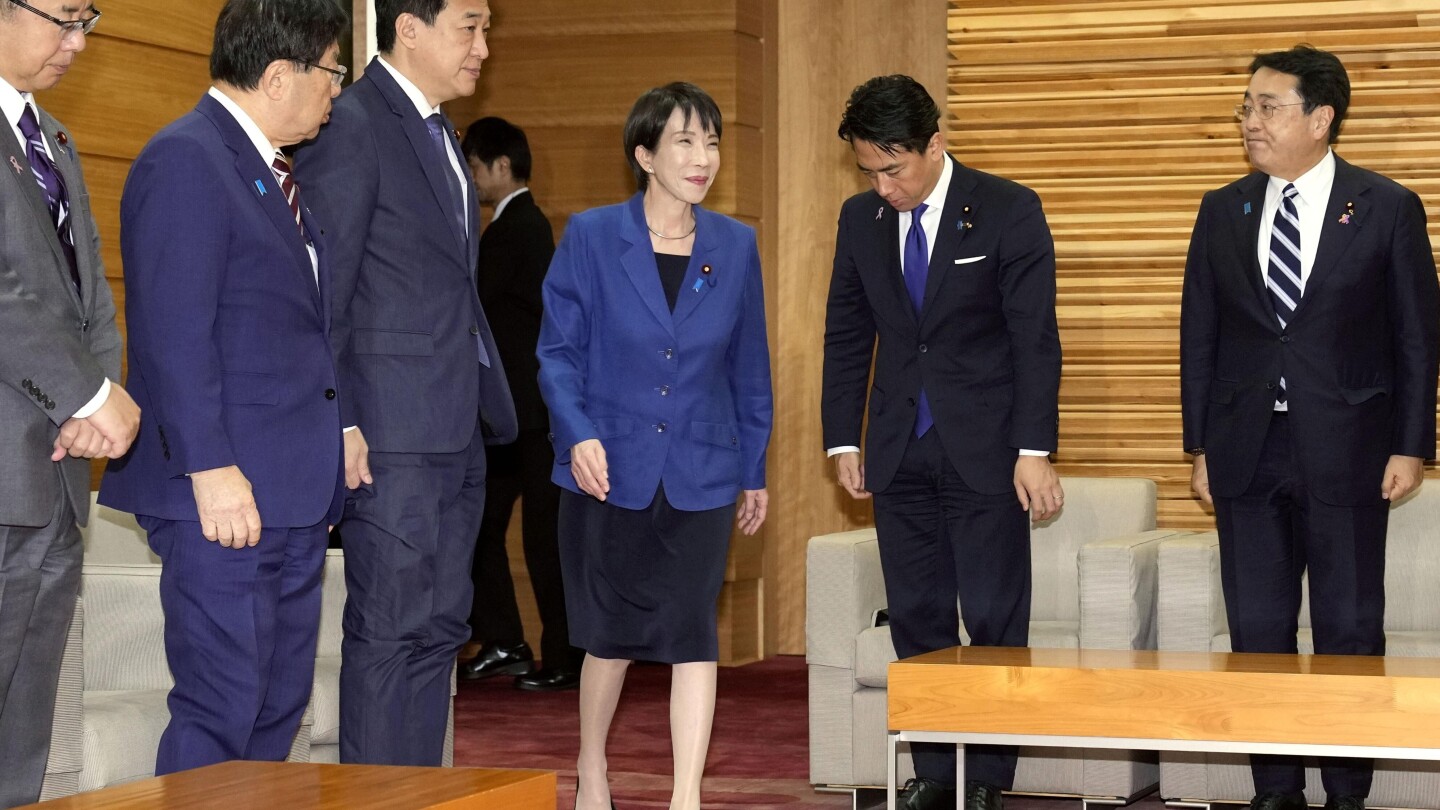
Prime Minister Sanae Takaichi, who took office just last month, has prioritized expansionary fiscal policy despite widespread concerns about Japan’s massive national debt, which currently stands at approximately three times the size of its economy. The stimulus package represents a significant departure from pre-pandemic spending levels.
“Through wise spending, we will change worries into hope and achieve a strong economy,” Takaichi told reporters, defending her administration’s approach. “What we should do now is to strengthen the national power through expansionary spending, through wise spending, and not to cause harm through excessively contractionary policies.”
The ambitious economic plan comes at a challenging time for Japan. The country’s exports to the United States have fallen for seven consecutive months, according to government data released Friday. The stimulus is designed in part to cushion Japanese exporters from the impact of higher U.S. tariffs expected under the returning Trump administration. Despite the American downturn, Japan’s overall exports rose 3.7% in October, supported by stronger demand from Asian markets.
Financial markets have responded negatively in recent days, with investors selling off Japanese government bonds and pushing yields higher. The Japanese yen has also weakened, approaching its lowest levels of the year. The benchmark Nikkei 225 index dropped 2.4% on Friday, primarily due to a selloff in technology stocks.
Diplomatic tensions have further complicated the economic landscape. Recent comments by Takaichi angered Beijing, prompting retaliatory measures from China, including an advisory warning Chinese tourists and students against traveling to Japan. This development threatens to impact Japan’s tourism sector, which has been a bright spot in the post-pandemic recovery.
The stimulus package includes several direct measures to help Japanese consumers cope with inflation. Among these are subsidies for energy costs, a reduction in the gasoline tax, and one-time cash handouts of 20,000 yen (approximately $130) per child, requiring about 400 billion yen ($2.6 billion) in government funding. Additionally, the plan includes rice vouchers or other coupons worth 3,000 yen (about $20) per person, to be distributed through local authorities.
Japan’s inflation remains stubbornly high, with core inflation excluding volatile food costs reaching 3% in October, exceeding the central bank’s target of around 2%. This persistent price pressure has squeezed household budgets and contributed to political instability, including the short tenure of Takaichi’s predecessor, Shigeru Ishiba.
To implement the stimulus package, Takaichi’s administration must compile a supplementary budget and secure parliamentary approval by year-end. This presents a significant challenge as her ruling coalition lacks a majority in both houses of the Diet. As Japan’s first female prime minister, Takaichi has enjoyed strong initial public support, largely due to expectations that she might bring fresh perspectives to Japan’s traditionally male-dominated political landscape.
However, opposition lawmakers and economic experts have questioned whether the package will effectively achieve its stated goals. The measures aimed at reducing consumer prices through energy cost cuts are expected to have only a transient effect, as increased demand generated by other stimulus elements would likely push prices higher over time.
According to Cabinet Office projections, the package is intended to boost Japan’s gross domestic product by 24 trillion yen ($155 billion), representing an annualized growth rate of 1.4%. This growth target comes after Japan’s economy, the world’s fourth largest, contracted at a 1.8% annual pace in the July-September quarter.
The coming weeks will be crucial for Takaichi’s administration as it navigates the political challenges of implementing this ambitious economic program while addressing structural issues in Japan’s economy.
Fact Checker
Verify the accuracy of this article using The Disinformation Commission analysis and real-time sources.

9 Comments
Interesting to see Japan taking aggressive fiscal measures to boost its sluggish economy. Increased government spending and support for consumers could help offset headwinds like declining exports. It will be important to balance this stimulus with managing the country’s substantial debt levels.
Agreed, Japan’s massive public debt is a major concern. The stimulus package will need to be carefully implemented to provide meaningful economic support without further exacerbating fiscal imbalances.
This $135 billion stimulus package represents a significant shift in Japan’s economic policy approach. Curious to see if it can provide a meaningful boost to consumer spending and business investment despite persistent global headwinds.
With Japan’s exports to the US declining for 7 straight months, this stimulus package could provide a much-needed boost. Increased government spending on infrastructure and consumer support may help offset external headwinds.
That’s a good observation. Shoring up domestic demand could be a smart strategy if export markets remain weak. Curious to see how the stimulus is deployed and what the tangible economic outcomes are.
Japan’s new prime minister is certainly taking a bold approach with this $135 billion stimulus. Reviving domestic demand and shielding consumers from rising prices are worthy goals, but the sustainability of this spending remains to be seen.
You raise a fair point. The stimulus plan’s long-term impact and effect on Japan’s debt burden will be closely watched by investors and economists.
Japan’s massive national debt is certainly a concern with this stimulus plan. But the government seems intent on prioritizing economic growth over fiscal prudence in the short term. Will be interesting to see if this gambit pays off.
Agreed, the tradeoffs between stimulating the economy and managing debt levels will be critical. Japan’s policymakers are walking a fine line here.