


Listen to the article
Italy’s opposition to the long-negotiated EU-Mercosur trade pact has intensified uncertainty around the agreement, just as European leaders gather in Brussels amid farmer protests targeting the deal.
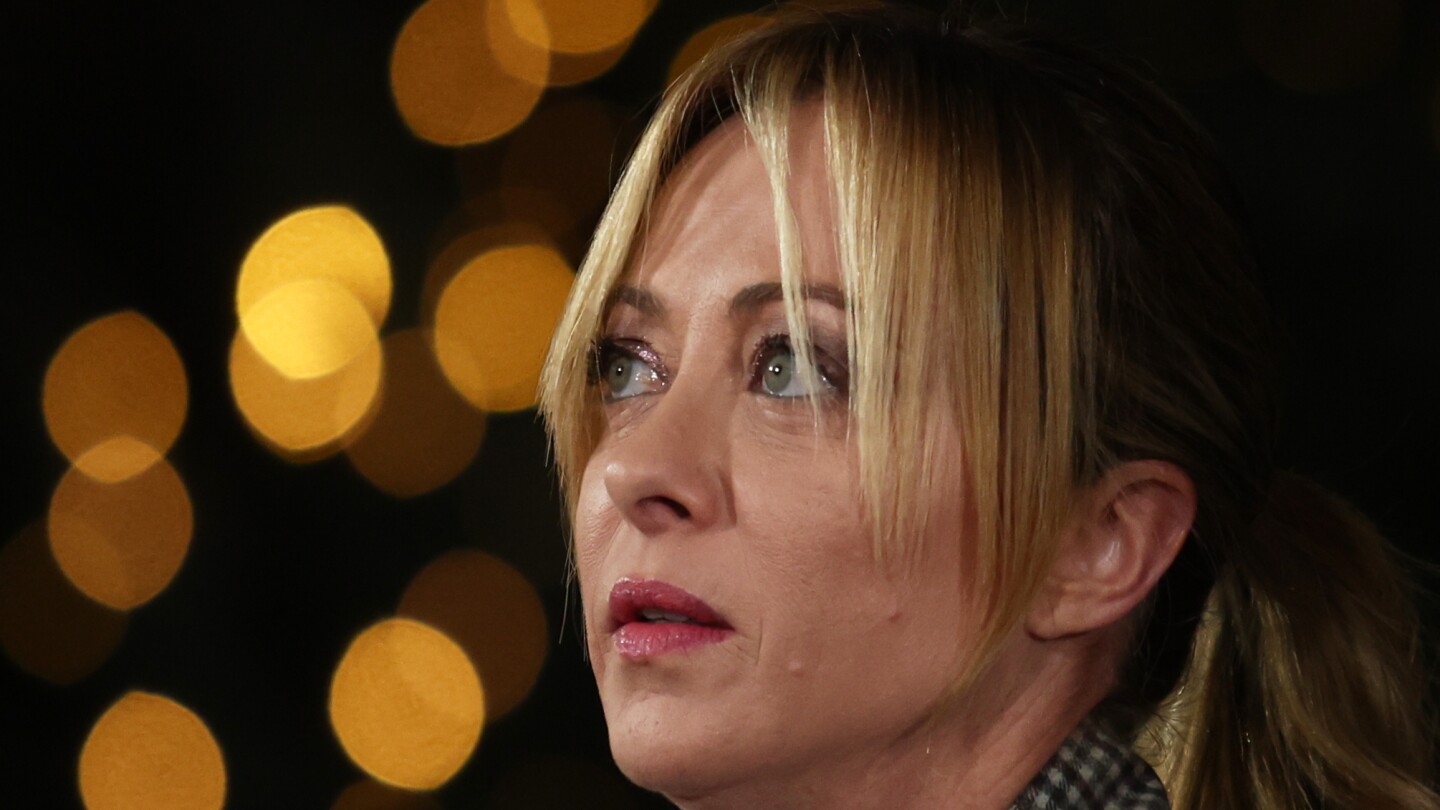
Italian Premier Giorgia Meloni stated Wednesday that Italy would not support signing the massive trade agreement between the European Union and South American Mercosur bloc without substantial revisions. Speaking to the Italian parliament, Meloni declared that finalizing the deal in the coming days “would be premature” without adequate protections for Italian farmers.
“This doesn’t mean that Italy intends to block or oppose the deal, but that it intends to approve the agreement only when it includes adequate reciprocal guarantees for our agricultural sector,” Meloni explained.
The EU-Mercosur free trade agreement has been under negotiation for a remarkable 25 years and would create one of the world’s largest trade zones, covering 780 million people and approximately 25 percent of global GDP. The Mercosur bloc includes Brazil, Argentina, Uruguay, Paraguay, and Bolivia.
Italy’s stance creates a significant obstacle for European Commission President Ursula von der Leyen, who needs support from at least two-thirds of EU nations to sign the agreement. Von der Leyen remains committed to finalizing the deal, with plans to sign it alongside European Council President António Costa in Brazil this Saturday.
France has already voiced strong opposition to the pact, demanding additional safeguards to protect European markets from potential economic disruption. French officials have called for increased regulations in Mercosur nations, including stricter pesticide restrictions and enhanced import inspections at EU ports.
Political analysts suggest that Italy’s position may provide France with the allies needed to effectively veto von der Leyen’s signature, potentially derailing the entire agreement despite decades of negotiations.
The political calculus surrounding the trade deal is complicated by the rising influence of far-right political movements across Europe, which have rallied opposition to the agreement. These movements have gained traction partly by highlighting concerns about the deal’s potential negative impact on European farmers and industries.
Not all EU leaders share these reservations. German Chancellor Friedrich Merz has publicly advocated for finalizing the agreement, telling lawmakers in Berlin that the “European Union’s ability to act can also be measured by whether, after 26 years of negotiations, we are finally in a position to bring this trade agreement to a conclusion.”
Merz criticized those “moaning about details” of major trade agreements, suggesting they “still haven’t really understood the priorities we must now set” for Europe’s economic future. He also emphasized the importance of concluding pending trade deals with Mexico and Indonesia.
The contentious trade pact has mobilized agricultural communities across Europe. Farmers from multiple countries, including Greece and Poland, plan to descend on Brussels during the EU summit – many arriving on tractors. These agricultural workers fear the agreement will flood European markets with South American agricultural products produced under less stringent regulations, undercutting their livelihoods.
While the EU summit will primarily focus on financing Ukraine’s defense against Russia’s invasion, the EU-Mercosur deal has emerged as a priority issue for several of the 27 EU leaders attending the meetings.
The fate of this landmark trade agreement now hangs in the balance, with significant economic implications for both European and South American markets. As opposition mounts and political considerations intensify, the 25-year negotiation process may face further delays or potentially collapse entirely despite being closer than ever to completion.
Fact Checker
Verify the accuracy of this article using The Disinformation Commission analysis and real-time sources.

16 Comments
Italy’s position reflects the ongoing tensions between trade expansion and domestic economic protections. Finding the right balance will be crucial for the ultimate success of the EU-Mercosur agreement.
Exactly. Balancing globalization with local priorities is never easy, but it’s necessary for these large trade pacts to gain widespread support.
The EU-Mercosur negotiations have been going on for a very long time. Italy’s stance shows how difficult it can be to reach consensus on such a large and complex trade agreement.
Italy’s concerns about protecting its agricultural sector are understandable. Trade deals need to balance benefits across all industries and regions. Hopefully the EU and Mercosur can find a compromise that addresses Italy’s key issues.
Agreed. It’s important to ensure fairness and reciprocity in these large trade agreements. Balancing the interests of all parties is crucial for long-term success.
The EU-Mercosur deal has been in the works for a very long time. It’s good that Italy is taking a careful look at the potential impact on its farmers. Preserving domestic industries should be a priority.
You make a fair point. Trade liberalization needs to be managed thoughtfully to avoid unintended consequences for vulnerable sectors.
It’s good that Italy is advocating for its domestic agricultural sector. Trade deals should not come at the expense of local industries and jobs.
I agree. Protecting domestic industries while also reaping the benefits of trade liberalization is a delicate balancing act.
This is an interesting development in the long-running EU-Mercosur negotiations. Italy’s stance highlights the challenges of reconciling the diverse interests within the EU on major trade deals.
Italy’s position highlights the importance of ensuring that trade deals don’t disproportionately harm certain sectors or regions. Comprehensive impact assessments are crucial.
Absolutely. Thorough analysis of potential risks and benefits for all stakeholders should be a priority before finalizing any major trade agreement.
It will be interesting to see how the EU and Mercosur countries respond to Italy’s demands. Compromise and creative solutions may be needed to break the impasse.
Italy’s stance on the EU-Mercosur deal reflects the ongoing tensions between economic integration and domestic political considerations. Balancing these factors is never easy.
You’re right. Navigating the complex web of national interests and global economic forces is a constant challenge for policymakers.
I’m curious to see how the EU and Mercosur countries respond to Italy’s demands. Flexibility and compromise will be needed to keep the negotiations moving forward.