


Listen to the article
A strong year for initial public offerings on Wall Street has lost momentum due to the recent government shutdown and growing investor caution, pushing numerous planned market debuts into 2026.
The Securities and Exchange Commission now faces a backlog of hundreds of registration statements following the shutdown, creating delays for companies seeking to go public. Meanwhile, shares of businesses that have recently debuted have performed poorly as investors worry about overvalued stocks after another year of double-digit market gains.
“A backlogged SEC, the approaching holiday slowdown, and pressure on AI and other tech stocks are all weighing on hopes for a near-term rebound,” said Bill Smith, CEO of Renaissance Capital, in a note to investors.
Despite these challenges, several IPOs are still expected in the remaining weeks of the year, particularly those that had already progressed through most of the regulatory process before the shutdown. Central Bancompany, a holding company for The Central Trust Bank, recently raised $373 million from its IPO. However, November is tracking to be among the slowest months for IPOs in 2025, according to market data.
Wall Street analysts anticipate that medical supplies company Medline could go public in December with a potential $5 billion raise, while cryptocurrency technology firm BitGo remains another candidate for a year-end debut.
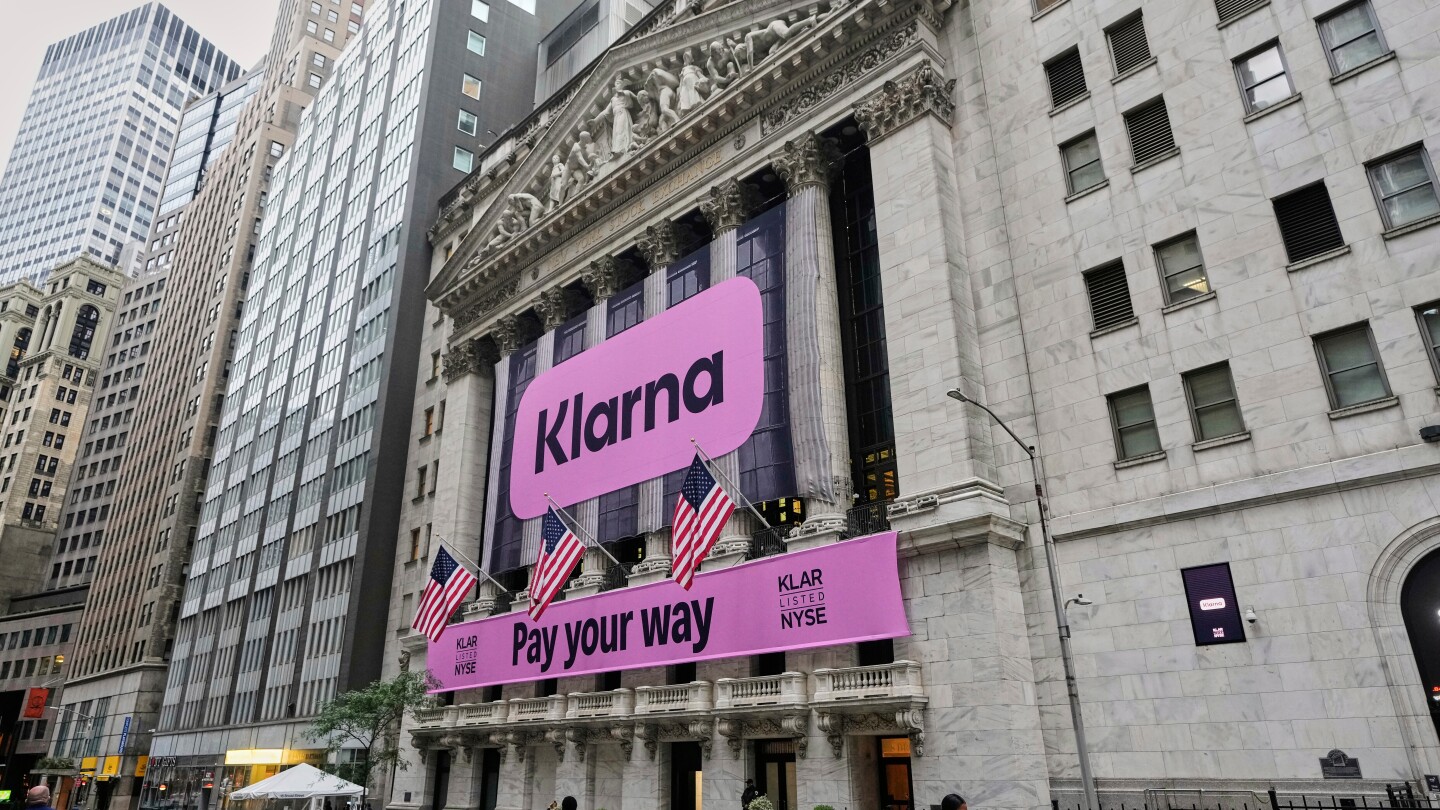
The market’s more cautious stance has hit recent IPOs particularly hard. Web design software company Figma, which more than tripled on its first day of trading after pricing at $33 per share in July, has now lost virtually all those gains. Swedish fintech Klarna, which priced its September IPO at $40 per share, is now trading around $29. Even cloud computing company CoreWeave, which initially saw strong performance after its March IPO at $40 per share, has pulled back significantly to about $72 despite still trading well above its offering price.
Software company Navan went public at $25 per share during the government shutdown but failed to gain traction and is now trading at approximately $15.
The broader market has reflected this cooling sentiment. The S&P 500 index is down 3.5% in November, with much of the decline concentrated in the technology sector that had previously surged on artificial intelligence enthusiasm. Investors are increasingly questioning whether these lofty valuations are justified, though the S&P 500 remains up more than 12% for the year while the tech-heavy Nasdaq has gained over 15%.
Renaissance Capital’s IPO Index tells a different story—down nearly 0.8% year-to-date as of Friday and underperforming the S&P 500 since mid-October.
“What that shows is that investors very quickly monetized, they didn’t want to take the long-term risk,” explained Samuel Kerr, head of global equity capital markets at Mergermarket.
Despite recent headwinds, the underlying demand for IPOs remains robust. The broader market’s relatively high valuations, especially in the influential technology sector, make IPOs attractive as potential entry points at lower prices.
“Increasingly, as a money manager, you have to find other places to make money and typically, IPOs are that place,” said David Kaufman, partner and co-chair of the corporate and securities practice at Thompson Coburn LLP. “You continue to have all these large mutual funds and money managers with excess cash and no place to put this cash.”
The market’s direction in 2026 will shape both the volume and types of IPOs in the coming year. High-profile tech companies potentially going public include AI-focused software company Databricks, graphic design platform Canva, and financial technology firm Plaid.
While visible IPO activity may appear subdued through year-end, behind-the-scenes preparations continue at a brisk pace.
“It’s a busy time for lawyers and bankers trying to tee things up for the first and second quarter of next year,” Kaufman noted, suggesting the IPO pipeline remains full despite current challenges.
Fact Checker
Verify the accuracy of this article using The Disinformation Commission analysis and real-time sources.

7 Comments
I’m curious to see how the November IPO activity compares to the rest of the year. The slowdown in this typically active period could be a sign of broader market uncertainty.
While the IPO market’s momentum has slowed, this could present opportunities for savvy investors to identify undervalued companies poised for growth. The key will be thorough due diligence.
The cooling of the IPO market due to the government shutdown and investor caution is an interesting development. It will be important to monitor how this impacts the pipeline of companies looking to go public and the performance of recent IPOs.
The cooling of the IPO market is a good reminder that market conditions can change quickly. Companies and investors will need to stay vigilant and adaptable in the face of these shifting dynamics.
It’s interesting to see the impact of macroeconomic factors, like the government shutdown, on the IPO pipeline. This underscores the importance of regulatory bodies and investor sentiment in shaping the public markets.
The backlog at the SEC is concerning, as it could delay market debuts for many companies. However, it’s good to see that some IPOs, like Central Bancompany, have still been able to move forward.
The challenges facing the IPO market, from tech stock pressures to the holiday slowdown, highlight the need for companies to carefully time their public debuts. Prudent planning will be key in this environment.