


Listen to the article
India Mandates Government Cybersecurity App on All New Smartphones
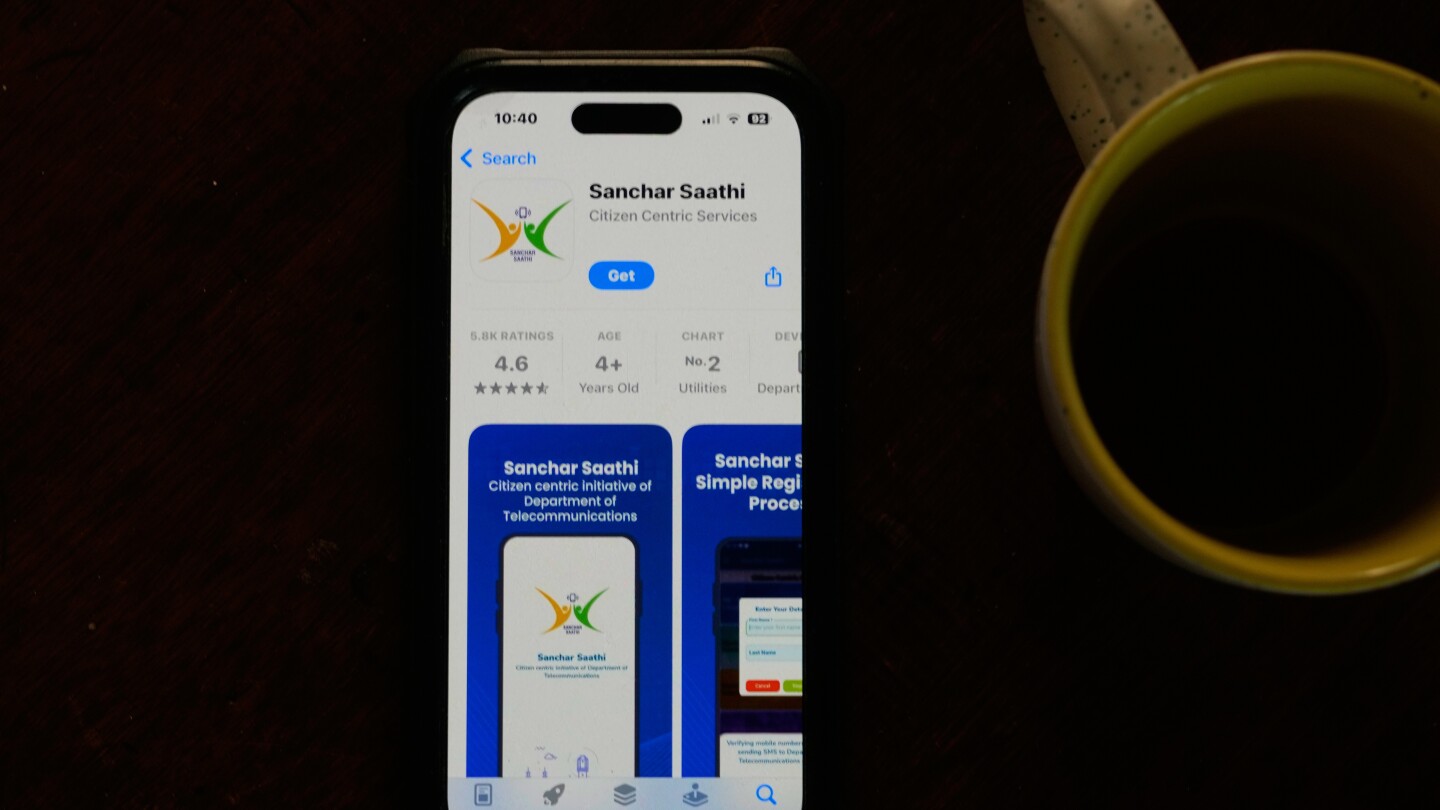
India’s telecommunications ministry has ordered smartphone manufacturers to pre-install the government-developed “Sanchar Saathi” cybersecurity application on all new devices within 90 days, sparking significant privacy concerns in one of the world’s largest mobile phone markets.
The directive, issued Monday by the Ministry of Communications, goes beyond simply requiring the app on new devices. Manufacturers must also ensure users cannot delete the application and must push it onto existing devices through software updates, effectively extending the mandate to millions of smartphones already in use.
Government officials justify the measure as necessary for “curbing misuse of telecom resources for cyber frauds and ensuring telecom cyber security” in a nation with approximately 1.2 billion smartphone users. The Sanchar Saathi app, launched in January, enables users to block and track lost or stolen phones and identify fraudulent mobile connections. According to government data, the application has been downloaded more than 5 million times and has helped recover over 700,000 lost devices.
However, digital rights advocates warn that the mandate represents a concerning precedent that could erode user privacy and autonomy.
“This is the beginning. It is government testing the waters,” said Nikhil Pahwa, a digital policy expert and founder of the tech website MediaNama. “Once a government app is forcibly pre-installed on our devices, what’s to stop them from pushing future apps that could be used for surveillance?”
Pahwa emphasized that the primary concern isn’t necessarily the current functionality of Sanchar Saathi but its potential for expansion, particularly the possibility of granting authorities greater ability to “access device status” without user consent.
“Phones are our personal spaces. We have a choice to have what we want on them. Here the government is taking away that choice,” he noted.
The directive is expected to face significant resistance from global smartphone manufacturers, particularly U.S.-based Apple, whose internal policies typically prohibit pre-installing third-party applications on its devices, including those developed by governments. This conflict sets the stage for a potential standoff between multinational technology companies and Indian regulators.
India’s move parallels similar actions by other governments seeking more control over mobile devices. In Russia, authorities have promoted the MAX messaging service, which must be pre-installed on all smartphones sold in the country. Critics characterize the Russian platform as a surveillance tool, pointing out that MAX openly acknowledges it will provide user data to officials upon request.
The Indian directive comes amid growing global debates about the balance between government access to digital tools for legitimate purposes like cybersecurity and the potential for overreach into personal privacy. India, with its rapidly expanding digital economy and massive smartphone user base, represents a particularly significant battleground for these issues.
For technology companies, the directive creates complicated compliance challenges. Many may find themselves caught between adherence to Indian regulations and their own corporate policies regarding user privacy and device control. The 90-day implementation timeline adds pressure to this already complex situation.
Industry observers note that this development is part of a broader trend of governments worldwide seeking greater regulatory control over digital spaces and devices, often citing security concerns as justification. How the Indian directive plays out could set important precedents for other markets globally.
As the implementation deadline approaches, both technology companies and privacy advocates will be closely monitoring developments, particularly any potential modifications to the directive or legal challenges that may emerge in response.
Fact Checker
Verify the accuracy of this article using The Disinformation Commission analysis and real-time sources.

8 Comments
While the goal of improving cybersecurity is laudable, this seems like a heavy-handed approach that infringes on user privacy and choice. I’m curious to learn more about the specific security features of the Sanchar Saathi app and how it will be implemented to balance public safety and individual rights.
Good point. The government will need to clearly communicate the app’s capabilities and data practices to build public trust. Involuntary installation raises a lot of red flags that they’ll need to address.
An interesting move by the Indian government, but one that seems to prioritize state control over individual privacy. I’m curious to learn more about the specific data and security practices of the Sanchar Saathi app and how it will be overseen to prevent misuse.
The Indian government’s directive to pre-install the Sanchar Saathi app raises valid concerns about privacy and data rights. Cybersecurity is crucial, but this approach seems heavy-handed and lacks sufficient transparency around how user information will be collected and protected.
Agreed. The government will need to demonstrate clear safeguards and oversight to convince the public that this app won’t be abused for surveillance or other nefarious purposes.
Mandatory pre-installation of a government app on all smartphones is a concerning development that merits close scrutiny. While cybersecurity is important, this policy appears to go too far in terms of state interference in personal digital devices and data.
This is a concerning development for privacy and data security in India. Mandating pre-installation of a government app on all smartphones is a significant overreach, even if the intent is to improve cybersecurity. I hope there are robust safeguards and transparency around how user data will be collected and used.
This is a troubling development that could set a dangerous precedent for government overreach on digital rights. While cybersecurity is important, mandating pre-installation of a state-developed app raises significant privacy concerns that need to be carefully examined.