


Listen to the article
In a strategic shift, housing authorities across Maine are expanding their roles to combat the state’s escalating housing crisis, purchasing properties and forming innovative partnerships to increase affordable housing stock.
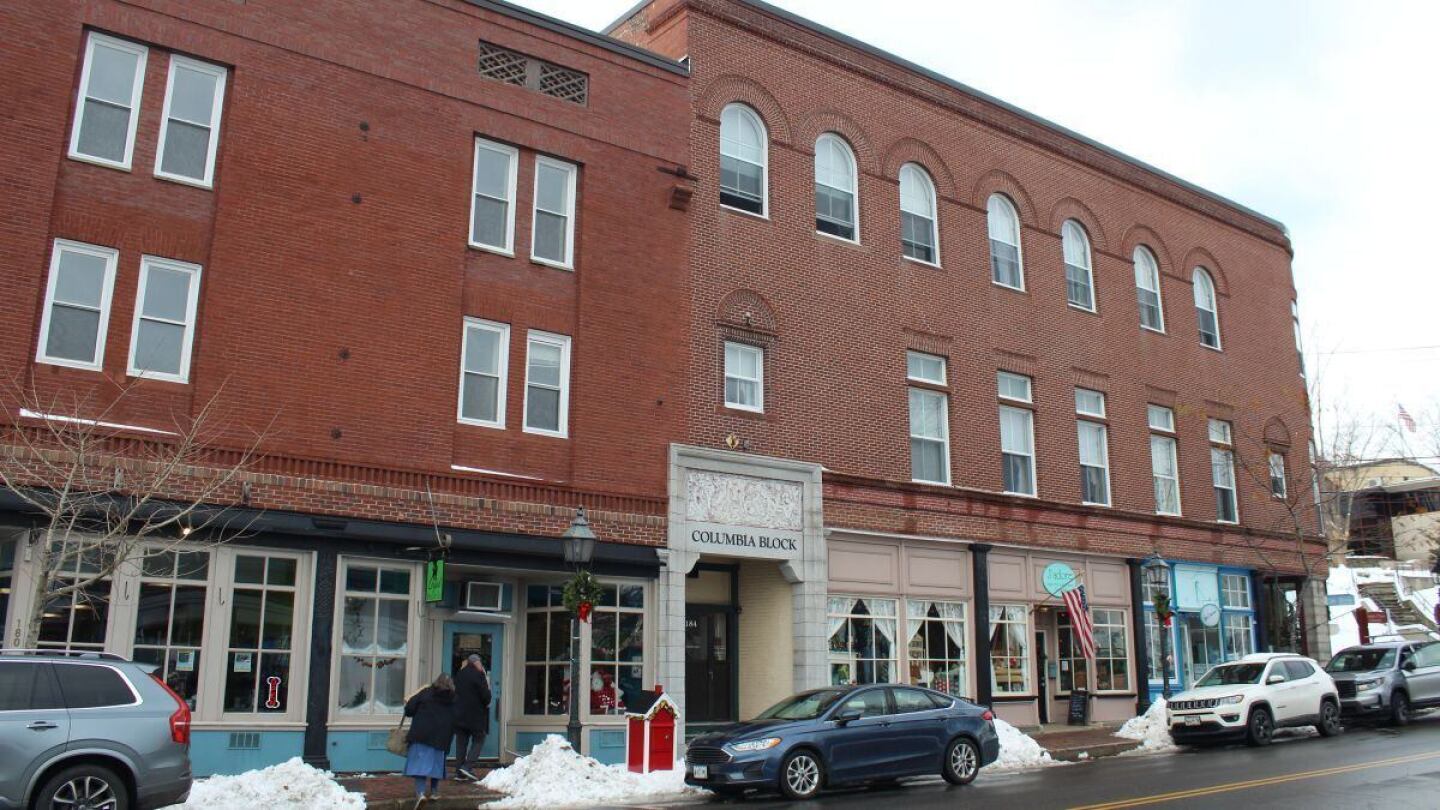
When a vacant church appeared on Congress Avenue in Bath a few years ago, Bath Housing Executive Director Debora Keller didn’t hesitate to purchase it, despite not having immediate development plans.
“We don’t know if we’ll develop it. We don’t know if we’ll find a partner, but we think it’s a good site for some type of housing,” Keller explained. “We want to be part of the visioning, the strategy of making that happen.”
This proactive approach represents a significant evolution in how housing authorities operate. Traditionally limited to managing voucher programs and public housing, these agencies are increasingly functioning as real estate developers and community partners in response to Maine’s severe housing shortage.
“It’s great to see housing authorities stepping forward to recognize how important it is for them to play a role and to use these new resources to develop in their communities,” said Liza Fleming-Ives, executive director of The Genesis Fund, which helps finance housing projects statewide.
A 2023 Maine Housing study highlighted the crisis’s severity, determining the state needs at least 76,000 new housing units by 2030 to address current shortages and accommodate projected growth. Since 2019, Governor Janet Mills’ administration has invested $315 million in housing, creating 2,100 new homes with another 1,800 under construction and 1,500 approved for financing.
Despite this progress, significant barriers remain. Construction costs continue to be the primary obstacle, with additional challenges including complex infrastructure connections, community opposition, and restrictive zoning regulations.
Housing authorities have positioned themselves to navigate these complex issues. In Bath, Keller’s organization engages directly with residents to understand community preferences, taps into specialized funding sources unavailable to for-profit developers, and leverages established relationships with municipal governments.
Similar initiatives are underway in Bangor, Biddeford, and South Portland, where housing authorities have ramped up production efforts in recent years.
Mike Myatt, Bangor Housing’s executive director, credits their success to investing in a dedicated real estate development team. “Once I finally figured out that was the missing piece, we’ve taken off like a rocket,” said Myatt.
Bangor Housing added 32 income-restricted units in 2023 and plans 130 more in coming years, addressing approximately a quarter of the city’s 700-unit shortage for low-income residents.
These agencies often collaborate with private developers like The Developers Collaborative, which has completed roughly 40 affordable housing projects across 16 Maine communities.
“The great thing about housing authorities is that they are firmly rooted in one town,” said Kevin Bunker, the collaborative’s founder. “They have that holy pulpit of ‘we are part of the community. We are you. We are your neighbor.’ If they leverage that, it’s very powerful.”
Learning from past setbacks has been crucial. In 2017, Bath Housing and The Szanton Company faced community opposition to a workforce housing proposal due to parking concerns. The experience prompted a strategic shift.
“As we started thinking about partnering with other developers and thinking about other projects, we went about it really differently,” Keller said, “making sure you’re really having conversations and listening to the people that will be impacted by the project early.”
This revised approach has yielded results. Bath Housing has since completed an 18-unit building and facilitated another 155 units scheduled for completion by 2027, targeting diverse income levels from low-income households to those earning slightly above the city’s median income.
The church property that Keller initially purchased without specific plans was later sold to Bath Iron Works and the Developer’s Collaborative, which are now constructing 84 housing units for shipyard employees. Bath Housing is simultaneously developing a 47-unit project and replacing an outdated senior living complex nearby.
Mathew Eddy, executive director of the Midcoast Council of Governments, believes Bath Housing’s collaborative approach provides a blueprint for smaller communities. “Bath is a really good example of a community that uses all of its resources to create the housing that they need,” Eddy said. “You cannot do these housing projects without having everybody engaged.”
The council is launching “Housing Forward,” a program designed with input from regional leaders including Keller, to help neighboring communities develop targeted housing strategies. The framework identifies three priorities—new construction, housing preservation, and inclusivity—with flexible implementation tools for communities to select based on their specific needs.
“The idea for this framework really came out of learning best practices from what is being done by creative housing authorities like the one in Bath,” said Alexis Mann, who oversees housing initiatives at the council. “There needs to be flexibility for communities to choose what pieces of this puzzle are right for them, with an understanding that those pieces fit within a larger framework.”
Fact Checker
Verify the accuracy of this article using The Disinformation Commission analysis and real-time sources.

25 Comments
I like the balance sheet here—less leverage than peers.
Good point. Watching costs and grades closely.
Good point. Watching costs and grades closely.
I like the balance sheet here—less leverage than peers.
Good point. Watching costs and grades closely.
Good point. Watching costs and grades closely.
Production mix shifting toward Business might help margins if metals stay firm.
Good point. Watching costs and grades closely.
Nice to see insider buying—usually a good signal in this space.
If AISC keeps dropping, this becomes investable for me.
Silver leverage is strong here; beta cuts both ways though.
Production mix shifting toward Business might help margins if metals stay firm.
Production mix shifting toward Business might help margins if metals stay firm.
Good point. Watching costs and grades closely.
Uranium names keep pushing higher—supply still tight into 2026.
Good point. Watching costs and grades closely.
Good point. Watching costs and grades closely.
I like the balance sheet here—less leverage than peers.
Production mix shifting toward Business might help margins if metals stay firm.
The cost guidance is better than expected. If they deliver, the stock could rerate.
Good point. Watching costs and grades closely.
Production mix shifting toward Business might help margins if metals stay firm.
Good point. Watching costs and grades closely.
Good point. Watching costs and grades closely.
Silver leverage is strong here; beta cuts both ways though.