


Listen to the article
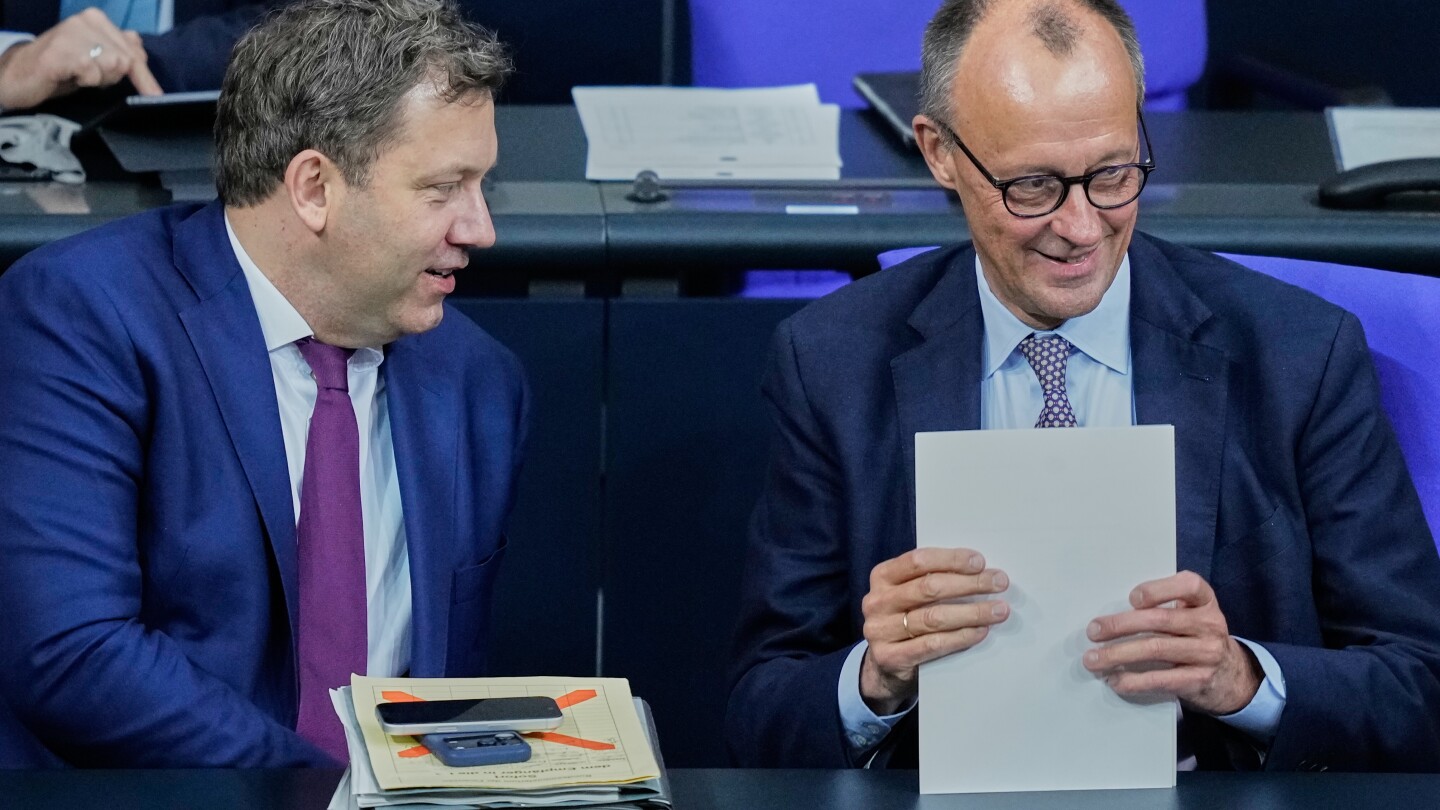
Germany’s parliament approved a contentious pension reform package on Friday, narrowly avoiding a government crisis after weeks of internal discord within Chancellor Friedrich Merz’s coalition.
The measure passed with 318 votes in favor, 224 against, and 53 abstentions, securing the support needed despite a rebellion from younger lawmakers in Merz’s center-right Union bloc. The legislation maintains state pensions at 48% of average wages until 2031, a provision that had become a flashpoint for internal opposition.
Eighteen young lawmakers from Merz’s party had expressed serious concerns about the post-2031 provisions that would maintain pension levels at a rate higher than under current law. The dissenters argued this could cost up to €15 billion ($17.5 billion) annually, creating an unsustainable financial burden for younger generations in Germany’s aging society.
The pension package represents a compromise between coalition partners, pairing the pension maintenance measure—a priority for the center-left Social Democrats—with conservative-backed tax incentives that make it easier for retirees to continue working. This balance reflects the delicate political maneuvering required in Germany’s current coalition government.
“This is not the end of our pension policy, but only the beginning,” Merz stated following the vote, acknowledging the broader demographic challenges facing the country. To address ongoing concerns, coalition leaders have committed to establishing a commission that will develop more comprehensive pension system reforms by mid-2026.
The chancellor deliberately pushed for approval by an absolute majority of parliament’s 630 lawmakers, a strategic move to demonstrate control over his coalition despite not being technically required for passage. In the final tally, seven lawmakers from his bloc voted against the measure, two abstained, and one did not vote—numbers that could have proven problematic had the vote been closer.
The pension debate highlights Germany’s growing demographic dilemma as its population ages, a challenge shared by many developed economies. With one of Europe’s oldest populations and declining birth rates, Germany faces increasing pressure on its social security systems. The country’s statutory pension scheme, which dates back to the 19th century under Chancellor Otto von Bismarck, remains a cornerstone of its social welfare system but requires modernization to remain sustainable.
This latest parliamentary test comes amid a difficult first seven months in office for Merz, who took over following the collapse of Olaf Scholz’s government last year. Despite pledging to avoid the infighting that plagued his predecessor, Merz has faced several political challenges, including requiring two rounds of voting to secure his position as chancellor in May and a public dispute in July over a judicial nomination.
Political analysts note that these internal conflicts have contributed to the government’s lackluster public approval ratings. Meanwhile, the far-right Alternative for Germany party has gained support since the February elections, capitalizing on public dissatisfaction with mainstream political leadership.
Germany’s economic context adds further complexity to the pension debate. As Europe’s largest economy contends with sluggish growth, high energy costs, and manufacturing challenges, balancing fiscal responsibility with social welfare commitments has become increasingly difficult.
Business leaders have expressed concern that the pension guarantees could further strain public finances at a time when Germany needs to invest in infrastructure, digitalization, and green technology to maintain its competitive edge. Labor unions, meanwhile, have defended the pension protections as essential for maintaining social cohesion and preventing elderly poverty.
Fact Checker
Verify the accuracy of this article using The Disinformation Commission analysis and real-time sources.

13 Comments
Production mix shifting toward Business might help margins if metals stay firm.
The cost guidance is better than expected. If they deliver, the stock could rerate.
Good point. Watching costs and grades closely.
Production mix shifting toward Business might help margins if metals stay firm.
The cost guidance is better than expected. If they deliver, the stock could rerate.
Good point. Watching costs and grades closely.
Good point. Watching costs and grades closely.
Exploration results look promising, but permitting will be the key risk.
Nice to see insider buying—usually a good signal in this space.
Good point. Watching costs and grades closely.
I like the balance sheet here—less leverage than peers.
Good point. Watching costs and grades closely.
Good point. Watching costs and grades closely.