


Listen to the article
UPS announced Wednesday that its fleet of McDonnell Douglas MD-11 aircraft will remain grounded throughout the peak holiday shipping season, a significant extension from the company’s initial timeline for returning the planes to service following a deadly crash earlier this month.
The cargo carrier revealed in an internal memo from UPS Airlines president Bill Moore that inspections and possible repairs of the fleet will take “several months” rather than the weeks originally anticipated. The company is working to meet Federal Aviation Administration guidelines before the planes can resume operations.
“Regarding the MD-11 fleet, Boeing’s ongoing evaluation shows that inspections and potential repairs will be more extensive than initially expected,” Moore wrote to employees.
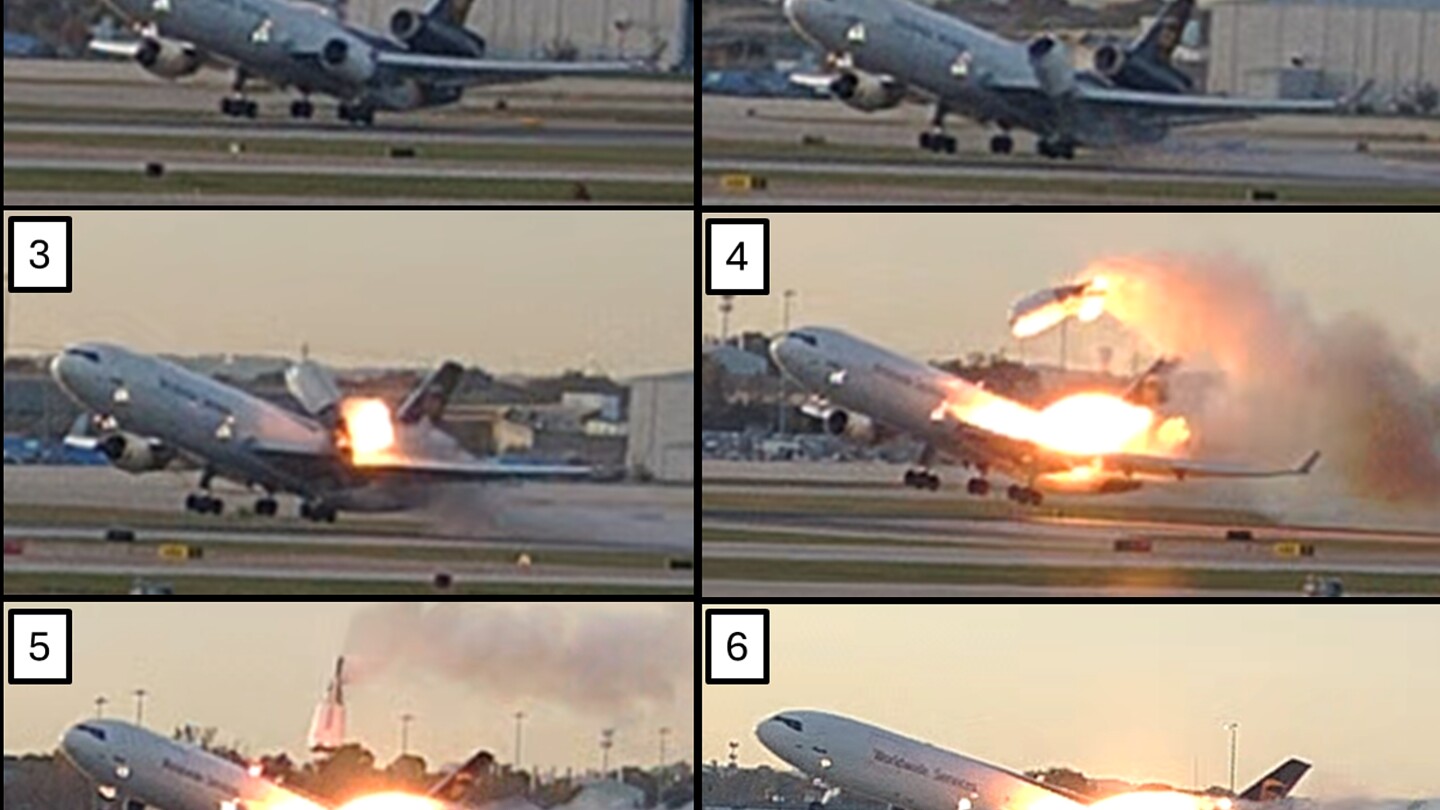
The extended grounding follows a catastrophic accident on November 4 in Louisville, Kentucky, where a UPS MD-11 suffered a left engine detachment during takeoff. The fiery crash killed 14 people and injured at least 23 others. In the aftermath, cargo carriers including UPS preemptively grounded their MD-11 fleets, a move that preceded an official directive from the FAA.
A UPS spokesperson emphasized the company’s commitment to safety in a statement, saying UPS “will take the time needed to ensure that every aircraft is safe.” The company plans to rely on contingency measures to maintain delivery operations during the crucial holiday shipping period, traditionally the busiest time of year for the logistics giant.
The grounding represents a significant operational challenge for UPS, as the MD-11 aircraft constitute approximately 9% of its airline fleet. Similarly, rival FedEx has about 4% of its fleet composed of MD-11s. Across the industry, only 109 MD-11 airliners remain in service worldwide, all exclusively used for cargo operations by package delivery companies. These aircraft have an average age exceeding 30 years.
The prolonged inspection process highlights the growing concerns about aging aircraft in commercial service. The MD-11, a tri-engine widebody aircraft, was produced between 1990 and 2000, with most passenger airlines having since retired the model in favor of more fuel-efficient twin-engine alternatives. Cargo carriers typically operate aircraft for longer periods than passenger airlines, often acquiring and converting older passenger planes for freight use.
Boeing, which became responsible for the MD-11 program after merging with McDonnell Douglas in 1997, stated it is “working diligently to provide instructions and technical support to operators” to help them comply with FAA requirements. Though Boeing no longer manufactures the aircraft, it maintains responsibility for providing ongoing technical support to operators.
The FAA confirmed that Boeing will develop the necessary inspection procedures and corrective actions, which will require FAA approval before implementation. This process involves detailed engineering analysis and testing to identify potential weaknesses in the engine mounting systems of these aging aircraft.
For the shipping industry, the timing of this extended grounding creates particular challenges as retailers and consumers depend heavily on reliable delivery services during the holiday shopping season. Both UPS and FedEx typically add temporary staff and extend operations during this period to handle increased package volumes.
Industry analysts suggest the grounding could potentially create capacity constraints in the air cargo sector during peak demand, possibly resulting in some delivery delays or increased shipping costs if alternative aircraft cannot fully compensate for the sidelined MD-11s.
The Louisville crash represents one of the most serious aviation incidents involving a cargo carrier in recent years and has prompted renewed scrutiny of safety standards for aging cargo aircraft.
Fact Checker
Verify the accuracy of this article using The Disinformation Commission analysis and real-time sources.

10 Comments
This will certainly be a challenging time for UPS, but I commend them for prioritizing safety over speed. Rushing the MD-11 planes back into service could have disastrous consequences, so the extended grounding is the responsible decision.
Agreed. UPS is making the prudent choice here, even if it means taking a hit to their bottom line in the short term.
Disappointing news for UPS and their customers, but the extended grounding is understandable given the severity of the crash. Ensuring the fleet is airworthy should be the top priority, even if it means missing part of the peak delivery season.
It’s a tough call, but one that UPS has to make. Better to take the financial hit now than risk lives later on.
The MD-11 fleet grounding is a major setback for UPS, but I’m glad they’re taking the time to thoroughly inspect and repair the planes. Cautious approach is warranted given the deadly crash, even if it means missing part of peak season.
Absolutely. Safety has to be the top concern, even if it means some short-term disruption to their operations.
The grounding will impact peak holiday shipping, but it’s the prudent move. Rushing to get the planes back in the air could lead to further accidents, which would be far worse. Careful inspections and repairs are critical.
Exactly. UPS is making the responsible choice here, even if it comes at a cost to their operations. Safety has to come first.
This is certainly a significant disruption for UPS during their busiest time of year. Safety has to be the top priority, though, so I’m glad they’re taking the time to thoroughly inspect and repair the fleet before returning the planes to service.
Agreed. A cautious approach is warranted given the deadly crash. Better to delay deliveries than risk more lives.