


Listen to the article
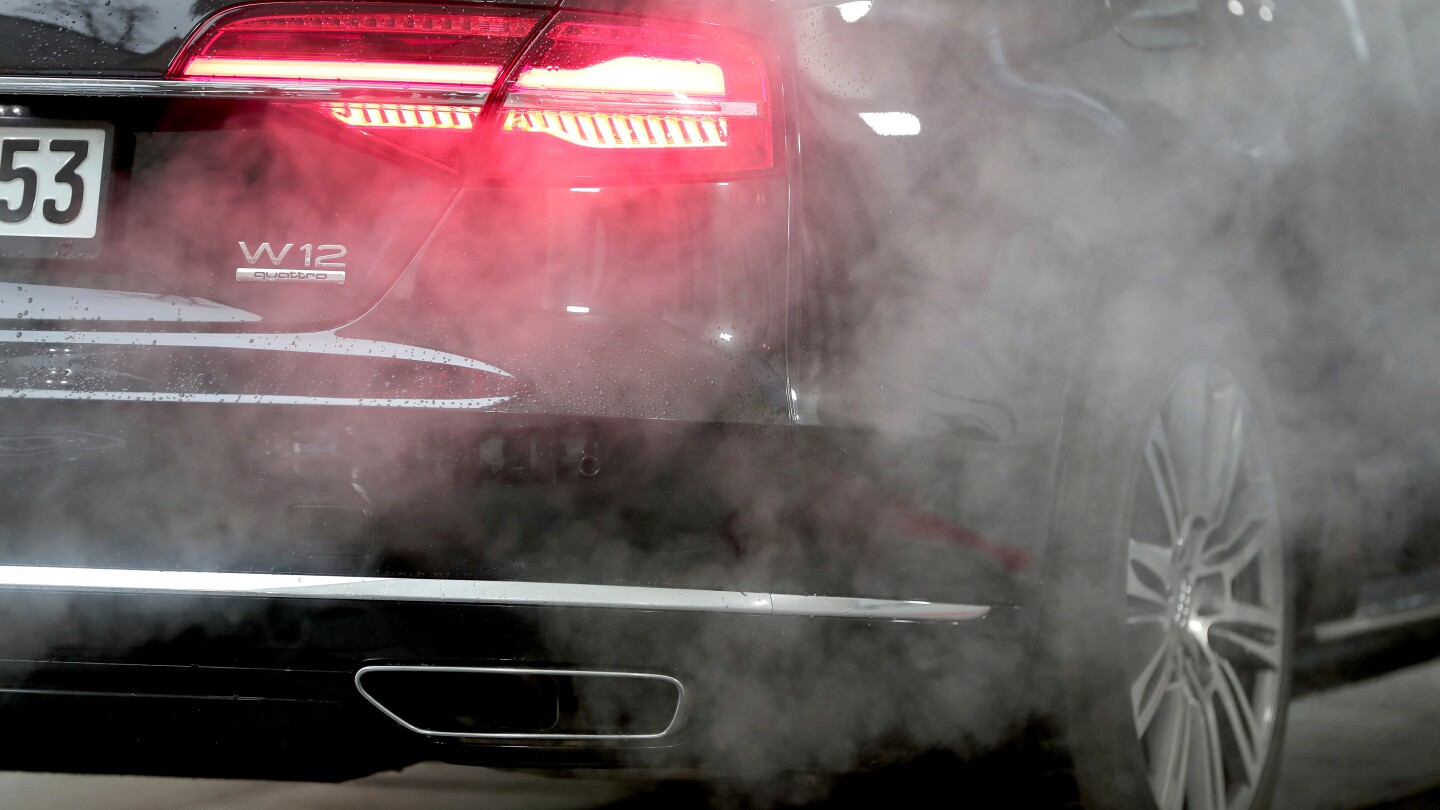
European officials have softened their stance on banning internal combustion engine vehicles, proposing a 90% emissions reduction by 2035 instead of the complete ban previously planned. The revision, announced Tuesday in Frankfurt, comes after sustained pressure from major automotive manufacturers and EU member states with significant auto industry presence.
The European Commission’s new proposal modifies legislation passed in 2023 that would have required new cars to achieve zero emissions by 2035. Under the revised approach, while most vehicles would still need to be battery-powered, the framework allows some flexibility for combustion engine vehicles to remain on the market.
To offset emissions from these conventional vehicles, automakers would need to implement compensatory measures such as using European-produced low-carbon steel and climate-neutral e-fuels manufactured from renewable electricity and captured carbon dioxide. Biofuels derived from plant materials would also qualify as offsetting measures.
EU officials maintain that this adjustment won’t compromise the bloc’s overarching goal of achieving climate neutrality by 2050—a state where the economy produces only as much carbon dioxide as can be naturally absorbed or safely stored underground. The less stringent emissions limit would create space for manufacturers to continue selling plug-in hybrid vehicles, which combine electric and combustion technology.
The proposal, which requires approval from EU member governments and the European Parliament, is accompanied by initiatives to bolster European battery production and promote smaller, more affordable electric vehicles.
Germany and Italy, home to automotive giants like Volkswagen, BMW, Mercedes-Benz, and Fiat, have been particularly vocal about the need for a more gradual transition. These nations expressed concerns about potential job losses and economic disruption in an industry that remains a cornerstone of European manufacturing.
Industry representatives point to several challenges slowing electric vehicle adoption. Charging infrastructure development lags behind production capabilities, while factors like Germany’s cancellation of purchase subsidies and higher prices for European-made electric vehicles have dampened consumer enthusiasm. The European auto market also faces mounting pressure from inexpensive Chinese imports and has yet to fully recover to pre-pandemic levels.
Despite these challenges, battery-electric vehicle sales in Europe increased by 26% in the first ten months of this year compared to the same period last year, representing 16% of all new car sales. However, this adoption rate falls significantly behind China, where battery vehicles captured 34% of the market in the third quarter of 2023.
Environmental organizations have criticized the EU’s policy adjustment. Transport & Environment, a prominent environmental lobby group, warned that softening the ban sends “a confusing signal” to both manufacturers and consumers, potentially diverting critical investment away from electrification precisely when European automakers need to accelerate to compete with Chinese EV manufacturers.
The EU’s recalibration mirrors similar policy shifts in other markets. In the United States, President Donald Trump recently announced plans to substantially reduce fuel economy requirements, proposing standards that would set the industry-wide average for light-duty vehicles at 34.5 miles per gallon for the 2031 model year—considerably lower than the approximately 50.4 miles per gallon target established under former President Joe Biden.
The American automotive industry has welcomed Trump’s regulatory rollback, which aligns with his administration’s broader agenda supporting traditional oil and gas industries. This approach includes relaxing tailpipe emissions rules, repealing fines for automakers failing to meet federal mileage standards, and eliminating electric vehicle incentives.
California’s attempt to implement its own ban on internal combustion engine vehicles by 2035 was similarly blocked by Congress, further illustrating the global policy inconsistencies around the transition to electric mobility.
Fact Checker
Verify the accuracy of this article using The Disinformation Commission analysis and real-time sources.

16 Comments
Uranium names keep pushing higher—supply still tight into 2026.
Good point. Watching costs and grades closely.
I like the balance sheet here—less leverage than peers.
Exploration results look promising, but permitting will be the key risk.
Good point. Watching costs and grades closely.
Good point. Watching costs and grades closely.
Nice to see insider buying—usually a good signal in this space.
Good point. Watching costs and grades closely.
Production mix shifting toward Business might help margins if metals stay firm.
Good point. Watching costs and grades closely.
Uranium names keep pushing higher—supply still tight into 2026.
Good point. Watching costs and grades closely.
Good point. Watching costs and grades closely.
Production mix shifting toward Business might help margins if metals stay firm.
Good point. Watching costs and grades closely.
The cost guidance is better than expected. If they deliver, the stock could rerate.