


Listen to the article
Czech Parliament Shields Prime Minister Babiš from Fraud Prosecution
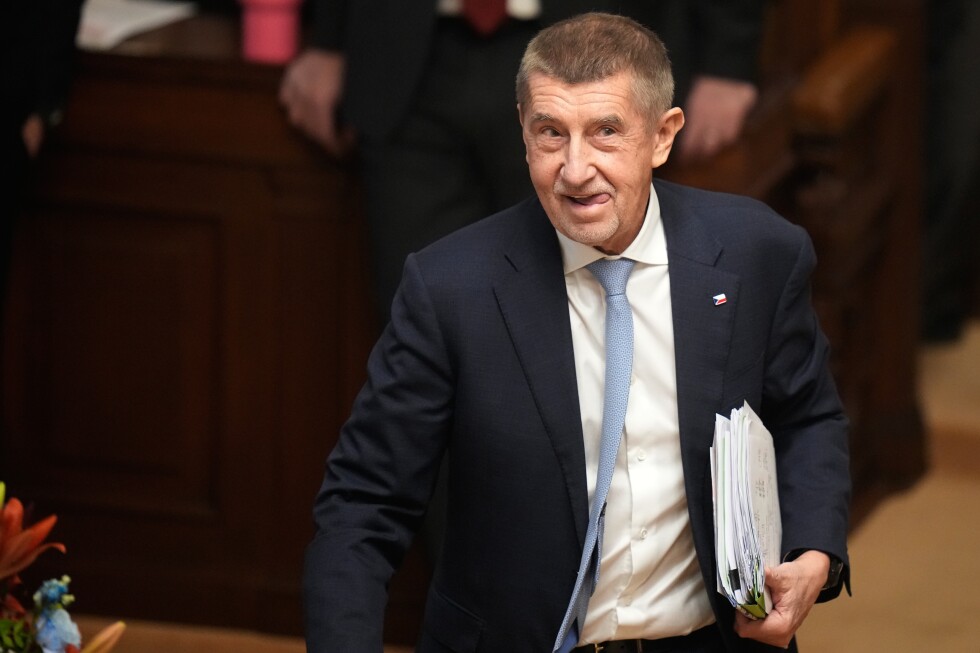
Czech lawmakers voted Thursday to protect Prime Minister Andrej Babiš from prosecution in a long-running fraud case involving European Union subsidies worth $2 million. The decision effectively halts legal proceedings against the populist leader until his parliamentary term expires in 2029.
The 200-seat lower house of Parliament voted 104-81 to reject a motion that would have lifted Babiš’s immunity, with one abstention and 14 legislators absent. The prime minister’s governing coalition, which holds a majority in the chamber, stood firmly behind him during the vote.
Had lawmakers approved the measure, Prague’s Municipal Court would have been able to proceed with a retrial and potentially issue a verdict against Babiš. The court had previously acquitted the prime minister twice, but an appeals court canceled those rulings, determining that the lower court had failed to properly assess evidence in the case.
The fraud allegations center around a farm known as the Stork’s Nest, which received EU subsidies after its ownership was transferred from Babiš’s Agrofert conglomerate to members of his family. The subsidies in question were specifically designated for small and medium-sized enterprises, a category for which the massive Agrofert would not have qualified. The ownership of the farm was later returned to Agrofert, which subsequently repaid the subsidies.
Throughout the proceedings, Babiš has maintained his innocence, characterizing the case as “clearly politically motivated.” Prosecutors had sought a suspended sentence and a fine for the billionaire businessman-turned-politician, who began his third term as prime minister in December following his party’s electoral success in October.
While Babiš is now shielded from prosecution, his former associate Jana Nagyová, who signed the subsidy request, will still face retrial. Nagyová currently serves as a member of the European Parliament, which has already lifted her immunity, clearing the way for legal proceedings against her.
Babiš’s ANO (YES) movement scored a significant victory in the October parliamentary election, allowing him to form a governing coalition with two smaller political groups – the anti-migrant Freedom and Direct Democracy party and the right-wing Motorists. This alliance has signaled a notable shift in Czech foreign policy, with plans to steer the country away from supporting Ukraine and to reject certain key EU policies.
The case against Babiš represents one of several controversies that have followed the wealthy businessman throughout his political career. Despite these challenges, he has maintained a strong base of support, particularly among rural and older voters who appreciate his populist messaging and skepticism toward deeper European integration.
In a separate but related decision during the same session, lawmakers also refused to allow the prosecution of lower house speaker Tomio Okamura, who heads the Freedom party, on charges of inciting hatred.
The parliamentary decisions come at a time of growing populism and nationalist sentiment in parts of Central Europe, with leaders increasingly challenging EU norms and policies. Political analysts suggest that the protection of Babiš from prosecution may further strain relations between Prague and Brussels, where concerns about rule of law and democratic backsliding in member states have become increasingly prominent.
The immunity vote also highlights the tensions within Czech society regarding political accountability and the rule of law, issues that continue to shape the country’s democratic development more than three decades after the fall of communism.
Fact Checker
Verify the accuracy of this article using The Disinformation Commission analysis and real-time sources.

8 Comments
This case highlights the challenges of balancing political power and the rule of law. It will be interesting to see how this plays out and whether there are any wider implications for the Czech Republic’s relationship with the EU.
Absolutely. The EU will likely be watching this situation closely, as it could set a precedent for how member states handle high-profile corruption allegations involving political leaders.
This decision to shield Babiš from prosecution over the EU fraud case raises serious concerns about corruption and the rule of law in the Czech Republic. It’s troubling to see a populist leader using his political power to avoid accountability.
I agree, this sets a dangerous precedent and undermines public trust in the democratic process. The government should be held to the highest ethical standards.
Interesting that the prime minister’s governing coalition was able to block the motion to lift his immunity. It makes me wonder about the broader political dynamics at play and the balance of power in the Czech Parliament.
You raise a good point. The ability of Babiš’s allies to protect him from prosecution suggests he has significant influence and control over the political process.
While I understand the legal technicalities involved, this decision is disappointing from a transparency and anti-corruption standpoint. The public deserves to know the truth about the Stork’s Nest affair and whether EU funds were misused.
I’m curious to hear more about the specifics of the fraud allegations and the evidence against Babiš. Without a full public airing of the case, it’s difficult to assess the merits and whether this decision was justified.