


Listen to the article
Tech Industries Face Setbacks in Illinois Primaries Despite Massive Spending
The artificial intelligence and cryptocurrency industries suffered significant defeats in this week’s Illinois Democratic primaries despite pouring nearly $20 million into various races, marking an early stumble in their efforts to establish political influence in the upcoming midterm elections.
Tech companies flooded competitive primaries with funding through super PACs, which can spend unlimited amounts on political campaigns. Their strategy focused on supporting candidates perceived as favorable to light-touch regulation of emerging technologies while opposing those advocating for stricter oversight.
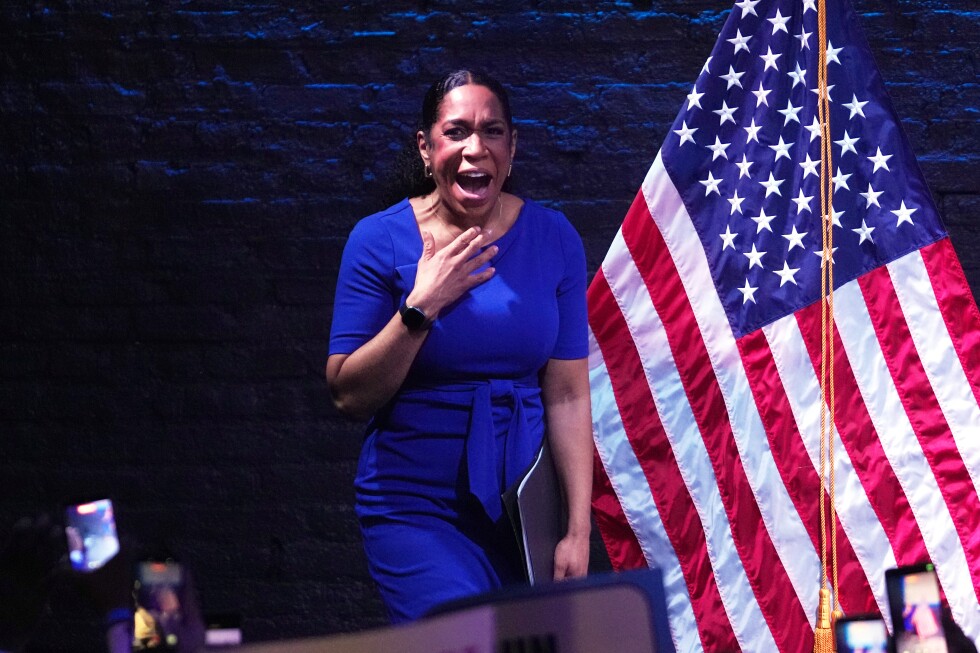
In the high-profile Senate race to succeed Dick Durbin, crypto-backed political action committee Fairshake spent more than $10 million opposing Illinois Lieutenant Governor Juliana Stratton. Despite this massive financial opposition, Stratton secured the Democratic nomination. Fairshake and another crypto-aligned group, Protect Progress, also invested millions in unsuccessful support of Stratton’s main rivals, Representatives Raja Krishnamoorthi and Robin Kelly.
The tech industry’s involvement in House primaries yielded mixed results. State Representative La Shawn Ford, who previously supported legislation regulating both AI and cryptocurrency industries, won his primary for U.S. Representative Danny Davis’s seat despite Fairshake spending nearly $2.5 million opposing his candidacy.
In another notable contest, Cook County Commissioner Donna Miller prevailed in the Democratic primary to succeed Kelly after Fairshake spent more than $800,000 against state Senator Robert Peters, a progressive who had backed crypto industry regulations.
The primaries highlighted an interesting dynamic where AI-backed groups occasionally worked at cross-purposes. In one race, Think Big PAC invested over $1 million to boost former congressman Jesse Jackson Jr.’s candidacy, while another AI-backed entity, Jobs and Democracy PAC, spent approximately $1 million opposing him.
These competing interests reflect divergent philosophies within the tech sector. Think Big operates under Leading the Future, funded by prominent Silicon Valley executives including venture capitalist Marc Andreessen, who opposes federal AI regulations and has supported Republican positions on AI policy. By contrast, Jobs and Democracy PAC receives funding from AI company Anthropic, which advocates for certain safety regulations as the technology develops.
The tech industry did secure one significant victory when former congresswoman Melissa Bean won the nomination to reclaim her old seat following approximately $1 million in support from AI-backed groups. Josh Vlasto, a political strategist for Leading the Future, praised Bean’s understanding of the need for “a national regulatory framework on AI that creates jobs, helps us stay ahead of China, and protects the safety of kids, users, and the community.”
Critics view these massive expenditures as attempts to co-opt progressive messaging while supporting corporate-friendly candidates. “Corporate money is being used to paint corporate-backed candidates as fearless progressives,” said Adam Green, co-founder of the Progressive Change Campaign Committee, which works to elect anti-corporate progressives.
The tech industry’s political interventions represent a new and evolving dynamic in American politics. Unlike established industries with well-understood political positions, AI and cryptocurrency companies are still defining their political identities.
Brian Gaines, a political science professor at the University of Illinois Urbana-Champaign, notes the uncertainty surrounding these new political players: “They’re so new to the game that public opinion isn’t very well formed about them. You don’t get a clear signal for who is the progressive and who is the moderate on AI and crypto policies.”
As the 2026 midterm elections approach, these primary results may cause tech companies to reassess their political strategies. The mixed outcomes suggest that while financial resources provide significant campaign visibility, they don’t guarantee electoral success, particularly when voters perceive outside interests attempting to influence local politics.
The Illinois primaries may represent just the opening round in what promises to be an extended effort by tech industries to shape the regulatory environment through political action. How these companies adapt their approaches following these initial setbacks will likely influence their political effectiveness in future elections.
Fact Checker
Verify the accuracy of this article using The Disinformation Commission analysis and real-time sources.

14 Comments
The tech industry’s heavy spending in Illinois primaries didn’t pay off as expected. It’s interesting to see emerging sectors like crypto and AI trying to exert political influence, but voters appear to have other priorities.
You’re right, the tech industry’s big money didn’t sway Illinois voters this time. It will be fascinating to see if they can adapt their strategy for future elections.
This is an interesting development in the evolving relationship between technology industries and the political process. While money can certainly influence elections, it’s clear that voters in Illinois had other priorities beyond just tech sector backing.
You’re right, the tech industry’s losses in these primaries show that their political influence may not be as strong as they had hoped. Voters are demonstrating that they won’t just rubber-stamp candidates endorsed by big money.
The crypto and AI industries’ defeat in Illinois primaries, despite their massive spending, highlights the limits of money in politics. Voters appear to value other factors beyond just industry endorsements and financial backing.
Absolutely. This result suggests that even deep-pocketed special interests can’t simply buy elections, at least not in this case. Voters seem to be looking for candidates that align with their own concerns and values.
The tech industry’s struggles in Illinois primaries are a good reminder that voters aren’t always swayed by massive campaign spending, even from powerful emerging sectors like crypto and AI. It will be fascinating to see how they adapt their political strategy going forward.
Agreed. This result suggests that voters are looking for more than just industry endorsements and financial backing. Candidates will need to connect with local concerns and priorities to win over Illinois voters.
It’s intriguing to see the crypto and AI industries face setbacks in these Illinois primaries despite their significant financial resources. This suggests that voters are interested in factors beyond just industry support, which could have broader implications for the role of money in politics.
Absolutely. This result shows that even well-funded special interests can’t always buy their way to victory, at least not in this case. Voters seem to be looking for candidates that align with their own values and priorities.
It’s intriguing to see the crypto and AI sectors trying to gain political clout, but their losses in Illinois show that money alone doesn’t guarantee election success. Voters clearly have other priorities beyond just tech industry backing.
You make a good point. While the tech industry is used to disrupting markets, they seem to be learning that disrupting the political process is much harder. Voters have minds of their own.
This is a good reminder that even with massive funding, candidates backed by special interests don’t always win. Voters seem to be looking for more than just tech industry endorsements.
Yes, it’s encouraging to see voters making their own choices despite the flood of outside money. Hopefully this sends a message that they value local issues and candidates over big industry influence.