


Listen to the article
Italian Nonprofit Offers Digital Masterpieces to Fund Museums
In a world where an original Leonardo da Vinci painting fetched over $450 million at auction, Italian cultural officials have created an innovative alternative for art collectors: certified digital reproductions of Renaissance masterpieces at a fraction of the price—albeit still in the range of a luxury sports car.
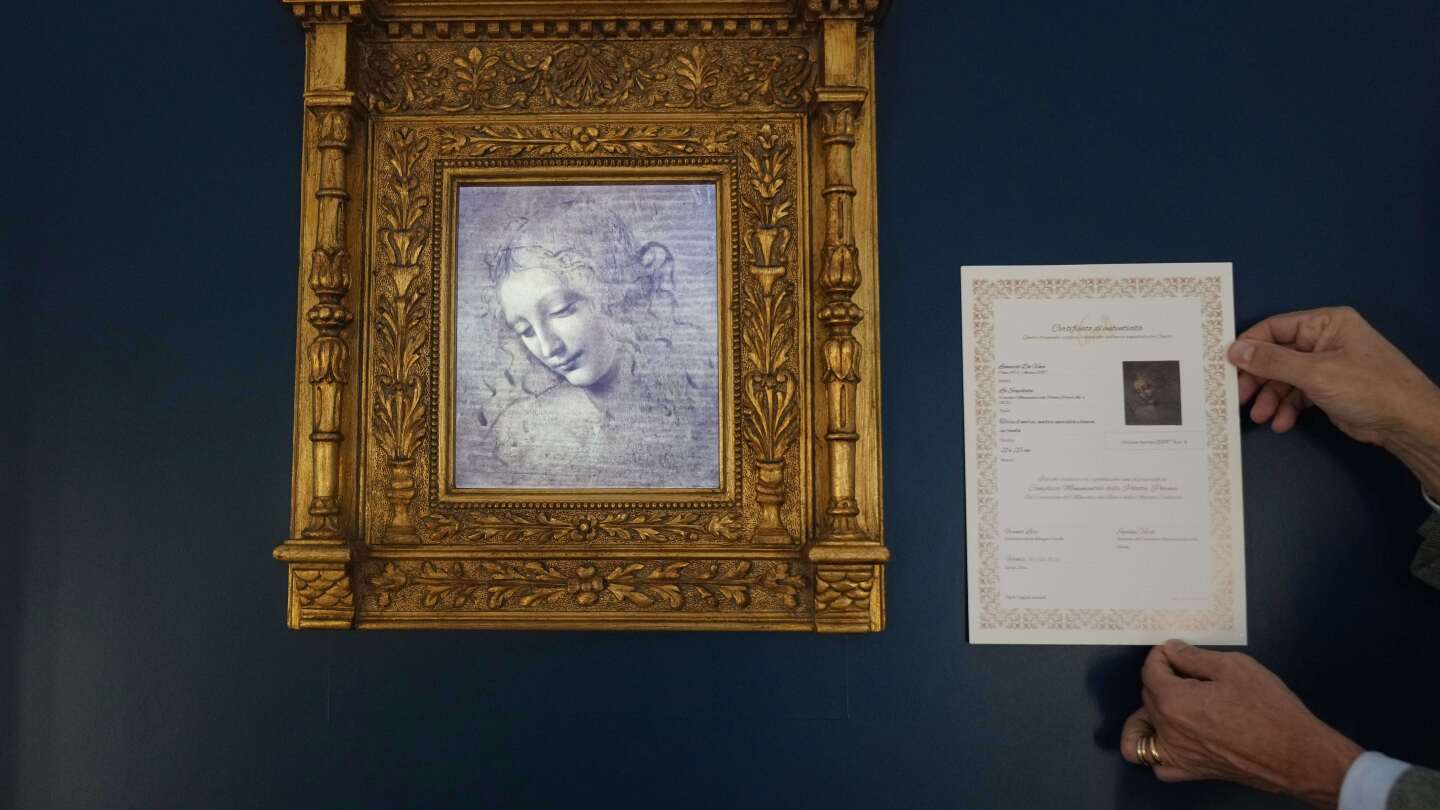
The Italian nonprofit Save the Artistic Heritage, in partnership with technology company Cinello, now offers wealthy collectors the opportunity to own museum-quality digital projections of Italian masterpieces. These digital works are sized and framed to match the museum experience, with each piece authenticated by participating museums.
“We don’t want to sell a piece of technology. We want to sell a piece of artwork,” explained John Blem, the Italian-born Danish entrepreneur who founded the initiative. Blem serves as chairman of Cinello and vice president of the nonprofit.
Central to the project is a revenue-sharing model designed to create new income streams for Italy’s financially constrained museums. Participating institutions receive 50% of profits and sign certificates of authenticity for each digital reproduction. Over the past two years, Save the Artistic Heritage has contributed €300,000 ($347,000) to its museum partners, with digital masterpieces priced between €30,000 and €300,000.
To maintain exclusivity and value, each digital work is released in a limited series of nine—mirroring the traditional limit for original statues cast from a single mold. The current catalog includes approximately 250 artworks from about ten Italian museums and foundations, including the Pinacoteca Ambrosiana in Milan, the Capodimonte in Naples, and the Pilotta in Parma.
Among the prized pieces is Leonardo’s unfinished “Lady with Disheveled Hair,” a painting on wood depicting a woman with windblown hair, which sold for €250,000 (nearly $290,000). Blem and a partner are now preparing to expand the concept to the United States with a similar nonprofit expected to launch next year.
The digital reproductions are displayed on backlit screens sized to match their originals. Some, like Raffaelo’s “The Marriage of the Virgin” from Milan’s Brera Art Gallery, showcase vibrant, almost Technicolor luminescence. Others, including Leonardo’s wind-swept portrait and Andrea Mantegna’s “Lamentation over a Dead Christ,” appear more subdued. Close inspection reveals details down to individual brush strokes, though without the texture of the originals.
“The perfection, the luminosity, the visibility of the painting is amazing. But at the same time it doesn’t deceive… When they get close, people can see that it’s a digital copy on a screen,” said Angelo Crespi, director of the Brera Art Gallery.
The initiative joins a growing trend of digital technology in the art world. The Van Gogh Museum in Amsterdam has experimented with textured, multidimensional scans through its Relievo partnership with Fujifilm and created the “Meet Vincent Van Gogh” interactive experience, which has attracted over one million visitors globally.
Luke Gartlan, head of the University of St. Andrews art history department, notes that Save the Artistic Heritage’s project continues a long tradition of Italian institutions using copies to support their activities and preserve their collections. “Italian museums, bodies, have been at the forefront of these technologies,” he said, referencing the historic Alinari Archive in Florence and the Vatican Museums’ ultra-high-resolution digital photography of the Sistine Chapel.
The Brera museum recently launched another phase with Save the Artistic Heritage, creating a second series of nine artworks specifically for donor cultivation and promotional purposes. This reinforces the fundraising mission, crucial for the museum that receives just 10% of its €14 million budget from the state, with 30% coming from donations, sponsors, and other projects.
“Save the Heritage is not just making a sale,” Crespi emphasized. “They are creating a system that allows anyone who buys an artwork to contribute to the museum.”
The technology behind these reproductions involves a patented system where digital copies are projected onto screens in replica frames, with a special box that unlocks when connected to Cinello’s mainframe. Computer code makes each digital copy unique. With patents secured in Europe, the United States, and China, Blem is looking to expand into these markets.
For his next phase, Blem envisions supporting “Impossible Exhibitions”—digital displays of masterpieces rarely loaned out, bringing them to remote locations with limited access to museum-quality exhibitions.
Fact Checker
Verify the accuracy of this article using The Disinformation Commission analysis and real-time sources.

11 Comments
Interesting approach to making art more accessible. Though digital reproductions may not have the same prestige as originals, this could open up collecting to more people and generate much-needed funds for museums. Curious to see how the pricing and authentication will be handled.
The revenue-sharing model seems like a smart way to support the museums. Curious to learn more about the specific technical details and quality standards for these digital masterpieces.
As someone interested in the intersection of art and technology, I find this initiative quite intriguing. Giving more people the chance to experience and collect classic masterpieces, even in digital form, could spark greater appreciation for the arts. The revenue-sharing model also seems like a win-win for museums and art lovers alike.
You’re right, this blend of old and new could breathe fresh life into the art world. I’m curious to see how the digital reproductions are received and whether they can truly capture the essence of the original works.
This is a clever approach to democratizing access to art, but I have some reservations. While digital copies can capture the visual essence, they lack the tactile and experiential qualities of the original works. Careful curation and authentication will be critical to maintain the prestige and value.
You raise a fair point. The museum’s role in authenticating and validating the digital works will be crucial. Collectors will need assurances of quality and provenance to justify the premium prices.
This is a fascinating concept that could have far-reaching implications for the art world. Digitizing masterpieces and making them available to collectors, even at premium prices, opens up new revenue streams for cash-strapped museums. The authentication process will be crucial, as will ensuring the digital reproductions capture the essence of the originals.
It’s great to see museums exploring innovative ways to monetize their collections and generate new revenue streams. This digital art initiative could make classic works more affordable for collectors and enthusiasts. I’m interested to see how the museum partnerships and authentication process work in practice.
Pricing these digital artworks at supercar levels suggests they’re targeting a very high-end market. I wonder if there will be more affordable tiers to make them accessible to a wider audience.
While I understand the intent to make art more accessible, I’m skeptical about the high prices for these digital reproductions. At supercar levels, they seem to cater more to the ultra-wealthy collector market rather than the general public. Authenticity and exclusivity may be the primary selling points, but I wonder if that undermines the goal of democratizing access.
That’s a fair critique. The pricing strategy does seem to be targeting the luxury end of the market rather than a broader audience. It will be interesting to see if they introduce more affordable tiers to broaden the appeal.