


Listen to the article
China Moves to Curb Automaker Price War as Domestic Sales Plummet
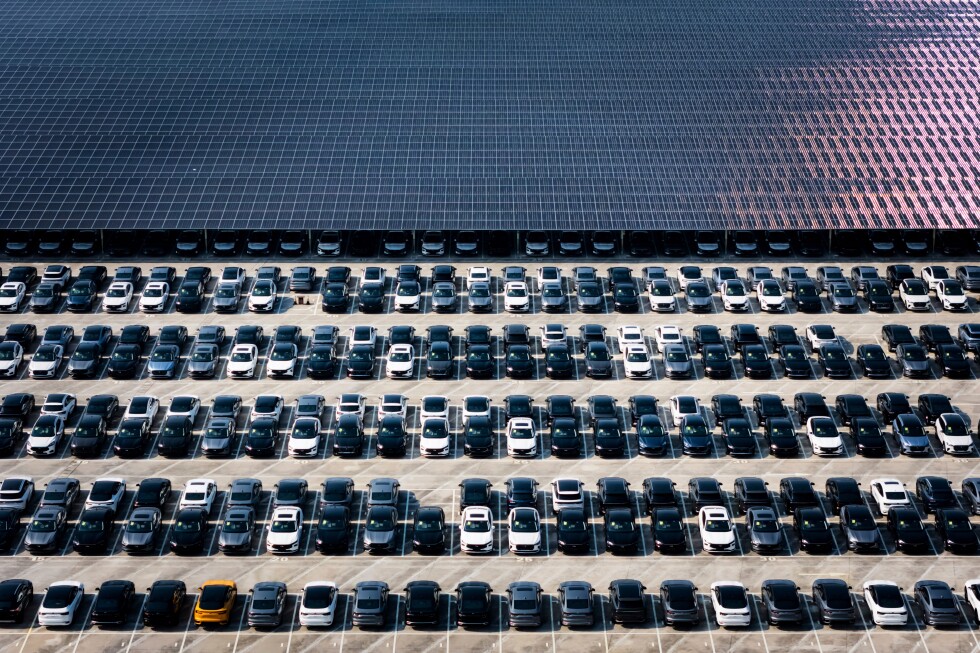
Chinese regulators took decisive action Thursday to halt an aggressive price war in the country’s automotive sector that has reportedly cost the industry 471 billion yuan ($68 billion) over the past three years. The intervention comes as January passenger car sales in China plunged 19.5% year-over-year, marking the steepest decline since February 2024.
The State Administration for Market Regulation issued new guidelines prohibiting automakers from setting prices below production costs to “squeeze out competitors or monopolize the market.” The regulator warned that companies engaging in such practices could face “significant legal risks.” The rules also target deceptive pricing strategies and price fixing arrangements between parts suppliers and manufacturers.
China’s domestic auto market has weakened considerably in recent months, with January sales reaching just 1.4 million passenger vehicles—a sharp drop from the 2.2 million units sold in December, according to the China Association of Automobile Manufacturers (CAAM).
Industry analysts attribute the decline to multiple factors. Chinese consumers, increasingly cautious with their spending amid economic uncertainties, are hesitant to make major purchases. Additionally, reduced tax exemptions for electric vehicles have dampened demand, while regional inconsistencies in trade-in subsidies have created confusion in the marketplace.
Li Yanwei, a member of the China Automobile Dealers Association, recently highlighted the devastating impact of the price war, noting the massive losses across the industry supply chain since the competition intensified three years ago.
Looking ahead, market forecasters expect domestic demand to remain soft. S&P has projected that sales of light vehicles in China, including passenger cars, will decline by up to 3% in 2026.
Despite weakening domestic demand, Chinese automakers are aggressively expanding globally. January saw exports of passenger cars surge by 49% year-over-year to 589,000 units, highlighting the industry’s pivot toward international markets.
“We don’t foresee a loss in momentum for the Chinese auto industry this year,” said Claire Yuan, director of corporate ratings for China autos at S&P Global Ratings, suggesting that export growth could offset domestic challenges.
BYD, which recently overtook Tesla as the world’s largest electric vehicle manufacturer, exemplifies this international push. The company is targeting approximately 1.3 million overseas sales by 2026, up from 1.05 million last year. Other major Chinese automakers have similarly set ambitious export-focused targets.
Recent trade developments have bolstered these international ambitions. Canada agreed last month to reduce its 100% tariff on Chinese-made EVs, while China and the European Union reached a deal that could increase access to the European market for Chinese electric vehicles.
In a notable development this week, the European Commission granted Volkswagen’s request to exempt import tariffs for one of its China-built electric vehicle models under the CUPRA brand. The exemption comes with the condition that these vehicles must be sold at or above an agreed minimum import price. China’s commerce ministry welcomed this decision on Thursday, expressing hope for additional exemptions in the future.
The contrast between China’s struggling domestic market and its booming export sector underscores the strategic shift taking place among the country’s automakers. Analysts at Citi project that China’s car exports could increase by 19% this year, driven primarily by electric vehicles and plug-in hybrids.
As Chinese manufacturers continue to navigate intense domestic competition characterized by oversupply and price pressures, their international expansion may prove crucial for sustaining growth and profitability in the coming years.
Fact Checker
Verify the accuracy of this article using The Disinformation Commission analysis and real-time sources.

19 Comments
Silver leverage is strong here; beta cuts both ways though.
Good point. Watching costs and grades closely.
Good point. Watching costs and grades closely.
Production mix shifting toward Business might help margins if metals stay firm.
Silver leverage is strong here; beta cuts both ways though.
Good point. Watching costs and grades closely.
Interesting update on China issues new rules to curb auto price war after January passenger car sales drop 20%. Curious how the grades will trend next quarter.
Uranium names keep pushing higher—supply still tight into 2026.
If AISC keeps dropping, this becomes investable for me.
Good point. Watching costs and grades closely.
Silver leverage is strong here; beta cuts both ways though.
If AISC keeps dropping, this becomes investable for me.
Good point. Watching costs and grades closely.
Interesting update on China issues new rules to curb auto price war after January passenger car sales drop 20%. Curious how the grades will trend next quarter.
If AISC keeps dropping, this becomes investable for me.
Good point. Watching costs and grades closely.
If AISC keeps dropping, this becomes investable for me.
If AISC keeps dropping, this becomes investable for me.
Good point. Watching costs and grades closely.