


Listen to the article
Chile has passed groundbreaking legislation to ban mobile phones and other smart devices from elementary and middle school classrooms, joining a growing global movement to address technology’s impact on childhood education and development.
The measure, approved late Tuesday by Chile’s lower house of Congress after earlier Senate endorsement, will prohibit smartphone use during class hours beginning in 2026. The bill, which awaits President Gabriel Boric’s signature, includes exceptions for emergencies and specific educational activities.
“We are advancing a cultural change for children and adolescents who today, more than ever, need to see each other’s faces again, socialize during recess, and regain concentration to further boost learning,” Education Minister Nicolás Cataldo wrote on social media following the vote.
The legislation comes after years of lobbying from Chilean parents and educators concerned about the negative effects of smartphone use on students’ learning outcomes and emotional well-being. These concerns appear well-founded—according to the Organization for Economic Cooperation and Development (OECD), more than half of Chilean students report that digital devices disrupt their learning environment.
Chile’s approach reflects a growing international consensus about the potentially harmful effects of unfettered smartphone access in schools. France implemented similar restrictions in 2018, banning mobile phones in schools for students under 15. Other nations including Brazil, Hungary, the Netherlands, and China have also instituted various levels of restrictions on smartphone use in educational settings.
The global trend toward limiting classroom smartphone use stems from mounting research suggesting that these devices can significantly impair concentration, reduce face-to-face social interaction, and potentially contribute to mental health challenges among young people. Studies have linked excessive screen time to increased anxiety, depression, and reduced academic performance.
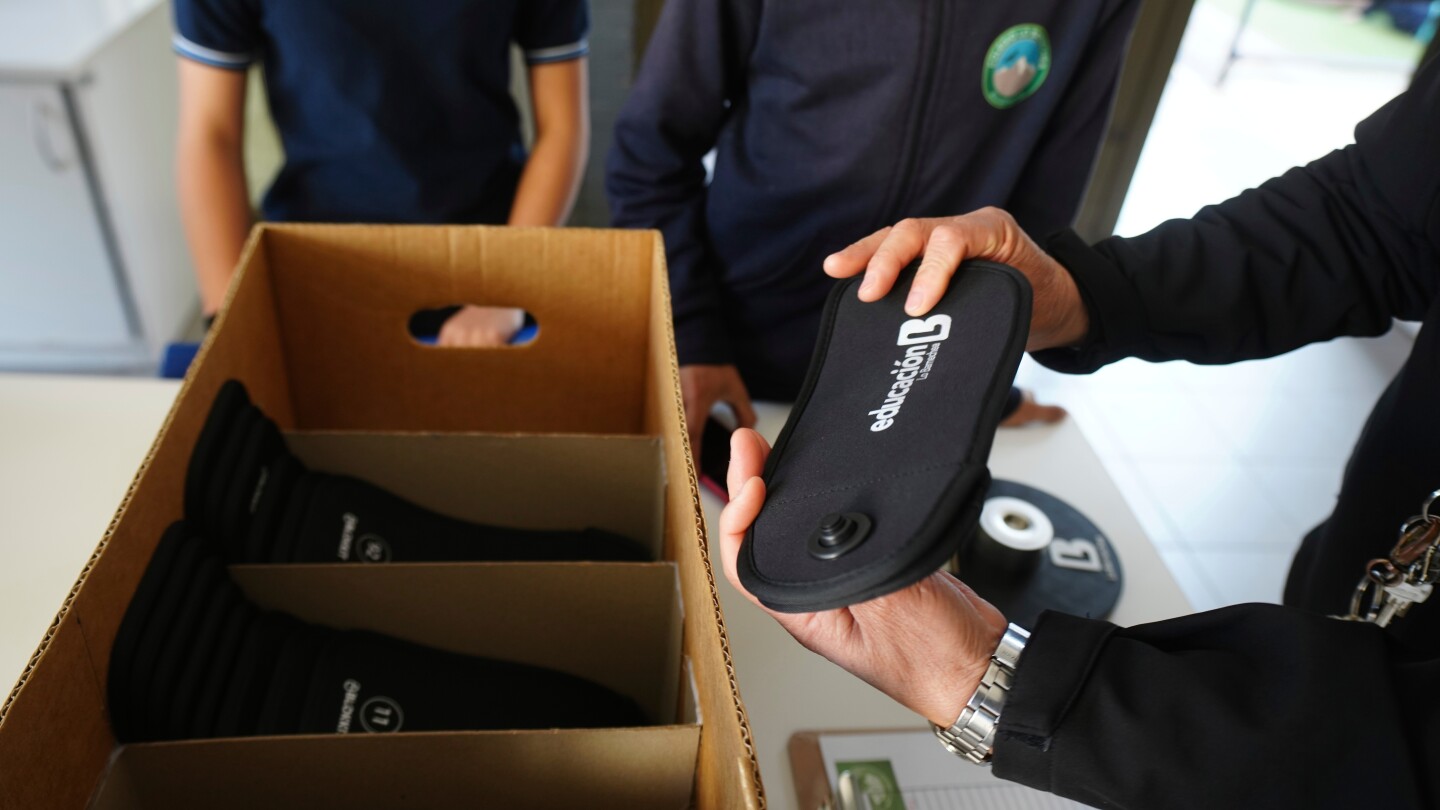
One Santiago school has already taken action ahead of the nationwide policy, implementing a successful pilot program that blocks cellular signals within school grounds. This technological approach offers a glimpse of how schools might enforce the upcoming restrictions while addressing the practical challenges of implementation.
Education experts suggest that removing smartphones from classrooms may help address Chile’s academic challenges. The country has made significant educational strides in recent decades but continues to perform below the OECD average in reading, mathematics, and science according to international assessments. By reducing digital distractions, officials hope to improve student focus and learning outcomes.
The timing of the legislation is particularly significant as countries worldwide grapple with the educational aftermath of the COVID-19 pandemic, which accelerated technology integration in schools but also raised concerns about screen dependency among young people.
Critics of the ban argue that blanket restrictions fail to teach responsible technology use and may leave students unprepared for a digital future. However, supporters counter that the law still permits educational technology when purposefully integrated into lessons while eliminating recreational distractions.
Chile’s approach strikes a balance between recognizing technology’s educational potential while acknowledging its disruptive capacity when used without clear purpose or limits. The law’s exceptions for educational applications maintain avenues for digital literacy development while addressing concerns about excessive and inappropriate use.
The three-year implementation timeline gives schools, parents, and students time to adjust to the new regulations before they take full effect in 2026. During this period, educational authorities are expected to develop detailed guidelines for schools on enforcing the restrictions while maximizing the benefits of the policy.
As Chile moves forward with this significant educational reform, it joins a growing international movement recognizing that managing technology’s role in childhood development requires thoughtful policy interventions balancing digital opportunity with the fundamental needs of developing minds.
Fact Checker
Verify the accuracy of this article using The Disinformation Commission analysis and real-time sources.

8 Comments
While I understand the rationale, I wonder about unintended consequences. What if students need devices for research or digital assignments? Hope they find the right balance.
Banning smartphones in class is a bold move, but the research on the impacts of excessive screen time on young people’s development is concerning. Kudos to Chile for taking action.
Interesting move by Chile to ban smartphone use in classrooms. Promoting face-to-face interaction and reducing digital distractions could have real benefits for student learning and development.
I agree. With so much screen time already, taking a break during the school day seems wise. Hope it helps students focus and engage more.
This policy raises some questions – how will it be enforced? What about educational apps and digital learning tools? Still, the intent to address tech’s impact on kids is commendable.
Valid points. The exceptions for emergencies and specific activities will be key. Balancing restrictions with productive technology use will be the challenge.
Chile is not alone in this – several countries have similar bans. Curious to see if this sparks a broader trend or debate around screen time in schools globally.
As a parent, I can appreciate the motivation behind this policy. Reducing distractions and encouraging face-to-face interactions seems like it could have real benefits. Execution will be important.