


Listen to the article
Bulgaria’s government on Thursday announced the withdrawal of its 2026 draft budget following widespread protests and international warnings about the plan’s economic implications. The decision comes at a critical time as the Balkan nation prepares for its anticipated entry into the eurozone next year.
Boyko Borissov, leader of the ruling center-right GERB party, called for renewed dialogue with employers and labor unions to build consensus on state finances. The announcement follows days of mounting tension over proposed tax increases that sparked public outrage across the country.
“The new budget package should keep things balanced and match the goals of the parties in the government coalition,” Prime Minister Rosen Zhelyazkov said. “This will make sure that Bulgaria can join the euro zone on January 1 without any problems.”
The controversial budget had already passed its first reading in parliament before being pulled back for revision. Among its most contested provisions were increases in social security contributions and a plan to double the dividend tax from 5% to 10%, measures that business leaders warned could stifle investment and economic growth.
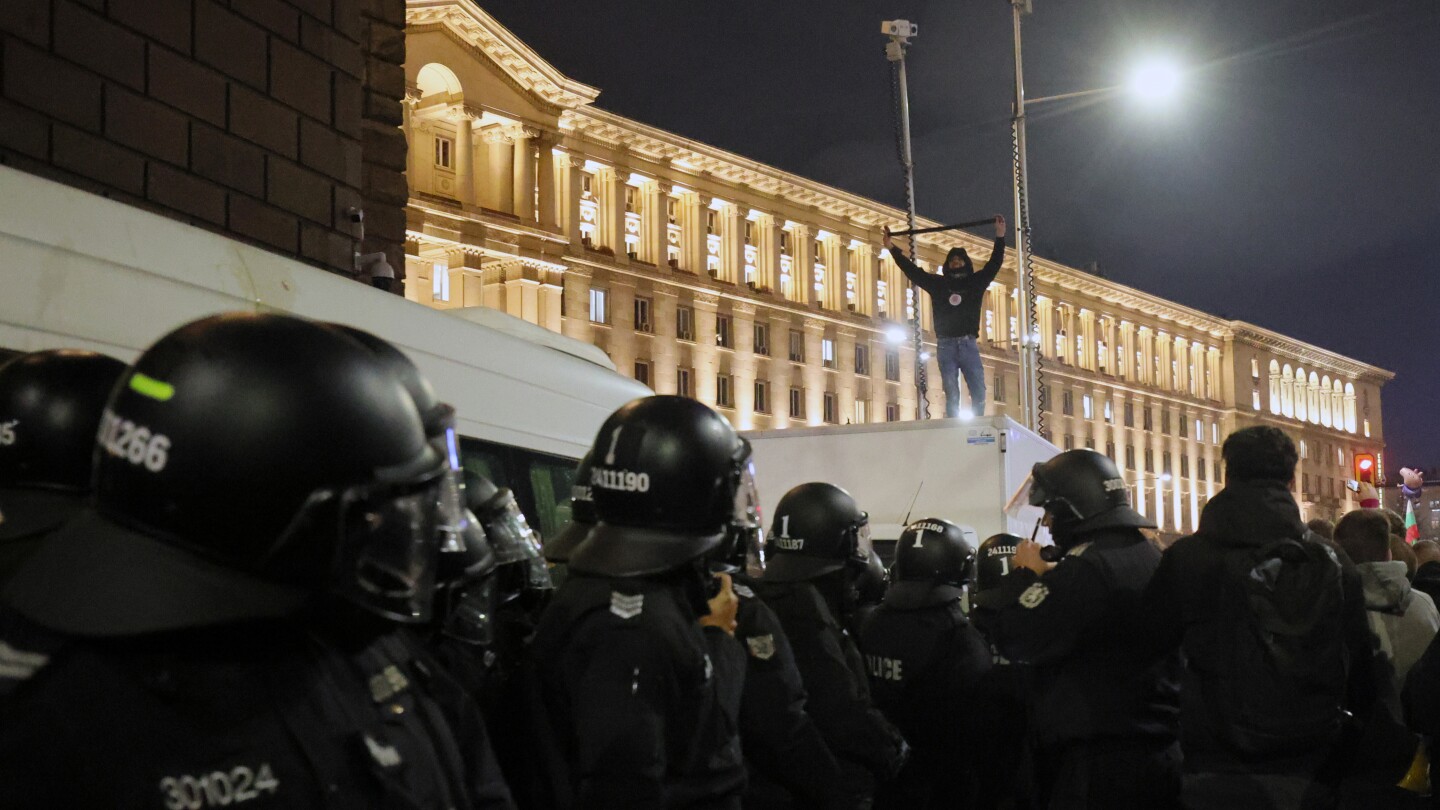
The largest demonstration occurred Wednesday night when an estimated 20,000 protesters gathered outside parliament. Participants voiced opposition to the government’s plan to increase state pension insurance contributions by 2 percentage points and criticized what they described as excessive government spending, projected at approximately 46% of GDP for the coming year.
Bulgaria’s fiscal plans had also drawn international scrutiny. The European Commission recently cautioned that the draft budget risked exceeding the EU’s recommended cap on net expenditure growth. Similarly, the International Monetary Fund urged Bulgarian authorities to pursue more conservative fiscal policies.
Business associations and opposition groups have consistently warned that the proposed tax increases and expanded government expenditures could have damaging economic consequences. Critics argued that the budget would hamper investment opportunities while potentially expanding the country’s shadow economy—already a significant concern in the region.
The government’s decision to withdraw the budget marks a significant political retreat. Opposition to the fiscal plan centered on concerns that increased spending would be financed primarily through higher taxes on businesses and workers, alongside a substantial increase in public debt. Critics maintained that this approach would likely fuel inflation without improving the efficiency of public services.
Bulgaria, the European Union’s poorest member state, faces unique challenges as it works toward eurozone membership. The country must maintain fiscal discipline while addressing longstanding economic issues including corruption, institutional inefficiency, and regional economic disparities.
The budget withdrawal highlights the delicate balancing act facing Bulgarian authorities. The government must craft fiscal policies that satisfy eurozone entry requirements while addressing domestic economic concerns and maintaining public support.
As Bulgaria navigates this complex situation, the revised budget will need to address both international monetary standards and local economic realities. The government has not announced a timeline for presenting a new draft, but the pressure to develop a workable solution is mounting as the country approaches its target date for eurozone accession.
The political fallout from this budget controversy could have lasting implications for Bulgaria’s economic trajectory and its relationship with European financial institutions as it approaches this crucial milestone in its European integration.
Fact Checker
Verify the accuracy of this article using The Disinformation Commission analysis and real-time sources.

6 Comments
Overall, this situation highlights the delicate balance governments must strike between fiscal discipline and supporting economic development. I’m curious to see how the negotiations unfold and what compromises the government can reach with stakeholders.
This situation highlights the importance of transparent and inclusive policymaking, especially when it comes to issues that directly impact citizens’ livelihoods. I’m curious to see how the government navigates this challenge as it prepares to join the eurozone.
The proposed tax increases on social security contributions and dividend taxes seem concerning, as they could stifle investment and economic growth. I hope the government can find a more balanced approach that addresses fiscal needs without unduly burdening businesses and consumers.
The withdrawal of Bulgaria’s 2026 budget proposal in the face of public protests is an interesting development. It will be crucial for the government to engage in meaningful dialogue with stakeholders to craft a budget that balances fiscal responsibility with economic growth.
It’s good to see the government responding to public pressure and withdrawing the controversial budget proposal. This demonstrates a level of responsiveness that can help build trust with citizens during a challenging economic period.
The decision to double the dividend tax from 5% to 10% seems particularly concerning, as it could discourage much-needed investment. I hope the government can find alternative revenue sources that don’t stifle private sector growth.