


Listen to the article
Daily Mail Publisher in Talks to Acquire Telegraph Media Group for £500 Million
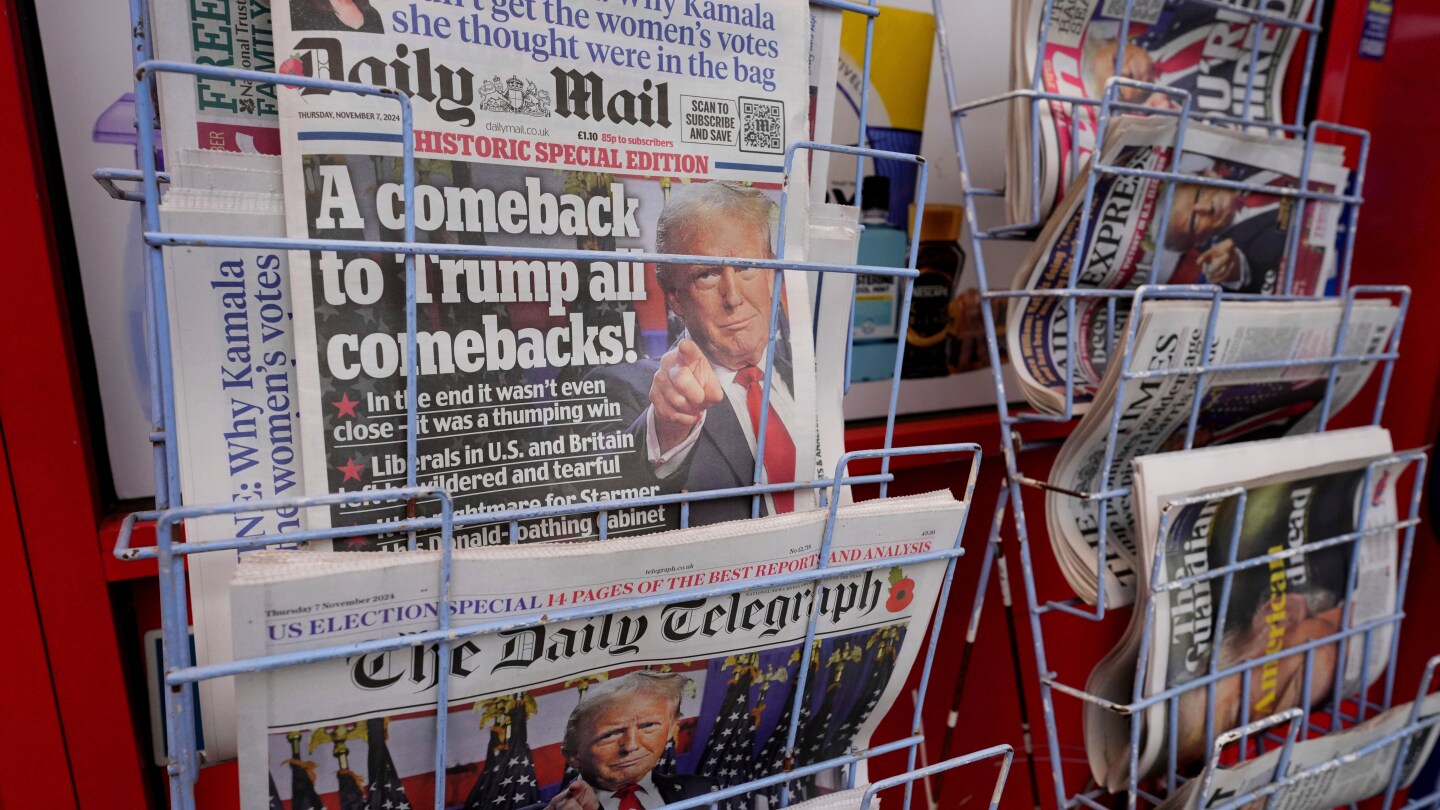
The publisher of Britain’s Daily Mail has entered exclusive negotiations to purchase Telegraph Media Group in a deal valued at approximately £500 million ($654 million). The proposed acquisition would unite two influential British news organizations that have traditionally aligned themselves with the Conservative Party.
Daily Mail and General Trust plc (DMGT) announced on Saturday that discussions are underway to finalize terms with Redbird IMI, an Abu Dhabi-backed venture that currently controls the Telegraph titles. DMGT expressed expectations of completing the transaction “quickly.”
“Under ownership the Daily Telegraph will become a global brand, just as the Daily Mail has,” said DMGT Chairman Jonathan Harmsworth, also known as Lord Rothermere, in a statement outlining his vision for the historic newspaper.
The potential merger represents a significant consolidation within Britain’s conservative media landscape. Both publications have considerable influence among right-leaning readers and politicians, with the Telegraph long considered an authoritative voice in Conservative circles.
The announcement follows a tumultuous period for the Telegraph, which has been ensnared in ownership disputes since 2023. The newspaper, which has been a fixture in British media since its founding in 1855, fell from the control of the Barclay family following disagreements with its lenders.
In November 2023, Redbird IMI—a partnership between New York-based RedBird Capital and Abu Dhabi’s International Media Investments—arranged to acquire the Telegraph by providing loans that would allow the Barclays to settle their outstanding debts with Lloyds Banking Group.
However, that proposed transaction sparked immediate concern in the British Parliament about foreign influence over the nation’s media. The deal prompted debates in the House of Commons regarding potential threats to editorial independence and press freedom, ultimately leading then-Prime Minister Rishi Sunak’s government to launch a formal review of the acquisition.
“It would not be appropriate for a foreign state to interfere with the accurate presentation of our news or the freedom of expression in newspapers,” stated Lucy Frazer, Culture Secretary under the previous government, articulating the widespread apprehension about foreign state involvement in British media ownership.
The current Culture Secretary, Lisa Nandy of the Labour government, has indicated she will scrutinize any new acquisition to ensure it protects the public interest and complies with legislation governing “foreign state influence” in media mergers.
Media industry analysts note that the potential acquisition comes at a challenging time for traditional print media, with newspapers facing declining circulation and advertising revenues amid competition from digital platforms. The Telegraph, despite its prestigious reputation, has not been immune to these industry-wide pressures.
The proposed acquisition by DMGT could represent a strategic consolidation move in response to these market forces. By bringing the Telegraph under the same umbrella as the Daily Mail, the combined entity would command substantial readership and influence across both print and digital formats.
The deal also reflects the ongoing evolution of media ownership in the UK, where concerns about media plurality and independence continue to shape regulatory responses. Britain’s media landscape has seen significant consolidation in recent years, with ownership increasingly concentrated among a small number of large corporations and wealthy individuals.
Industry observers will be watching closely to see how the potential acquisition might affect the Telegraph’s editorial direction and whether its distinctive voice will be maintained under new ownership.
The outcome of these exclusive talks is expected to be announced in the coming weeks, pending regulatory review and final agreement on terms.
Fact Checker
Verify the accuracy of this article using The Disinformation Commission analysis and real-time sources.

11 Comments
Interesting to see the two prominent conservative-leaning news outlets in the UK potentially coming together. I wonder how this could impact the media landscape and influence in the country.
This could give the combined entity significant reach and sway among right-wing readers. It will be important to watch how editorial independence is maintained.
The Telegraph has a long and storied history in British journalism. I hope that its editorial voice and standards are preserved under new ownership, regardless of the political leanings of the parent company.
The potential £500 million price tag suggests the Telegraph is still seen as a valuable asset, despite the challenging media environment. I’m curious to see if this deal goes through and what the strategic rationale is for Daily Mail’s owner.
Consolidation in the UK news media is an ongoing trend. This acquisition could give Daily Mail’s parent company more scale and resources to compete globally.
The Telegraph has historically been seen as a more serious, authoritative voice compared to the Daily Mail’s more sensational style. I wonder how the combined entity will balance those different editorial approaches.
Maintaining distinct editorial identities while achieving operational efficiencies will be a key challenge if this deal goes through.
This is a significant development in the UK media industry. I’ll be watching closely to see if the acquisition receives regulatory approval and how it reshapes the conservative news landscape.
This deal would bring together two of the UK’s most influential conservative-leaning news outlets. It will be interesting to see if there are any antitrust concerns raised around media concentration.
Regulators will likely scrutinize this transaction closely to ensure there are no undue impacts on media plurality and competition in the sector.
As someone who follows the UK media landscape, I’m curious to learn more about the strategic rationale behind this potential acquisition. What synergies do the owners see that would justify combining these two legacy brands?