


Listen to the article
Brazil’s Vice President Celebrates U.S. Tariff Removal, Pushes for More Exemptions
Brazil’s Vice President Geraldo Alckmin described U.S. President Donald Trump’s decision to remove additional import tariffs on several Brazilian agricultural products as “significant progress” on Friday, while emphasizing that Brazil will continue to advocate for broader exemptions.
“We want to exclude more products and move forward in the negotiation,” Alckmin told journalists in Brasilia. As both Vice President and Trade Minister, Alckmin has led negotiations with the United States alongside Brazilian diplomats and business representatives.
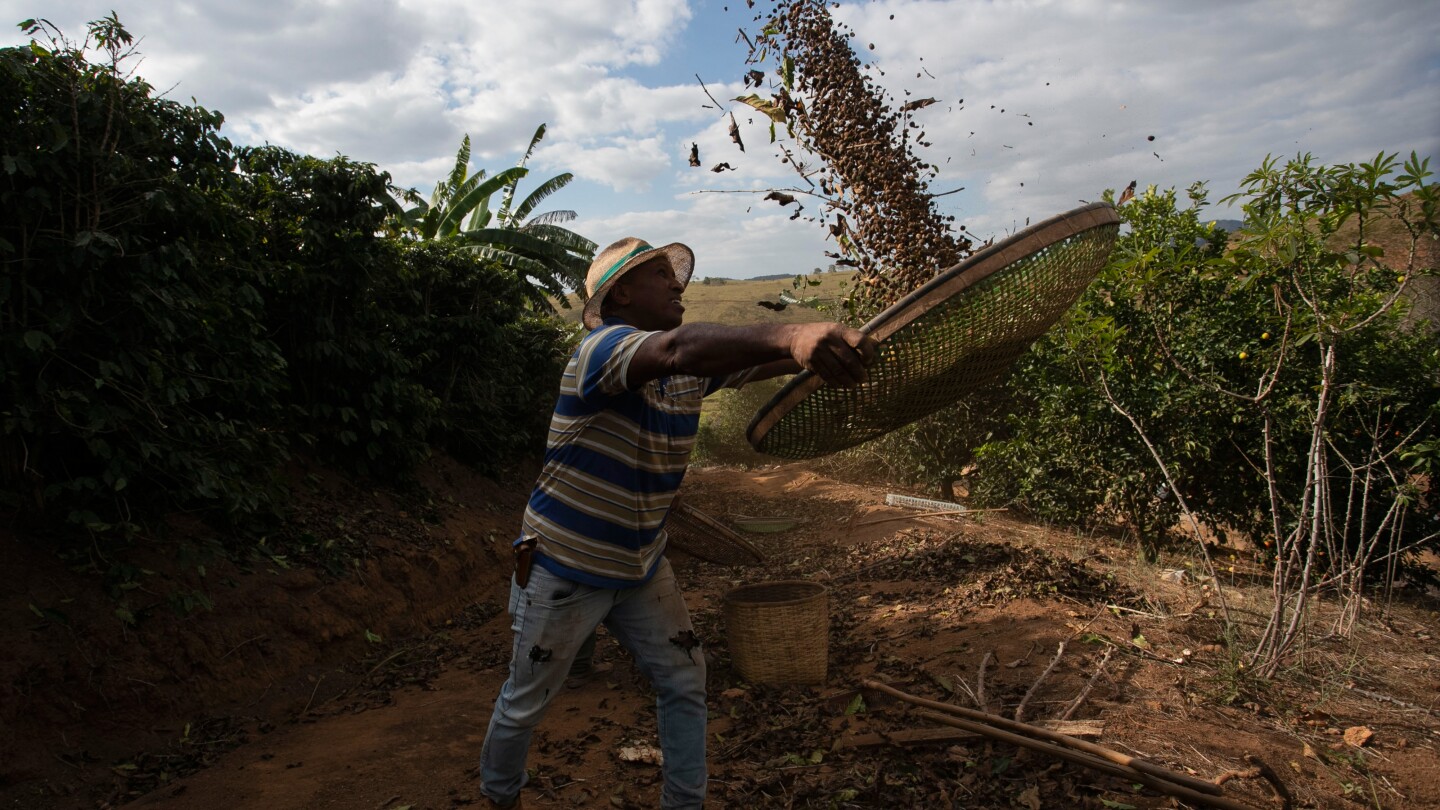
The tariff reversal, announced Thursday, affects key Brazilian exports including coffee, beef, and various fruits. The decision comes as welcome relief for Brazil’s agricultural sector, which has viewed the additional tariffs as severely damaging to their competitive position in the American market.
Brazil’s coffee exporters council, Cecafé, was particularly vocal in celebrating the policy change, describing the previous tariff hike as causing “a complete loss of competitiveness” for Brazilian producers. “The tariff reversal comes after months of intense work representing the interests of Brazilian coffee. It is a historic victory for the entire coffee agribusiness production chain,” the council stated.
The significance of this development cannot be overstated for Brazil’s agricultural economy. The South American nation has long been a critical supplier of agricultural commodities to the United States, particularly beef and coffee. Prior to the tariffs, U.S. government data showed Brazil supplied approximately 30% of America’s coffee market, positioning it well ahead of Colombia (20%) and Vietnam (10%) as the dominant source for U.S. coffee imports.
Trump had initially imposed the additional import taxes on Brazilian goods citing what he characterized as unfair trade practices. The tariffs were also linked to Brazil’s prosecution of former President Jair Bolsonaro, who was later sentenced to 27 years in prison for attempting to stage a coup after losing the 2022 election to current President Luiz Inácio Lula da Silva.
Despite the tensions, economic ties between the nations remain substantial. According to the U.S. Census Bureau, the United States maintained a $6.8 billion trade surplus with Brazil last year, highlighting the economic interdependence between the two largest economies in the Americas.
President Lula celebrated the tariff removal on social media, calling it “a victory for dialogue, diplomacy and common sense.” In a video shared on X (formerly Twitter), the Brazilian leader expressed satisfaction with Trump’s decision and praised “the frank dialogue” between the two administrations.
This development suggests a potential warming in relations between Trump and Lula, who have been engaged in broader trade negotiations that could further reduce barriers to bilateral commerce. Though the two leaders represent opposing ends of the political spectrum, pragmatic economic interests appear to be driving cooperation.
The 40% tariff removal represents a significant boost for Brazilian exporters who had faced severe challenges in maintaining market share in the United States. For American consumers, the policy shift could potentially translate to more stable prices for coffee, beef, and other Brazilian imports at a time when consumer costs remain a political concern in the United States.
Industry analysts note that the tariff situation had created uncertainty in global agricultural markets, with competitors from other nations temporarily gaining advantage in the lucrative U.S. market during the period when Brazilian goods faced additional costs.
While celebrating this diplomatic victory, Brazil’s government has made clear that it considers this merely a first step in resetting trade relations with the United States. As Vice President Alckmin indicated, Brazilian officials intend to pursue further exemptions and a broader trade agreement that would provide greater stability and access for Brazilian exports.
Fact Checker
Verify the accuracy of this article using The Disinformation Commission analysis and real-time sources.

14 Comments
The US tariff reversal is a welcome development, but Brazil’s desire for more exemptions highlights the continued need for productive dialogue and compromise between the two countries. Achieving a stable and mutually beneficial trade relationship will require flexibility and a willingness to find common ground.
This is a complex issue with multiple factors at play. While the tariff rollback is positive for Brazil’s agricultural exports, the ongoing negotiations suggest there are still challenges to overcome. Maintaining an open and constructive dialogue will be key to finding a mutually satisfactory solution.
Absolutely. Both countries have their own economic interests to protect, so striking the right balance through negotiation and compromise will be critical.
This is good news for Brazil’s agricultural exports. Removing tariffs should boost their competitiveness in the US market. However, it seems Brazil is still pushing for more exemptions, so the negotiations are not over yet.
Agreed. Broader tariff exemptions would provide even more relief for Brazil’s key export sectors like coffee and beef.
Brazil’s push for broader tariff exemptions suggests they see room for further concessions from the US. It will be interesting to see how these trade talks progress and whether additional compromises can be reached.
Absolutely. Both sides will likely need to make some concessions to arrive at a final agreement that satisfies the key concerns of Brazil’s agricultural sector.
The tariff reversal is a positive first step, but Brazil’s continued advocacy for more exemptions shows there is still work to be done. Navigating the complexities of international trade policy can be challenging, but finding the right balance is crucial.
It’s interesting to see the back-and-forth between Brazil and the US on trade policy. While the tariff rollback is a positive step, Brazil’s continued advocacy for more exemptions suggests there are still sticking points to resolve.
Yes, this is likely part of ongoing trade negotiations between the two countries. Achieving a mutually beneficial agreement will require further dialogue and compromise on both sides.
This is an important development in the ongoing US-Brazil trade relationship. While the tariff rollback is a win for Brazil’s farmers, the desire for further exemptions suggests there are still unresolved issues that need to be addressed through continued dialogue.
Agreed. Achieving a comprehensive and mutually beneficial trade agreement will require both sides to find common ground and make concessions where necessary.
The tariff reversal is a step in the right direction, but Brazil’s push for more exemptions indicates that the trade negotiations are far from over. It will be interesting to see how the two countries navigate the complexities of their economic relationship.
The US tariff reversal is a welcome development for Brazil’s agricultural producers, who have faced significant competitive challenges due to the previous tariffs. However, the desire for more exemptions indicates this is still a work in progress.