


Listen to the article
BP Locates Pipeline Leak, Restores Jet Fuel to Seattle Airport Ahead of Holiday Travel
BP has successfully identified the source of a leak in the Olympic Pipeline system, allowing the company to resume jet fuel deliveries to Seattle-Tacoma International Airport on Tuesday. The timely repair helps avert potential disruptions to air travel during the busy Thanksgiving holiday period.
The leak was discovered on November 11 when a farmer spotted gasoline sheen in a drainage ditch on a blueberry farm near Everett, Washington, north of Seattle. After extensive excavation work where two parallel pipelines run side by side, BP located the leak in the gasoline pipeline late Monday, enabling the company to restart the separate jet fuel line that serves the airport.
“It will take a couple of days to replenish fuel reserves at the airport, but early indications suggest that travel will not be impacted,” Washington Senator Maria Cantwell said in a statement.
The 400-mile Olympic Pipeline system serves as the critical infrastructure backbone for transporting petroleum products from refineries near the Canadian border to distribution terminals throughout the Pacific Northwest. The system delivers gasoline, diesel, and jet fuel to major population centers in Washington and Oregon west of the Cascade Mountains.
BP had shut down the entire pipeline system on November 17 following intermittent operational issues after the initial discovery. The shutdown prompted Washington Governor Bob Ferguson to declare a state of emergency last week, temporarily lifting restrictions on truck driver work hours to facilitate fuel delivery to Sea-Tac Airport by road. Oregon Governor Tina Kotek issued a similar emergency order on Monday.
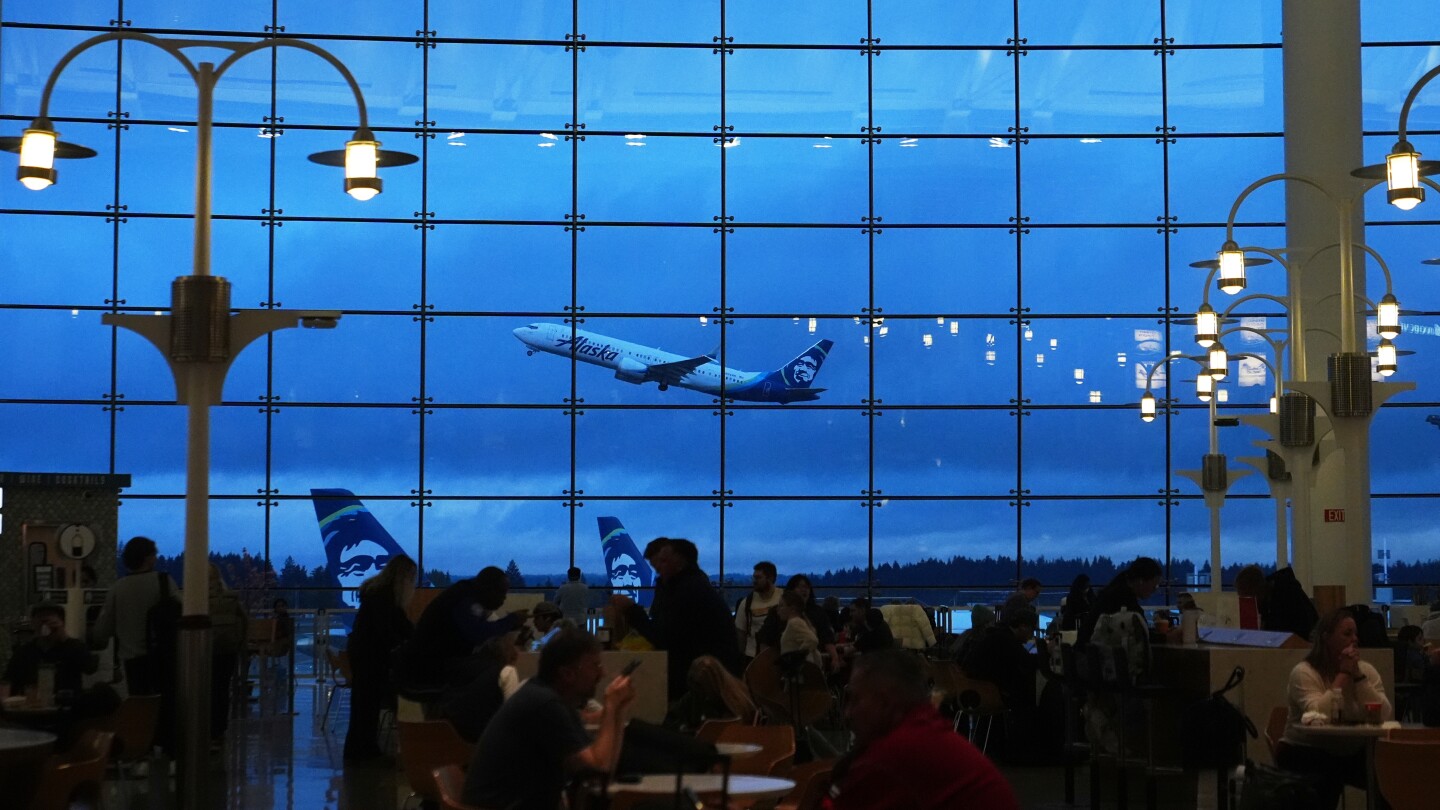
Delta and Alaska Airlines, which had added fuel stops to some flights during the disruption, announced Tuesday they were returning to normal operations while continuing to supplement the airport’s supplies with trucked-in fuel until reserves are fully replenished.
The exact volume of gasoline that leaked remains under assessment. BP has deployed containment and recovery equipment to manage the spill, reporting that no fuel has been observed outside the immediate response area.
In a separate but related development, Washington state regulators announced a $3.8 million fine against BP for a 2023 spill from the same pipeline system. The Washington Department of Ecology is seeking a total of $4.6 million from the company, including $822,000 in response costs for the earlier incident.
The 2023 spill near Conway, Washington, released approximately 25,000 gallons of fuel into nearby streams and wetlands. State officials determined the cause was a corroded carbon-steel nut on a pressure monitoring assembly. The department concluded that BP’s inspections failed to identify the component as problematic, even though it shouldn’t have been used due to corrosion vulnerability.
“As noted by the Washington Department of Ecology, our collaborative, robust response with our partners limited the affected area, reduced environmental impacts and prioritized public health,” BP said in a statement addressing the 2023 incident. The company has until December 18 to appeal the fine.
Senator Cantwell raised concerns about BP’s monitoring capabilities in a letter to the company last week, questioning why a farmer discovered the leak before the company’s own detection systems. “This is why we need strong pipeline safety oversight and better leak detection technology,” she noted.
The Olympic Pipeline has experienced multiple incidents over its operational history. Most notably, a catastrophic 1999 rupture in Bellingham, Washington, resulted in a fireball that killed three young people along a creek. That tragedy led to significant reforms in federal pipeline safety regulations.
Previous shutdowns of the pipeline have caused gas prices to spike across Washington and Oregon, highlighting the system’s importance to regional fuel supplies.
Fact Checker
Verify the accuracy of this article using The Disinformation Commission analysis and real-time sources.
