


Listen to the article
Twenty-four cities worldwide have been named winners of the 2026 Bloomberg Philanthropies Mayors Challenge, securing $1 million each to implement innovative projects that address local challenges through technology and community involvement.
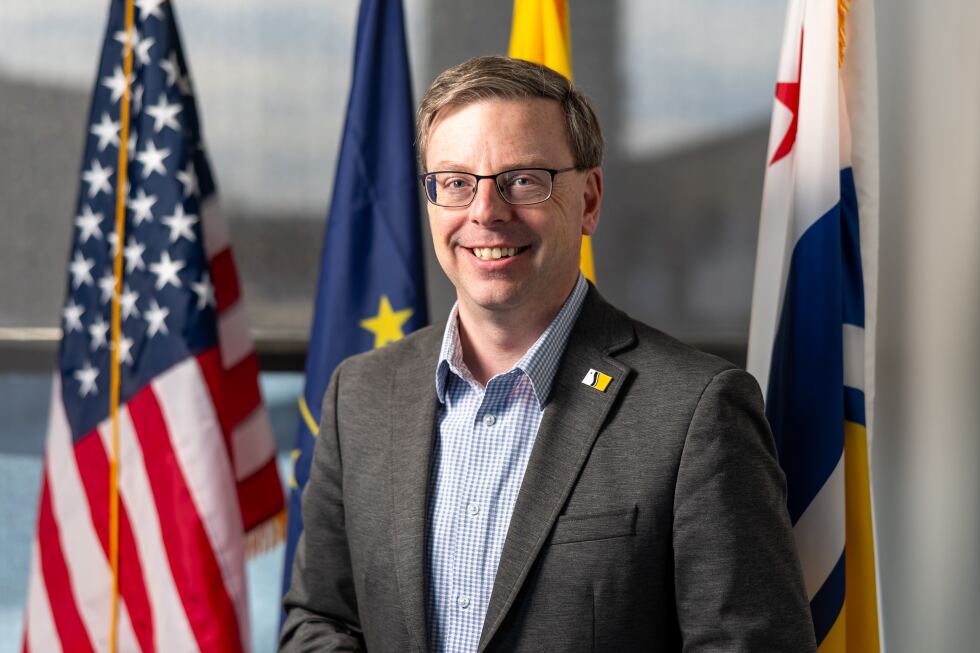
South Bend, Indiana, exemplifies this approach with its initiative using artificial intelligence to identify residents in need. The program analyzes data patterns, such as families falling behind on water bills, to proactively offer support services before problems escalate.
“Technology is not necessarily good or bad – it’s how it’s used and how you protect against abuses,” explained South Bend Mayor James Mueller. “We’re trying to use cutting-edge tools to deliver city services in a proactive way that meets our residents’ needs.”
The winning projects span diverse challenges across six continents. In Boise, Idaho, officials are harnessing geothermal energy to reduce heating costs for residents. Meanwhile, Beira, Mozambique, is relocating fishing families from flood-vulnerable coastal areas to safer inland housing.
Beyond the financial award, winners receive technical assistance from Bloomberg Philanthropies experts to maximize their initiatives’ impact and sustainability.
Former New York City Mayor Michael R. Bloomberg, who founded Bloomberg Philanthropies and Bloomberg L.P., emphasized that the program aims to identify replicable solutions: “The most effective city halls are bold, creative, and proactive in solving problems and meeting residents’ needs – and we launched the Mayors Challenge to help more of them succeed.”
James Anderson, who leads government innovation programs at Bloomberg Philanthropies, noted a significant trend among this year’s winners – the sophisticated integration of AI technology to strengthen connections between municipal governments and residents.
“Testing and learning and adapting new ideas don’t generally get funded with public dollars,” Anderson said. “It is up to philanthropy to support experimentation.”
For Pasig City in the Philippines, the recognition accelerates plans to construct floating parks on the Pasig River, creating community spaces while mitigating flooding risks. Mayor Vico Sotto acknowledged that without Bloomberg’s support, the project would have been delayed by years.
“The government doesn’t have a great reputation when it comes to maintaining infrastructure,” Sotto noted. His solution involves creating a governance council that includes local residents: “They’re not going to abandon these parks. They’re going to take care of them because they’re using them as well.”
In Lafayette, Louisiana, Mayor-President Monique Blanco Boulet faced a different challenge – the city needed to update sections of its sewer system located on private property, which municipal funds couldn’t legally cover. The Mayors Challenge process helped her administration devise a solution that will enable critical infrastructure repairs while promoting urban development.
“Bloomberg Philanthropies, the staff, Michael Bloomberg – all of them – have such a global impact in ways that most people will never know,” said Boulet, who was elected in 2023. “They bring in a level of capacity and give you the space to really be creative and to come up with solutions that can change lives.”
The timing of these initiatives is particularly significant as trust in national governments continues to decline worldwide. South Bend’s Mueller pointed out that local governments consistently rank higher in public trust surveys.
“It is critical for us to maintain that level of trust with our residents and build it even further,” Mueller said. “So that’s why we’re always looking at innovative ways of doing things better and making the city a better place to live.”
The complete list of 2026 Bloomberg Philanthropies Mayors Challenge winners represents global diversity: As-Salt, Jordan; Barcelona, Spain; Beira, Mozambique; Belfast, Northern Ireland; Benin City, Nigeria; Boise, Idaho; Budapest, Hungary; Cape Town, South Africa; Cartagena, Colombia; Fez, Morocco; Fukuoka, Japan; Ghaziabad, India; Ghent, Belgium; Kanifing, The Gambia; Lafayette, Louisiana; Medellín, Colombia; Netanya, Israel; Pasig, Philippines; Rio de Janeiro, Brazil; South Bend, Indiana; Surabaya, Indonesia; Toronto, Canada; Turku, Finland; and Visakhapatnam, India.
Fact Checker
Verify the accuracy of this article using The Disinformation Commission analysis and real-time sources.

11 Comments
Leveraging geothermal energy to reduce heating costs for residents is a smart and sustainable initiative. I’m curious to learn more about how Boise is implementing this and the potential cost savings for households.
Accessing geothermal resources can be a game-changer for cities looking to lower energy bills and emissions. It will be interesting to see if other municipalities follow Boise’s lead in this area.
Relocating fishing families in Mozambique to safer inland housing in response to flood risks is a necessary and forward-thinking adaptation to climate change impacts. This type of community-focused resiliency planning is critical.
Protecting vulnerable coastal populations from climate-related disasters is a growing challenge globally. It’s good to see Beira taking proactive steps to enhance the safety and security of its residents.
It’s great to see cities leveraging cutting-edge tools like AI to enhance their ability to support local communities. The focus on community engagement and resident input is also encouraging.
The Bloomberg Philanthropies Mayors Challenge seems to be driving some innovative uses of technology and community engagement to address local issues. I’m curious to learn more about the other winning initiatives and their potential for scale and replication.
Agreed, this type of challenge model can be a great way to surface and support impactful urban solutions. The technical assistance from Bloomberg Philanthropies will also be valuable for the cities as they work to implement their projects.
Using AI and resident input to improve city services is an innovative approach. It’s great to see cities harnessing technology to better understand and meet the needs of their communities.
Agreed, this sounds like a promising way to deliver more proactive and personalized support. The key will be ensuring proper safeguards are in place to protect privacy and prevent misuse of the data.
Proactive, data-driven approaches to identifying and assisting vulnerable residents are promising, but the ethical use of personal information will be critical. Transparency and strong privacy safeguards will be key.
Absolutely, the ethical considerations around using AI and data analytics for service delivery must be carefully navigated. Resident trust and consent should be central to these types of programs.