


Listen to the article
Black Friday traditions have evolved significantly in the era of e-commerce, with the post-Thanksgiving shopping event no longer carrying the exclusive allure it once did. Major retailers have been rolling out “Black Friday” promotions for weeks ahead of the actual day, diluting what was once a concentrated shopping experience.
Despite this evolution, industry analysts suggest the period from Black Friday through Cyber Monday still offers consumers the most substantial discounts, particularly on high-value items, seasonal products, and trending merchandise. The National Retail Federation expects holiday sales during November and December to grow between 2.5% and 3.5% over 2022, reaching between $957.3 billion and $966.6 billion.
Consumer advocacy groups emphasize that shoppers should approach these sales with caution. “Deep discounts appear throughout the year, not just during Black Friday,” says Julie Ramhold, consumer analyst at DealNews.com. “Smart consumers should research price histories using tools like CamelCamelCamel or Keepa before making purchases, especially for big-ticket items.”
The in-store shopping experience remains appealing to many consumers seeking holiday atmosphere beyond the digital realm. In response, brick-and-mortar retailers are offering in-store exclusives and door-buster deals to drive foot traffic. After remaining closed on Thanksgiving—a practice that has become more common in recent years—many national chains will reopen early on Friday morning to capitalize on Black Friday enthusiasm.
Best Buy, a leading electronics retailer, will welcome shoppers from 6 a.m. until 10 p.m., focusing on competitive pricing for high-demand tech products during what is traditionally their most significant sales period of the year.
Warehouse club Costco opens slightly later at 9 a.m., offering members access to exclusive deals on electronics, home goods, and seasonal merchandise.
Dick’s Sporting Goods has announced hours of 6 a.m. to 10 p.m., though the sporting goods retailer notes that times may vary by location, advising customers to verify specific hours with their local store.
Home improvement giants Home Depot and Lowe’s both open at 6 a.m., with Home Depot closing at regular hours (which vary by location) and Lowe’s implementing a similar strategy. These retailers typically emphasize holiday decorations, tools, and appliances during the Black Friday period.
Department stores are maintaining their tradition of early openings, with JCPenney and Kohl’s welcoming shoppers at 5 a.m., while Macy’s will open at 6 a.m. and close at 10 p.m., with some variation by location. These retailers face particular pressure this season as they compete with both online giants and specialty stores.
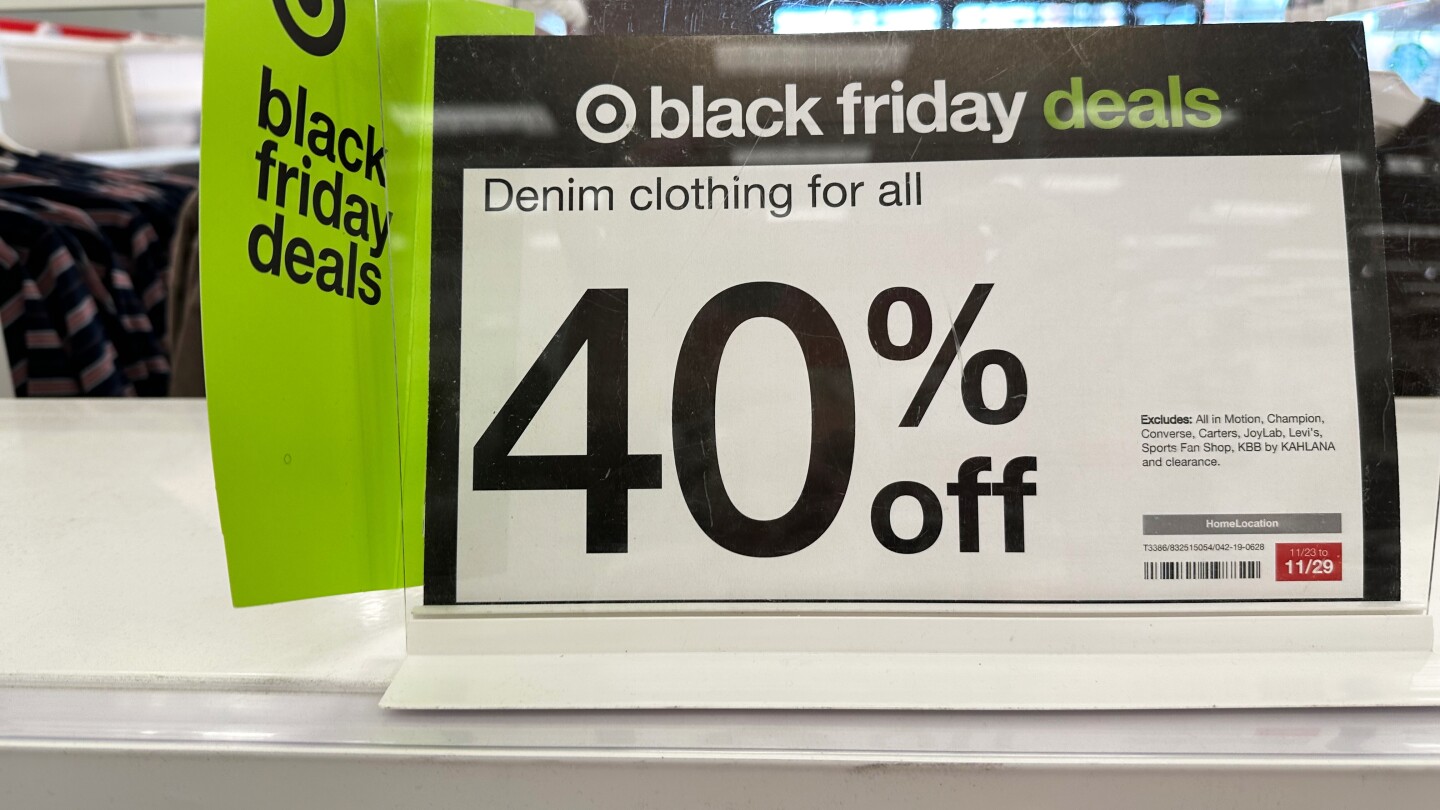
Walmart and Target, the nation’s largest mass-merchandise retailers, will both open at 6 a.m., with Target closing at its regular time and Walmart likely to remain open late or 24 hours in many locations. Both retailers have been promoting online deals for weeks but are counting on in-store traffic for additional impulse purchases.
Sam’s Club, Walmart’s warehouse division, will maintain regular business hours rather than opening early, continuing its strategy of member-exclusive deals throughout the holiday season.
The National Retail Federation reports that while online shopping continues to grow, in-store retail remains crucial to the overall shopping experience. Last year, an estimated 72.9 million people shopped in stores on Black Friday, and a similar turnout is expected this year despite economic concerns and inflation pressures.
Retail analysts note that while Black Friday has lost some of its singular importance in the retail calendar, it remains a cultural touchpoint and a significant revenue opportunity for retailers working to meet fourth-quarter sales goals in an increasingly competitive landscape.
Fact Checker
Verify the accuracy of this article using The Disinformation Commission analysis and real-time sources.

11 Comments
Interesting to see how Black Friday traditions have evolved with the rise of e-commerce. I wonder if the extended sales period has diminished some of the excitement and urgency around the actual day itself.
Good point. Retailers seem to be spreading out the deals over a longer period to stay competitive, which could take away from the unique Black Friday experience.
Retailers offering deep discounts throughout the year is an interesting development. It may dilute the significance of Black Friday, but could also be better for consumers who can shop deals year-round.
The National Retail Federation’s holiday sales forecast sounds relatively modest, given the high inflation we’ve seen. I wonder if economic uncertainty will dampen consumer spending this season.
That’s a good point. Shoppers may be more cautious with their budgets this year, focusing on necessities over discretionary purchases.
The in-store shopping experience still holds appeal for many consumers despite the convenience of e-commerce. There’s something to be said for the holiday atmosphere and social aspect of visiting physical stores.
The article mentions the importance of researching price histories before making big purchases. I agree – it’s so easy to get caught up in the hype and end up overpaying, even on supposedly discounted items.
It’s encouraging to see consumer advocacy groups advising shoppers to research prices and not just blindly chase the deepest discounts. Staying informed is key to getting real value.
Absolutely. Tools like CamelCamelCamel and Keepa can be so helpful in tracking price histories and spotting genuine deals versus just marketing hype.
I’m curious to see if any major retailers buck the trend of early Black Friday sales and stick to the traditional one-day shopping event. That could generate some buzz and excitement if done right.
It will be fascinating to see how consumer behavior and shopping habits evolve over the next few holiday seasons. The retail landscape is clearly in a state of flux, with both challenges and opportunities ahead.