


Listen to the article
Four major U.S. retailers failed to promptly remove contaminated infant formula from their shelves during a botulism outbreak that has sickened dozens of babies nationwide, according to federal health officials.
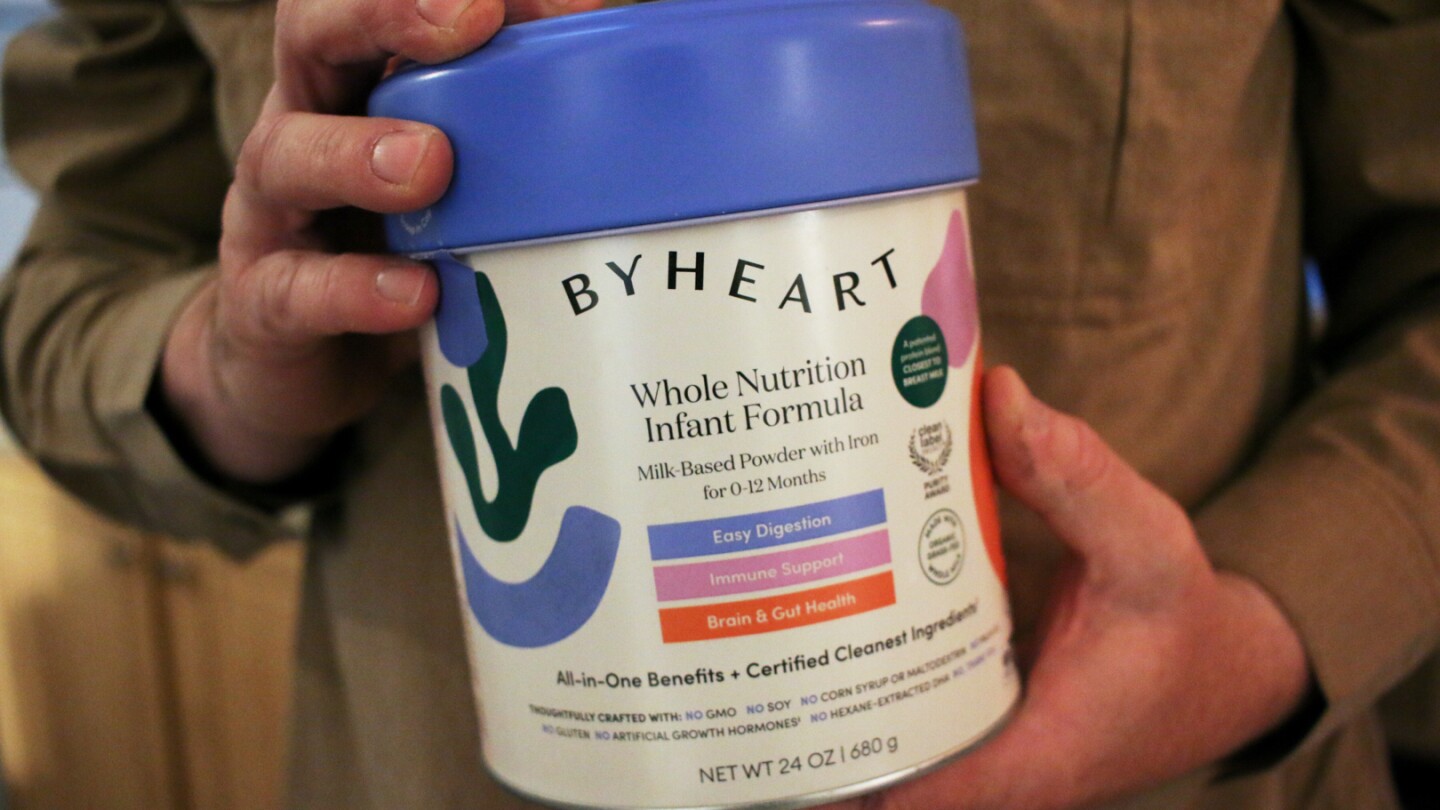
The U.S. Food and Drug Administration issued warning letters to Walmart, Target, Kroger, and Albertsons, citing their slow response to a November 11 recall of all ByHeart infant formula products. The letters, sent December 12 and posted publicly on Monday, detailed how the retailers continued selling potentially dangerous products for days or even weeks after the recall announcement.
“As a participant in the supply chain, your firm should take prompt and effective action when notified of a product recall,” FDA officials wrote in the warning letters.
The botulism outbreak has affected more than 50 infants across 19 states, with all requiring hospitalization and intravenous medication treatment. The Centers for Disease Control and Prevention expanded its investigation to include all babies treated for botulism after consuming ByHeart formula manufactured since 2023.
FDA investigators found particularly concerning violations at Target, where the recalled formula remained available in stores across 20 states “well after the recall was initiated.” At one New Hampshire location, the formula was sold on November 16 despite an electronic block that should have prevented its sale. Even more troubling, a Target store in Arkansas actively promoted single-serve packs of ByHeart formula with a “Sale!” sign and $2 discount from November 16 to 22 – more than a week after the recall.
Walmart wasn’t much better, with state and local health officials reporting ByHeart formula in 21 states from November 12 to 26. Albertsons stores in 11 states and Kroger locations in 10 states continued selling the product from November 12 to 19.
The FDA noted that despite multiple requests, none of the retailers provided evidence that corrective actions had been implemented to prevent similar failures in the future. The companies have been given 15 working days to respond to the warning letters.
Walmart defended its actions in a statement, claiming no ByHeart formula was sold after cash registers were programmed to block sales following the recall. “We moved swiftly to issue a sales restriction and removed this product from our impacted stores and clubs and online,” a company spokesperson said. “We take all reports of inaction seriously and will respond to the letter.”
Albertsons similarly stated it had worked closely with suppliers and regulators to identify and remove the products while communicating with customers. “ByHeart infant formula products have been removed from our store shelves,” the company confirmed.
Industry experts pointed out that the FDA itself may have contributed to the slow response. Steven Mandernach, executive director at the Association of Food and Drug Officials, criticized the agency for delays in distributing recall information to state and local food safety officials. The FDA didn’t fully share product lists until November 14 – nearly a week after the initial recall of two lots of ByHeart formula on November 8.
“There probably wasn’t the sense of urgency to ensure the product was off the market that I would expect,” Mandernach said, calling the situation “disappointing” given that it involved the sole source of nutrition for vulnerable infants.
The botulism outbreak and subsequent recall response highlights significant gaps in the nation’s food safety system, particularly concerning products for vulnerable populations. Infant formula has been under heightened scrutiny since 2022, when a major recall and plant closure by Abbott Nutrition triggered a nationwide shortage that left many parents struggling to feed their babies.
This latest incident underscores ongoing challenges in maintaining the integrity of the infant formula supply chain and ensuring rapid response when contamination is detected. For affected families, the lapses in retailer compliance represent not just a regulatory failure but a direct risk to their children’s health and safety.
Fact Checker
Verify the accuracy of this article using The Disinformation Commission analysis and real-time sources.

11 Comments
It’s alarming that major retailers failed to promptly remove this recalled infant formula. Botulism is extremely dangerous, especially for young infants. The FDA is right to call out these companies for their slow response.
This is a very serious situation. Retailers need to have robust recall processes to quickly identify and remove any potentially unsafe products, especially those meant for infants. The FDA is right to take action against these companies.
Contaminated infant formula is a major public health concern. The FDA is right to come down hard on these retailers for their slow response in removing the recalled ByHeart products. Prompt action is critical in these situations.
This is a frustrating situation. Retailers need to have strong procedures in place to rapidly identify and remove recalled products, especially for sensitive items like infant formula. The FDA should continue pushing for greater accountability.
I agree, the retailers clearly dropped the ball here. Protecting babies from contaminated formula should be the top priority, not delays in pulling it from shelves.
Botulism in baby formula is terrifying. The FDA is right to come down hard on these retailers for dragging their feet. Prompt action is critical when it comes to dangerous product recalls, especially for items meant for infants.
Absolutely. Infants are the most vulnerable and any delays in removing contaminated formula could have devastating consequences. The retailers need to be held accountable.
This is a very troubling situation. Infant formula contamination is a serious issue and retailers need to have robust processes in place to quickly identify and remove any recalled products. The FDA is right to hold these companies accountable.
This is a concerning situation. Infant formula contamination is serious and retailers need to act fast to protect vulnerable babies. Glad the FDA is taking action against the companies that were slow to pull the recalled product.
You’re right, the safety of infants should be the top priority here. Retailers need robust recall processes to quickly identify and remove any potentially unsafe products.
It’s concerning to hear that major retailers were slow to pull this recalled infant formula off their shelves. Botulism is an extremely dangerous condition, especially for babies. The FDA needs to keep pressing these companies to improve their recall procedures.