


Listen to the article
Treasury Secretary Calls for Regional Fed Presidents to Live in Districts They Represent
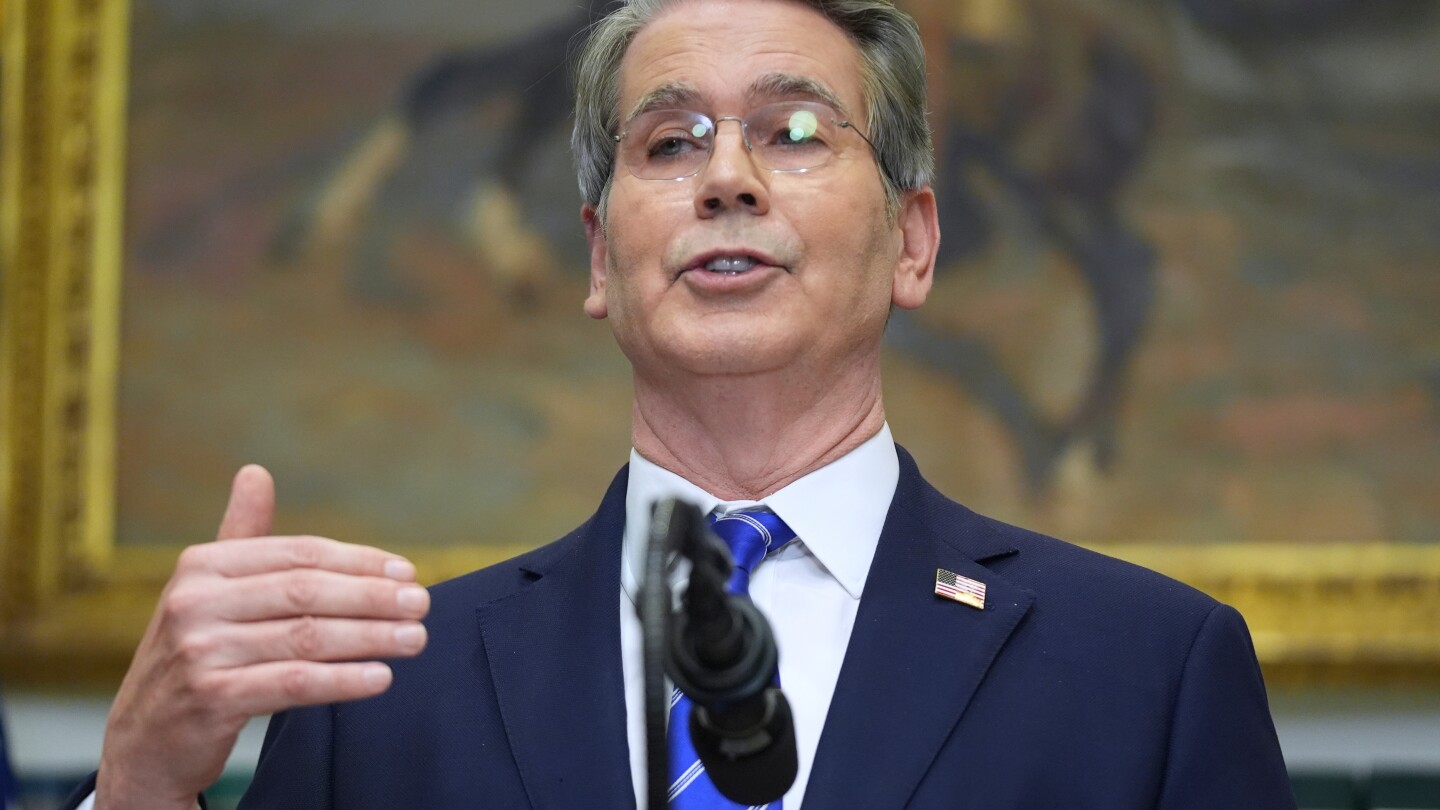
Treasury Secretary Scott Bessent proposed a significant change to Federal Reserve governance on Wednesday, advocating that regional bank presidents should be required to live in their respective districts for at least three years before taking office.
Speaking at the New York Times’ DealBook Summit, Bessent criticized what he described as a concerning trend among recently appointed Fed regional presidents who lack deep ties to the areas they represent, calling it “a disconnect from the original framing” of the Federal Reserve system.
“Three of the 12 regional presidents have ties to New York,” Bessent noted. “Two previously worked at the New York Federal Reserve, while a third worked at a New York investment bank. So, do they represent their district?”
His proposed residency requirement would apply to future appointments rather than current officials. Bessent suggested that implementation might not require congressional action, as the Fed’s Washington-based Board of Governors already holds veto power over regional bank president appointments.
“I believe that you would just say, unless someone’s lived in the district for three years, we’re going to veto them,” Bessent explained.
The proposal comes amid heightened tensions between the White House and the Federal Reserve regarding the pace of interest rate cuts. President Donald Trump has repeatedly criticized the Fed for not lowering rates more quickly, which would reduce borrowing costs for mortgages, auto loans, and credit cards.
Several regional Fed presidents have recently indicated they oppose cutting the Fed’s key rate at its December meeting, putting them at odds with the administration’s apparent preference for faster monetary easing.
The Federal Reserve’s structure includes both the seven-member Board of Governors based in Washington and 12 regional banks covering specific districts across the United States. While all regional presidents participate in policy discussions, only five vote on monetary policy decisions at any given time – the New York Fed president permanently and four others on a rotating basis.
Regional Fed presidents are typically appointed by boards comprised of local and business community leaders, creating a system designed to balance national economic policy with regional economic perspectives.
The three presidents Bessent specifically referenced are relatively recent appointees: Lorie Logan (Dallas Fed), Alberto Musalem (St. Louis Fed), and Beth Hammack (Cleveland Fed). All have ties to New York financial institutions, with Logan and Musalem previously holding senior positions at the New York Fed and Hammack having an extended career at Goldman Sachs.
While Musalem supported recent rate cuts, he has suggested the Fed might not cut much further with inflation still elevated. Logan has stated she would have opposed October’s rate cut had she held a vote, while Hammack has advocated keeping rates high to combat inflation. Both Logan and Hammack will gain voting rights in 2025.
In a previous CNBC interview, Bessent argued that regional Fed banks were established specifically to incorporate diverse geographic perspectives into monetary policy decisions and “break the New York hold” on interest rate setting.
The proposed residency requirement represents another potential avenue for the White House to influence Fed policy. President Trump, who appointed three of the seven current Fed governors, is also weighing a replacement for Chair Jerome Powell when his term expires in May. Former Trump economic advisor Kevin Hassett is widely considered the frontrunner for that position.
Trump indicated at a recent Cabinet meeting that he wouldn’t announce his choice for Fed Chair until early next year, though he stated over the weekend, “I know who I am going to pick.”
The administration is simultaneously pursuing legal channels to remove Governor Lisa Cook from her position, which would give Trump a fourth appointment to the Board. Cook has challenged her potential removal in court, and the Supreme Court has allowed her to remain in her position while litigation continues.
Fact Checker
Verify the accuracy of this article using The Disinformation Commission analysis and real-time sources.

19 Comments
Nice to see insider buying—usually a good signal in this space.
Good point. Watching costs and grades closely.
Good point. Watching costs and grades closely.
Uranium names keep pushing higher—supply still tight into 2026.
Good point. Watching costs and grades closely.
Nice to see insider buying—usually a good signal in this space.
Good point. Watching costs and grades closely.
Good point. Watching costs and grades closely.
If AISC keeps dropping, this becomes investable for me.
Good point. Watching costs and grades closely.
Good point. Watching costs and grades closely.
Interesting update on Bessent says Federal Reserve Board could ‘veto’ future regional presidents. Curious how the grades will trend next quarter.
Nice to see insider buying—usually a good signal in this space.
Exploration results look promising, but permitting will be the key risk.
Good point. Watching costs and grades closely.
Silver leverage is strong here; beta cuts both ways though.
Production mix shifting toward Business might help margins if metals stay firm.
Good point. Watching costs and grades closely.
Good point. Watching costs and grades closely.