


Listen to the article
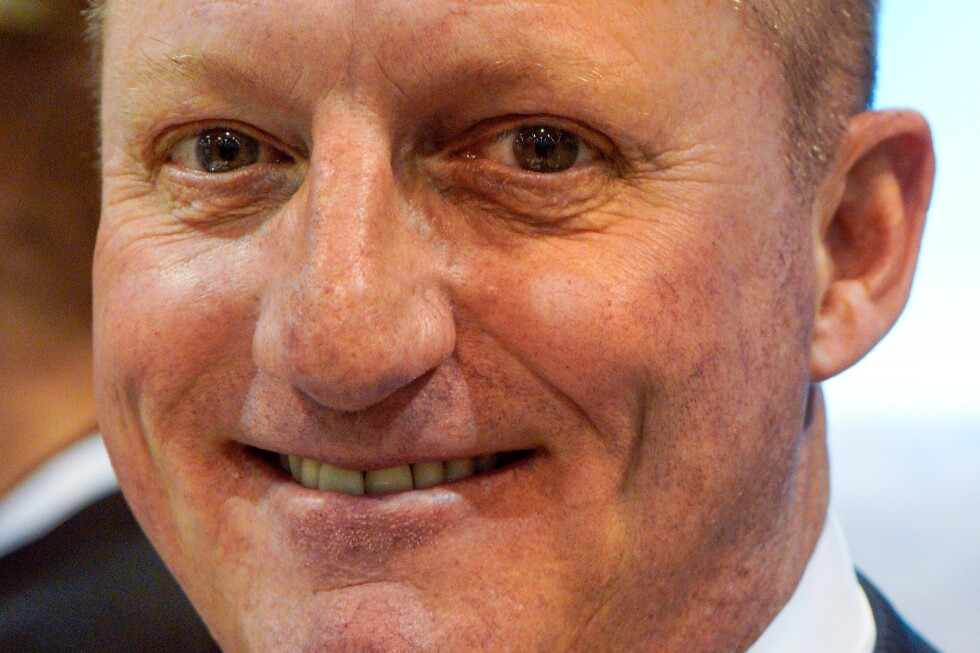
Berkshire Hathaway has begun repurchasing shares for the first time in nearly two years, as newly appointed CEO Greg Abel signaled continuity in the investment conglomerate’s strategic approach following Warren Buffett’s leadership transition.
In his first major media appearance since taking the helm in January, Abel told CNBC on Thursday that Berkshire has no immediate plans to divest its substantial Kraft Heinz holdings, particularly after the food giant shelved its previously announced plan to split into two separate companies.
“For Steve to come in and say we’re pausing it, there’s opportunities within Kraft Heinz to fix things and get the business back on track and then he’ll evaluate things. We thought that was absolutely the right approach,” Abel said, referring to Kraft Heinz’s new CEO Steve Cahillane.
Berkshire has maintained its position as Kraft Heinz’s largest shareholder since 2015, holding 325 million shares. The stake originated when Buffett and Brazilian investment firm 3G Capital orchestrated the merger between Kraft and Heinz, believing in the enduring power of the companies’ iconic consumer brands.
The investment hasn’t been without challenges, however. Buffett had previously acknowledged that Berkshire likely overpaid for its Kraft stake, noting that the competitive advantages of its brands weren’t as strong as initially anticipated. These concerns culminated in a significant $3.76 billion write-down on Berkshire’s Kraft-Heinz holdings last summer.
In a notable disclosure to the Securities and Exchange Commission, Berkshire confirmed it had resumed repurchasing its own shares on Wednesday. The company’s Class A shares responded positively to the news, gaining more than 2% to trade at $745,451.75 each on Thursday.
Abel emphasized that this buyback activity aligns with Berkshire’s longstanding approach to capital allocation. The conglomerate will continue deploying portions of its massive $373.3 billion cash reserve to repurchase shares whenever Abel and Buffett believe the stock’s intrinsic value exceeds its market price.
Demonstrating personal commitment to Berkshire’s future, Abel revealed he had invested his entire 2026 annual compensation of $15.3 million to purchase company stock. “As CEO, I absolutely obviously believe in Berkshire with the transition from Warren. And I inherited a company that has an incredible foundation. I believe in its future, the opportunities that exist there,” Abel told CNBC, adding that he plans to continue this practice throughout his tenure as chief executive.
In his debut letter to shareholders released last Saturday, Abel reassured investors that he would maintain the fundamental principles and management philosophy that Buffett established during his six-decade leadership of the company. Despite Buffett stepping down as CEO, he remains chairman and continues to be actively involved in the business, coming into the office daily to evaluate potential investment opportunities.
Abel confirmed that Berkshire will maintain its no-dividend policy, as both executives believe they can generate superior returns by reinvesting cash or conducting share repurchases rather than distributing dividends to shareholders.
Berkshire Hathaway’s diverse portfolio spans numerous industries, including major insurers like Geico, BNSF railway, consumer brands such as Dairy Queen, several utility companies, and various manufacturing, retail, and service businesses including NetJets, which offers fractional ownership of private aircraft.
The conglomerate’s decision to resume share buybacks signals confidence in its intrinsic value under Abel’s leadership, while his commitment to maintaining Buffett’s approach provides continuity for shareholders during this significant transition period for one of the world’s most closely watched investment companies.
Fact Checker
Verify the accuracy of this article using The Disinformation Commission analysis and real-time sources.

8 Comments
Berkshire’s buybacks and continued backing of Kraft Heinz suggest they still see value in the consumer brands, despite the integration issues. The pause on the split could give the new leadership team runway to optimize the business model. It will be interesting to track Kraft Heinz’s turnaround efforts.
Agreed, Berkshire’s actions indicate they believe Kraft Heinz can be turned around. The new CEO will have a chance to put their stamp on the company and demonstrate whether the iconic brands can regain their luster.
Berkshire resuming buybacks is a bullish signal, though their Kraft Heinz stake has been a headache. Still, Buffett’s team must see value in the consumer brands that merits their continued support. I wonder if the pause on the split allows them to better optimize the business.
Berkshire’s buyback move signals confidence in their portfolio, especially given the Kraft Heinz position. The consumer brands seem to have enduring appeal, though the integration hasn’t been easy. Curious to see if the pause on the split unlocks new opportunities.
You raise a good point. Kraft Heinz’s iconic brands could still be valuable if the new leadership can execute a turnaround. Berkshire likely sees room for improvement, which is why they’re holding on.
Interesting to see Berkshire Hathaway resume buybacks. Buffett’s conglomerate has a long history of savvy investments, so their decision to hold on to Kraft Heinz is noteworthy. I wonder if the food giant can turn things around and unlock more value for shareholders.
Yes, Berkshire’s continued support for Kraft Heinz suggests they still see potential in the business. It will be intriguing to see how the new CEO approaches the company’s strategy.
Berkshire’s buyback move underscores their confidence, even with the Kraft Heinz challenges. The food giant’s iconic brands still seem to hold promise, so the pause on the split could allow the new CEO to focus on unlocking that potential. Curious to see what strategic changes they pursue.