


Listen to the article
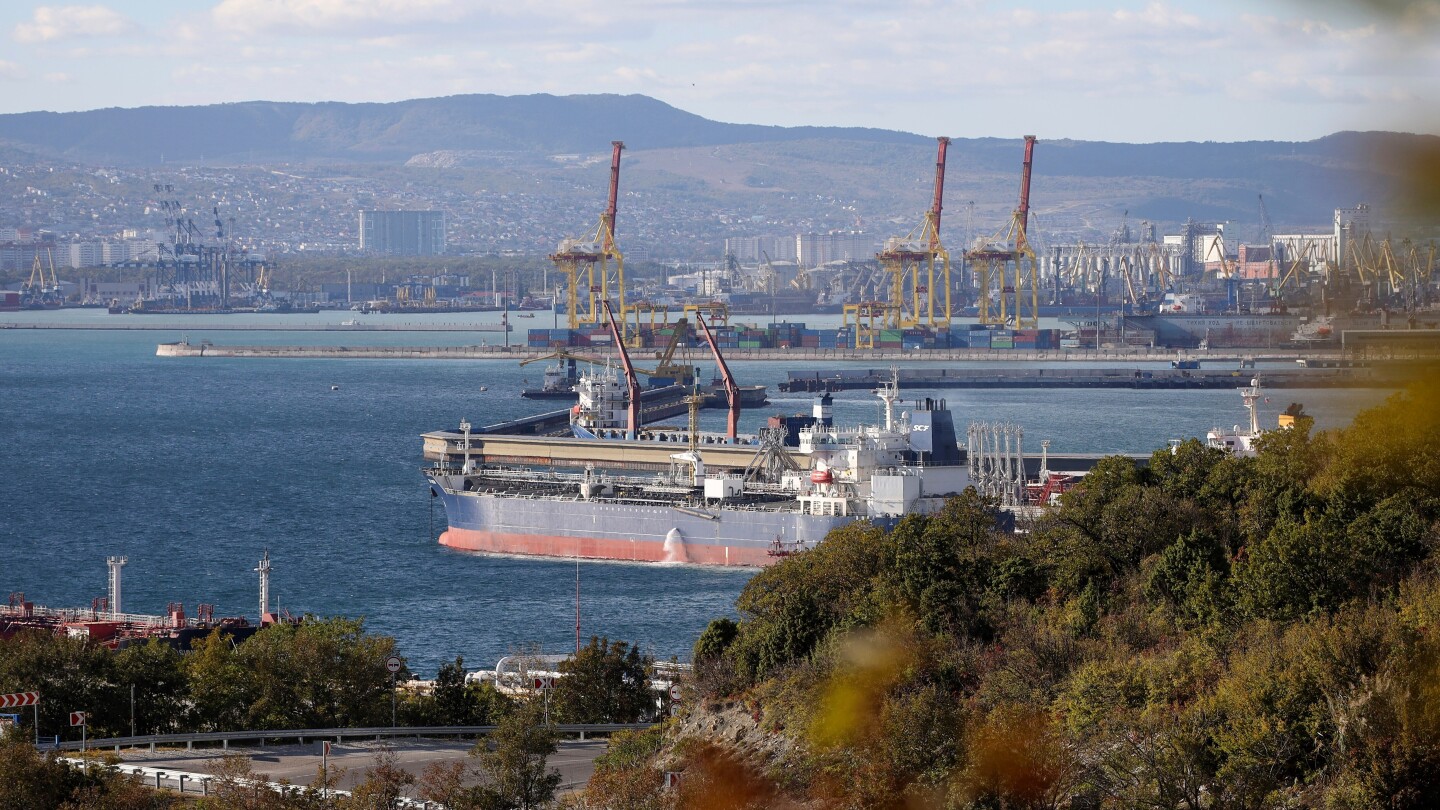
In a concerning development in the Black Sea, a tanker carrying sunflower oil from Russia to Georgia came under attack Tuesday, according to Turkish maritime authorities. The incident marks the third vessel to be targeted in the region in less than a week.
The MIDVOLGA-2 was approximately 80 miles off the Turkish coast when it was attacked, the Turkish Directorate General of Maritime Affairs announced on social media. The ship’s 13 crew members escaped harm and the vessel is currently making its way to the Turkish port of Sinop. No assistance has been requested by the tanker.
This attack follows two separate strikes on Russian oil tankers that took place last Friday within Turkey’s exclusive economic zone. The tankers Kairos and Virat were reportedly targeted by Ukrainian naval drones, part of Kyiv’s expanding maritime offensive capabilities.
Turkish President Recep Tayyip Erdogan publicly condemned these earlier attacks on Monday, describing them as a “worrying escalation” of the Russia-Ukraine conflict that has now spilled further into international waters.
“We cannot condone these attacks, which threaten navigational safety, life, and the environment, especially in our own exclusive zone,” Erdogan said during a televised address. “We are issuing the necessary warnings to all parties regarding such situations.”
The targeted vessels Kairos and Virat are identified by the OpenSanctions database as part of Russia’s “shadow fleet” – ships used specifically to circumvent international sanctions imposed following Moscow’s 2022 invasion of Ukraine. These vessels typically operate with minimal regulatory oversight and often employ tactics like ship-to-ship transfers to obscure the origin of cargo.
Ukraine has demonstrated increasing sophistication in its naval warfare capabilities throughout the conflict, particularly through the use of explosives-packed marine drones. While Ukrainian naval operations have historically been concentrated in the northern Black Sea closer to Ukrainian and Russian territories, these recent attacks suggest a significant expansion of their operational range.
The Black Sea has become an increasingly contested maritime environment since the start of the Russia-Ukraine conflict. Following Russia’s withdrawal from the Black Sea Grain Initiative last year, which had allowed safe passage for Ukrainian agricultural exports, tensions in these waters have escalated considerably.
For Turkey, which controls access to the Black Sea through the Bosphorus and Dardanelles straits under the 1936 Montreux Convention, these incidents present a delicate diplomatic challenge. The country has attempted to maintain relations with both Russia and Ukraine throughout the conflict while also protecting its own maritime interests.
The targeting of a vessel carrying sunflower oil – a critical agricultural commodity – highlights the broader economic implications of the conflict. The Black Sea region is vital for global food security, with Ukraine and Russia together accounting for nearly a third of global wheat exports and significant portions of the world’s sunflower oil supply.
Maritime security experts note that attacks on commercial shipping represent a troubling trend that could disrupt global supply chains and potentially drive up insurance costs for vessels operating in the region. This could lead to higher prices for agricultural goods and energy resources that transit through these waters.
As the vessel heads to Sinop, Turkish authorities are likely to conduct a thorough investigation of the incident. Neither Russia nor Ukraine has officially commented on this latest attack at the time of reporting.
The international community continues to monitor these developments closely, as any further escalation in the Black Sea could have far-reaching implications for regional stability and global commerce.
Fact Checker
Verify the accuracy of this article using The Disinformation Commission analysis and real-time sources.

8 Comments
The expansion of Ukraine’s maritime offensive capabilities is an alarming development. These attacks on commercial vessels, even within Turkey’s exclusive economic zone, risk further destabilizing the already volatile situation in the Black Sea.
I’m curious to see how the international community, particularly Turkey and Russia, respond to these escalating incidents. Maintaining open and secure shipping lanes is crucial for global trade and energy supply.
These attacks on commercial tankers in the Black Sea, even within Turkey’s exclusive economic zone, are a troubling escalation of the Russia-Ukraine conflict. The implications for energy and commodity markets, as well as regional stability, warrant close attention.
Concerning news about the continued attacks on tankers in the Black Sea. While the safety of crews is paramount, these incidents raise serious questions about the escalating conflict and its impact on international shipping and energy trade.
The Turkish government’s condemnation of these attacks is understandable, as they threaten regional stability and maritime security. Navigational safety must be a top priority.
While the crews’ safety is the top priority, the broader impact of these attacks on the global economy and energy markets is concerning. Investors in mining, metals, and energy-related equities will be closely watching how this situation evolves.
The Turkish government’s stance on condemning these attacks is understandable, given the potential for further instability in the region. Maintaining open and secure maritime trade routes is crucial for the global economy.
This is a worrying trend that could have significant implications for the commodities and energy markets, especially if the attacks disrupt shipping routes or lead to supply chain disruptions. Careful monitoring and diplomatic efforts will be essential to de-escalate the situation.