


Listen to the article
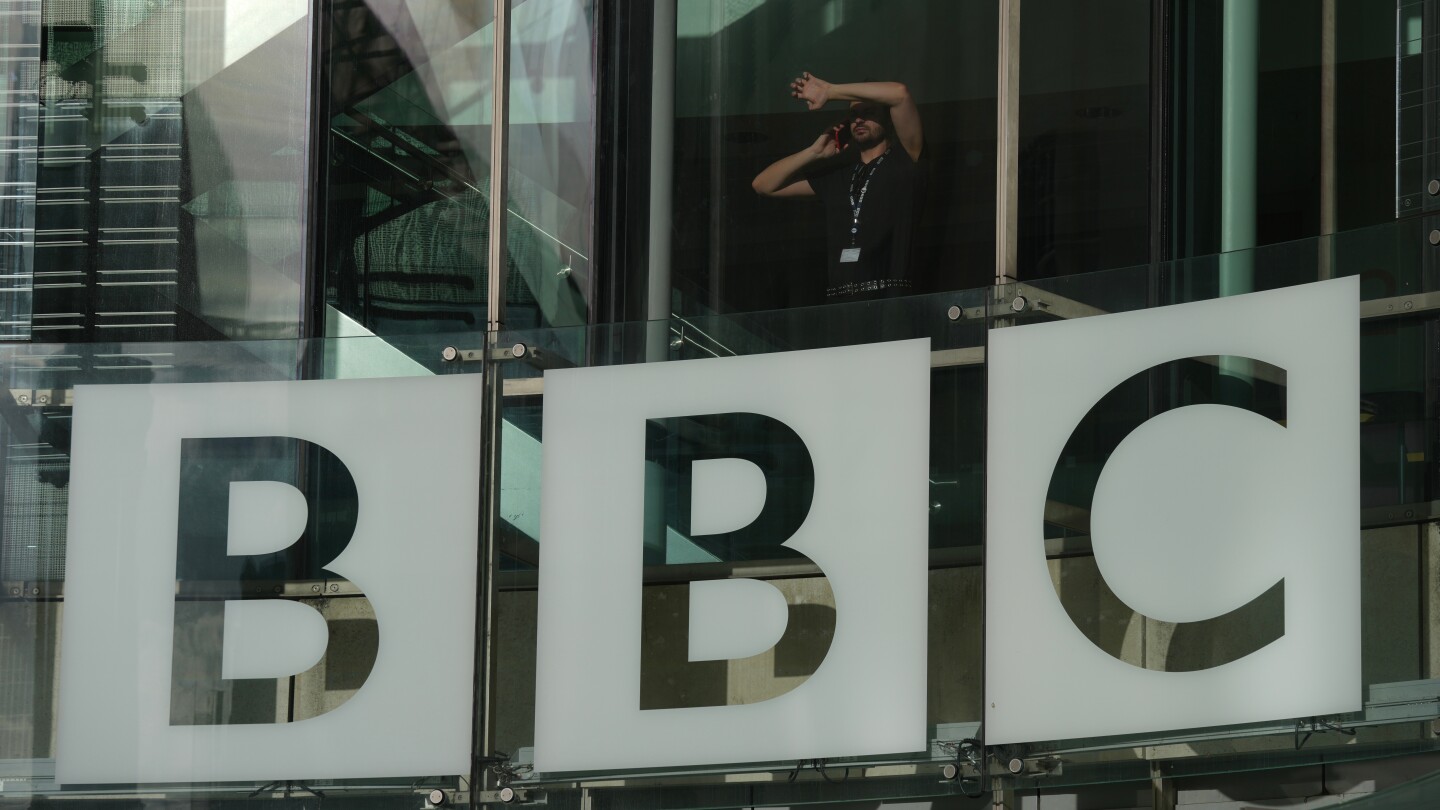
The BBC has issued a public apology to President Donald Trump over a misleading edit of his January 6, 2021, speech, while maintaining it “strongly disagreed there is a basis for a defamation claim.” This controversy marks the latest in a series of challenges for Britain’s public broadcaster, which is now facing both a leadership crisis and potential legal action.
The turmoil at the broadcaster intensified last week with the resignation of both Director General Tim Davie and Head of News Deborah Turness following what the BBC described as an “error of judgment” in the editing of Trump’s speech. Their departures came amid mounting scrutiny after the right-leaning Daily Telegraph published parts of an internal dossier on November 3 that criticized various aspects of BBC coverage.
At the heart of the controversy is an episode of the BBC’s flagship current affairs program “Panorama” titled “Trump: A Second Chance?” which aired shortly before the 2024 U.S. presidential election. The documentary, produced by a third-party production company, spliced together three quotes from two different sections of Trump’s January 6, 2021, speech, creating what appeared to be a single statement in which Trump urged supporters to march with him and “fight like hell.”
Critics argue this editing made it appear as though Trump was directly encouraging his supporters to storm the U.S. Capitol as Congress was certifying Joe Biden’s 2020 election victory. The revelation sparked immediate backlash from opponents of the BBC, who cited it as evidence of what they consider the organization’s liberal bias.
The BBC initially responded with minimal comment, stating it did not respond to leaked reports—a strategy many observers considered a misstep that allowed critics to control the narrative surrounding the editing controversy.
On Thursday evening, the BBC finally issued a formal apology to Trump, with Chair Samir Shah personally sending a letter to the White House expressing regret for the misleading edit. However, the corporation has indicated it will not pay compensation, setting the stage for potential legal action.
Trump, speaking to reporters aboard Air Force One en route to Florida, declared his intention to proceed with litigation despite the apology: “We’ll sue them for anywhere between a billion and $5 billion, probably sometime next week.” He added, “I think they defrauded the public and they’ve admitted it.”
The former president also claimed he would soon speak with British Prime Minister Keir Starmer, noting, “He actually put a call into me. He’s very embarrassed. The UK is very, very embarrassed by BBC, what they did.”
Legal experts have expressed skepticism about Trump’s chances of success in either British or American courts. They suggest the BBC could argue that Trump suffered no meaningful harm, given his subsequent election victory in 2024. Nevertheless, Trump has secured lucrative settlements from U.S. media companies in the past and could potentially leverage this incident for a settlement, possibly benefiting a charity of his choice.
Beyond the immediate controversy, this crisis poses significant challenges for the BBC’s future. As a public broadcaster funded by an annual license fee of £174.50 ($230) paid by all UK households that watch live television or BBC content, the organization is mandated to maintain impartiality in its news coverage—a requirement that frequently generates criticism from across the political spectrum.
The BBC now faces the dual challenge of appointing new leadership and negotiating its future with the government. The current governing charter expires at the end of 2027, and Culture Secretary Lisa Nandy has promised to ensure the BBC is “sustainably funded and commands the public’s trust,” though she has not specified whether the license fee funding model will remain intact.
As the BBC navigates this crisis, its newsrooms will likely face intensified scrutiny, with critics quick to highlight any perceived errors or biases in coverage. The organization’s ability to restore public trust while maintaining its journalistic independence will be crucial to weathering this storm and securing its future as one of the world’s most recognized public broadcasters.
Fact Checker
Verify the accuracy of this article using The Disinformation Commission analysis and real-time sources.

22 Comments
Misleading edits are a serious breach of journalistic integrity, so the BBC is right to apologize. But the broader issues around their coverage and leadership need to be addressed thoroughly.
It will be important for the BBC to conduct a thorough review of their editorial processes to ensure this kind of error doesn’t happen again.
The BBC’s apology to Trump is a concerning development, but the broader questions around their coverage and leadership seem to be the bigger concern. Transparency and accountability will be key as they work to rebuild trust.
This crisis underscores the importance of public broadcasters maintaining the highest standards of accuracy and impartiality, even in the face of intense political scrutiny and partisan attacks.
The BBC’s apology to Trump is a concerning development, but the broader issues around their coverage and leadership seem to be the bigger concern. They’ll need to take a hard look at their editorial processes and decision-making.
This crisis could have significant implications for the BBC’s reputation and funding. They’ll need to demonstrate a clear commitment to rebuilding trust with their audience.
The BBC’s troubles highlight the challenges that public broadcasters face in maintaining credibility in an increasingly polarized media landscape. Rebuilding trust will require a concerted effort.
It will be interesting to see if this incident leads to broader reforms at the BBC to strengthen their editorial independence and commitment to factual reporting.
Editing speeches in a misleading way is a serious breach of journalistic ethics. The BBC was right to apologize, but the broader questions around their coverage and leadership need to be addressed.
This crisis could have significant implications for the BBC’s reputation and funding. They’ll need to demonstrate a commitment to transparency and accountability to move forward.
This seems like a complex issue with the BBC facing a leadership crisis and potential legal action. It will be interesting to see how they navigate the fallout from the misleading edit of Trump’s speech and the broader scrutiny of their coverage.
The BBC’s credibility is on the line here, and they’ll need to take steps to rebuild trust with their audience. Transparent and accountable reporting will be key.
The BBC’s challenges highlight the importance of maintaining high standards of accuracy and impartiality in public broadcasting. They have a lot of work ahead to regain the public’s trust.
This situation underscores the fragility of media institutions in the face of intense political scrutiny and partisan attacks. The BBC will need to be vigilant in defending its editorial independence.
Misleading edits of political speeches are a serious breach of journalistic ethics, and the BBC was right to apologize. But the broader issues around their coverage and leadership need to be addressed more thoroughly.
This crisis could have significant implications for the BBC’s funding and relationship with the government. They’ll need to navigate this carefully to preserve their editorial independence.
Misleading edits are a serious breach of journalistic ethics, and the BBC was right to apologize. But the broader questions around their coverage and leadership need to be addressed more thoroughly.
This crisis underscores the importance of public broadcasters maintaining the highest standards of accuracy and impartiality, even in the face of intense political scrutiny.
The BBC’s handling of this situation raises questions about their editorial independence and commitment to factual reporting. Rebuilding trust will require a comprehensive review of their practices and decision-making.
This crisis underscores the fragility of public media institutions in a polarized political environment. The BBC will need to find ways to insulate themselves from undue influence and partisan attacks.
The BBC’s apology to Trump is a concerning development, but the broader issues around their coverage and leadership seem to be the bigger concern. Transparency and accountability will be key moving forward.
This crisis could have significant implications for the BBC’s funding and relationship with the government. They’ll need to navigate this carefully to preserve their independence.