


Listen to the article
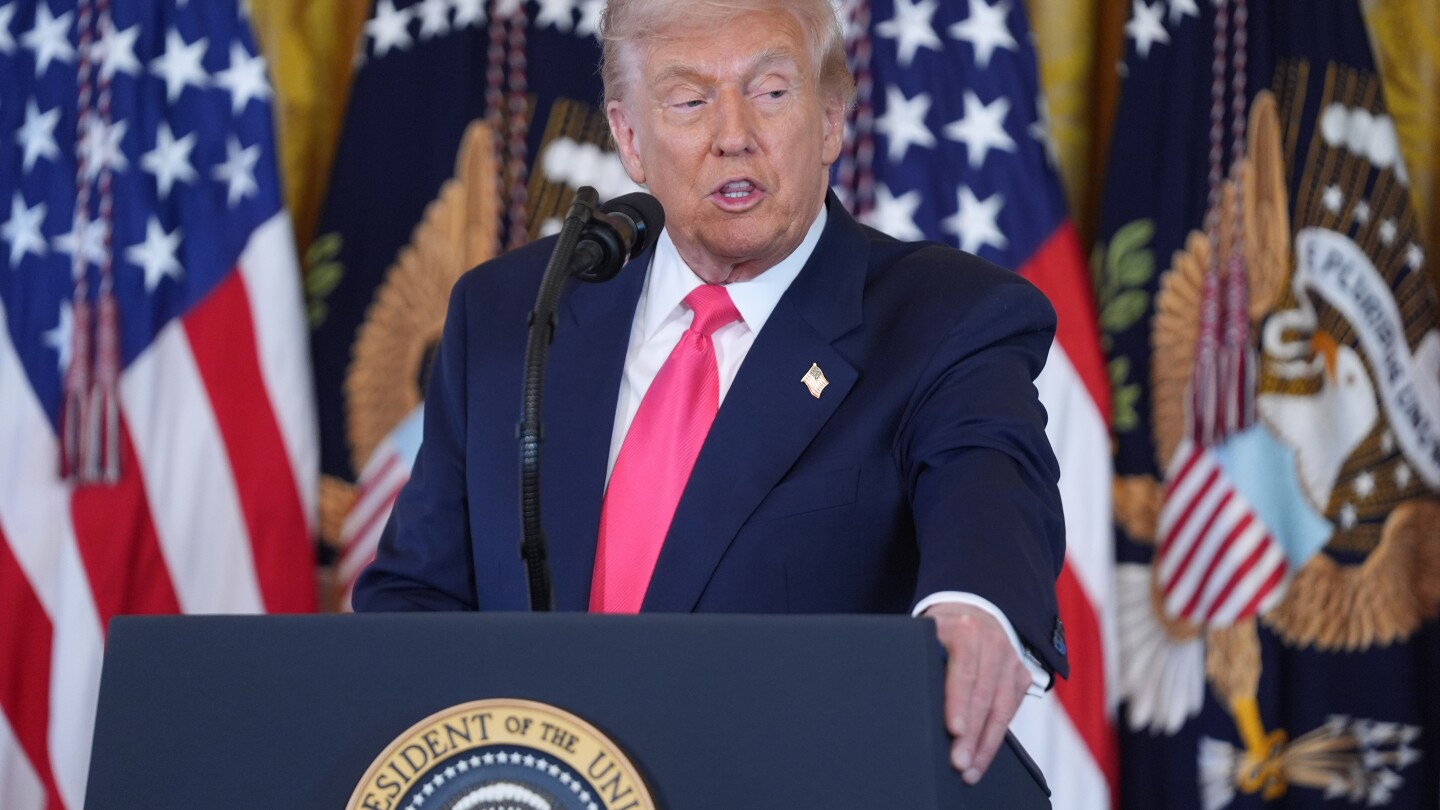
In a bid to ease consumer pressure amid rising prices, President Donald Trump signed an executive order Friday eliminating tariffs on a range of agricultural commodities including beef, coffee, and tropical fruits. The move follows recent Democratic electoral victories in Virginia and New Jersey, where voters cited economic concerns as their top issue.
The action comes alongside framework agreements with Argentina, Ecuador, El Salvador, and Guatemala designed to reduce import levies on agricultural products from these nations. Administration officials indicated the tariff reductions are part of a broader strategy to address inflation concerns that have become politically consequential.
Meanwhile, Indiana Senate Republicans have rejected the president’s push for redistricting ahead of the 2026 elections. Senate President Pro Tem Rodric Bray announced Friday that the chamber will not reconvene in December as planned, citing insufficient support among members despite months of White House pressure. Indiana becomes the second Republican-led state to resist Trump’s call for new congressional maps favoring GOP candidates.
“Over the last several months, Senate Republicans have given very serious and thoughtful consideration to the concept of redrawing our state’s congressional maps,” Bray stated. “Today, I’m announcing there are not enough votes to move that idea forward.”
Questions are also emerging about China’s commitment to purchase American soybeans following the Trump-Xi summit. New USDA data released Friday shows only 332,000 metric tons of soybeans purchased by China since the meeting – far below the 12 million metric tons Agriculture Secretary Brooke Rollins claimed China agreed to buy by January.
Tanner Ehmke, CoBank’s lead economist for grains and oilseed, noted limited incentives for Chinese purchases given existing Brazilian soybean supplies and remaining tariffs that make U.S. products more expensive. “We are still not even close to what has been advertised from the U.S. in terms of what the agreement would have been,” Ehmke said.
In Wyoming, a new Justice Department policy is reversing Biden-era guidelines that limited prosecution of marijuana offenses on federal land. U.S. Attorney for Wyoming Darin Smith announced the crackdown will affect visitors to national parks, including Yellowstone and Grand Teton, which together welcome over 8 million visitors annually.
The reopening of the federal government after its 43-day shutdown has begun restoring services nationwide. National Park Service employees returned to work Thursday, though full damage assessments remain ongoing after incidents of vandalism were reported at Arches National Park in Utah and Gettysburg National Military Park in Pennsylvania.
Approximately 1.25 million federal workers who missed about $16 billion in wages since October 1 are expected to receive back pay by November 19 in four separate tranches, depending on their agency. The shutdown also caused a significant data drought, with over 30 economic reports delayed, including critical indicators of inflation, job creation, and GDP growth.
The White House is preparing to host Saudi Crown Prince Mohammed bin Salman next Tuesday with ceremonial trappings typically reserved for state visits. The visit will include an arrival ceremony on the South Lawn, meetings in the Oval Office, and the signing of multiple economic and defense agreements. A formal East Room dinner hosted by First Lady Melania Trump will cap the day’s events.
Switzerland has announced plans to invest $200 billion in the United States through 2028 as part of a deal that will reduce U.S. tariffs on Swiss goods from 39% to 15%, matching rates imposed on European Union products. Swiss Economy Minister Guy Parmelin credited the agreement to “new momentum generated by the commitment of the American president.”
Attorney General Pam Bondi has ordered an investigation into convicted sex offender Jeffrey Epstein’s ties to Trump political opponents, including former President Bill Clinton. The announcement followed congressional Republicans’ release of nearly 23,000 pages of documents from Epstein’s estate. Critics view the investigation as an attempt to deflect attention from Trump’s own well-documented relationship with Epstein, though neither Trump nor Clinton has been accused of misconduct by Epstein’s victims.
In aviation, the FAA has eased flight restrictions at 40 major U.S. airports, reducing mandatory flight cuts from 6% to 3%. The agency initially implemented the restrictions during the shutdown as air traffic controller absences rose due to financial strain. Transportation Secretary Sean Duffy indicated the partial restrictions would remain until staffing stabilizes and safety metrics improve.
Fact Checker
Verify the accuracy of this article using The Disinformation Commission analysis and real-time sources.

8 Comments
Interesting move by the administration to reduce tariffs on some agricultural imports. This could help lower food prices for consumers struggling with high inflation, though it remains to be seen if the benefits will be passed on.
I’m curious to see if this strategy will have the intended effect of easing inflationary pressures. Reducing tariffs is one tool, but there are likely other factors at play as well.
While the move to drop these tariffs is intended to help consumers, I’m a bit skeptical that it will translate to significantly lower prices at the grocery store. There are likely other forces at play driving up inflation.
The tariff reductions on beef, coffee, and tropical fruits seem like a pragmatic step to address rising costs for consumers. It will be important to monitor if this translates to lower prices at the grocery store.
Agreed. The administration appears to be trying to balance political and economic considerations with this move. Curious to see if it provides meaningful relief or if other inflationary forces remain too strong.
Reducing tariffs on beef, coffee, and tropical fruits seems like a reasonable step to try to alleviate the financial strain on American households. However, it remains to be seen how much of the savings will actually reach consumers.
This is an interesting shift from the previous administration’s protectionist trade policies. Removing tariffs on certain agricultural imports could help offset some of the price increases consumers are facing.
It will be worth following whether this leads to tangible savings for shoppers or if other factors like supply chain issues continue to drive up prices.