


Listen to the article
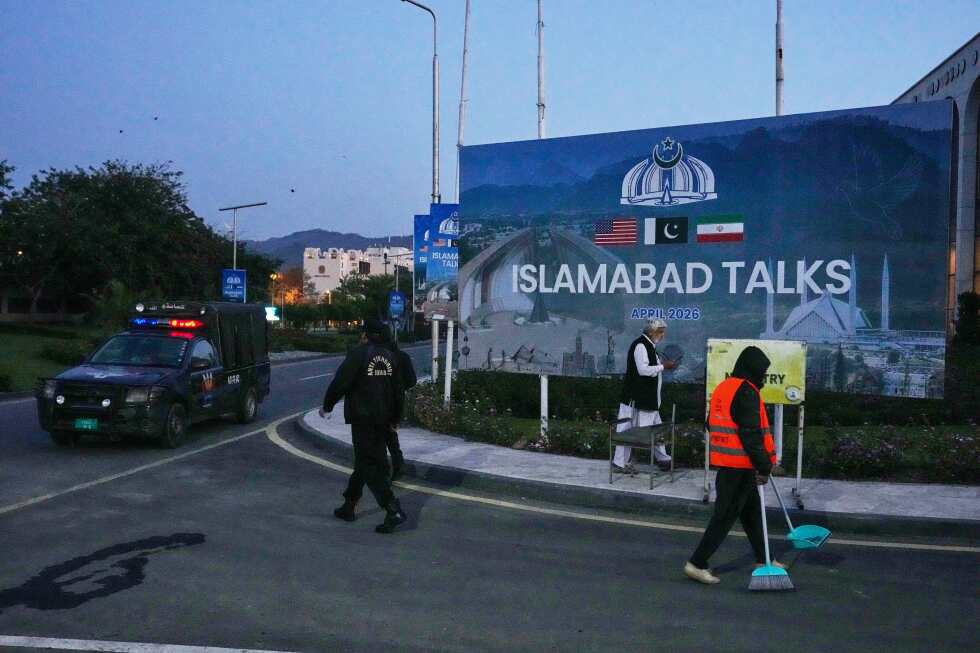
Iranians reacted with mixed emotions Sunday after peace negotiations between Iran and the United States collapsed, leaving the future of a fragile ceasefire in doubt. The high-stakes talks in Pakistan ended without agreement after 21 hours of intense diplomacy.
U.S. officials attributed the breakdown to Iran’s unwillingness to abandon its nuclear program, while Iranian representatives blamed American negotiators without specifying particular points of contention. The failure raises concerns about the future of the two-week ceasefire scheduled to expire on April 22.
In Tehran, citizens expressed disappointment tinged with defiance as they processed the news. Many residents were reluctant to speak openly to foreign media, reflecting the tense atmosphere in a country that has experienced a digital blackout for more than a month since the conflict began on February 28. Most Iranians now rely exclusively on state-controlled media for information, with only a limited number having access to international satellite television channels.
“I’m against war. I think negotiation is the better path,” said Farhad Simia, 43, speaking to The Associated Press outside a Tehran newsstand. Despite hoping for successful talks, he blamed “inappropriate demands” from the U.S. for the impasse.
Fellow Tehran resident Mehdi Hosseini expressed concern that diplomatic concessions might undermine Iran’s perceived battlefield advantages. “Whether the talks succeed or not is one matter, but the fact that the Iranian negotiating team managed to preserve what it achieved in the war, while refusing to back down and surrender, gives reason for hope,” the 43-year-old said.
Throughout the capital, large Iranian flags and propaganda billboards dominate public spaces, celebrating the country’s leaders and military achievements. One prominent display shows Iranian servicemen hauling a net from the sea filled with miniature American military aircraft and warships, bearing the caption “The Strait Remains Closed” – a reference to Iran’s strategic control of the vital Strait of Hormuz.
This waterway has become a central flashpoint in the conflict. Hamid Haghi, 55, characterized American intentions as overreaching, saying the U.S. wants “to come to the Strait of Hormuz, which is a legacy from our fathers. We can oversee it ourselves.”
Iran’s blockade of this crucial maritime chokepoint has effectively isolated Persian Gulf oil and gas exports from global markets, triggering sharp increases in energy prices worldwide and causing significant economic disruption.
The human toll of the conflict continues to mount. Since the U.S. and Israel initiated military action against Iran in late February, at least 3,000 people have died in Iran, with an additional 2,020 casualties in Lebanon, 23 in Israel, and more than a dozen in Gulf Arab states. The war has also caused extensive infrastructure damage across multiple Middle Eastern countries.
Many ordinary Iranians maintain a resolute stance despite the diplomatic setback. Mohammad Bagher, 60, emphasized his country’s preference for dialogue while expressing determination to resist external pressure. “We are a nation of dialogue and negotiation as long as our interests are respected. We have never sought war,” he insisted. “We will stand firm to the end, we are ready to sacrifice our lives, and will not give them one inch of our land.”
The information vacuum created by Iran’s internet restrictions has complicated efforts to gauge true public sentiment. The government-imposed digital blackout, implemented shortly after hostilities began, has left many Iranians isolated from independent news sources and international perspectives on the conflict.
As the ceasefire deadline approaches, regional observers remain concerned about potential escalation if diplomatic efforts cannot be revived. While the current pause in major hostilities appears to be holding, the fundamental disagreements that derailed the Pakistan talks suggest a durable peace agreement remains elusive.
Fact Checker
Verify the accuracy of this article using The Disinformation Commission analysis and real-time sources.

16 Comments
Disappointing to see the peace talks fail, but it’s not surprising given the longstanding tensions. Hopefully both sides can find a way to compromise and avoid further escalation.
Agreed. The nuclear issue remains a major sticking point, but there must be room for diplomatic solutions if both parties are willing to negotiate in good faith.
This is a frustrating development, but it’s important to remember that diplomacy is a complex and often fragile process. Both the US and Iran need to be willing to make concessions and find common ground if a lasting peace is to be achieved.
Absolutely. The stakes are high, but with good-faith negotiations and a genuine commitment to compromise, I believe a solution can be found that addresses the core concerns of all involved.
This is a complex geopolitical situation with no easy answers. While the nuclear program is a major sticking point, the wellbeing of the Iranian people must be the top priority. I hope the negotiators can find a way to bridge their differences and reach an agreement that addresses the concerns of all parties involved.
Well said. Maintaining open lines of communication and a willingness to compromise will be essential if a lasting peace is to be achieved. I hope both sides can approach the next round of talks with renewed determination and a spirit of goodwill.
The Iranian people seem understandably frustrated, caught in the middle of this geopolitical dispute. While defiance is understandable, I hope cooler heads can prevail and a lasting peace can be achieved.
Absolutely. It’s the civilians who suffer the most when negotiations break down. All sides need to prioritize the wellbeing of the Iranian people.
The frustration and defiance expressed by Iranians is understandable, but further escalation will only lead to more hardship. I hope the US and Iran can find a way to move past their differences and reach a mutually acceptable agreement.
This is a disappointing development, but it’s important to remember that the path to peace is rarely a straight line. Both sides need to be willing to make concessions and find creative solutions that address the core concerns of all parties involved.
You’re right. Maintaining open dialogue and a willingness to compromise will be essential if a lasting peace is to be achieved. I hope the negotiators can regroup and find a way forward.
The collapse of these talks is disappointing, but not entirely unexpected given the longstanding tensions between the US and Iran. I hope both sides can regroup, refocus on the needs of the Iranian people, and find a way to move the process forward in a constructive manner.
This is a complex issue without easy answers. The US and Iran both have valid concerns, but continued confrontation will only prolong the suffering. I hope both sides can find a path forward that addresses the core issues.
The failure of these talks is deeply concerning, as it raises the risk of further conflict. While the nuclear issue is central, the human impact on the Iranian people must be the top priority. I hope all parties can return to the negotiating table with renewed determination to find a peaceful solution.
The collapse of the peace talks is deeply concerning. While the nuclear program is a major point of contention, the wellbeing of the Iranian people should be the top priority. I hope the ceasefire can be extended to allow more time for negotiations.
Agreed. Maintaining open communication channels, even in the face of disagreement, is crucial. With goodwill and compromise on both sides, a peaceful resolution may still be possible.