


Listen to the article
Indian Government Refutes Viral Video Falsely Claiming Civil War Situation
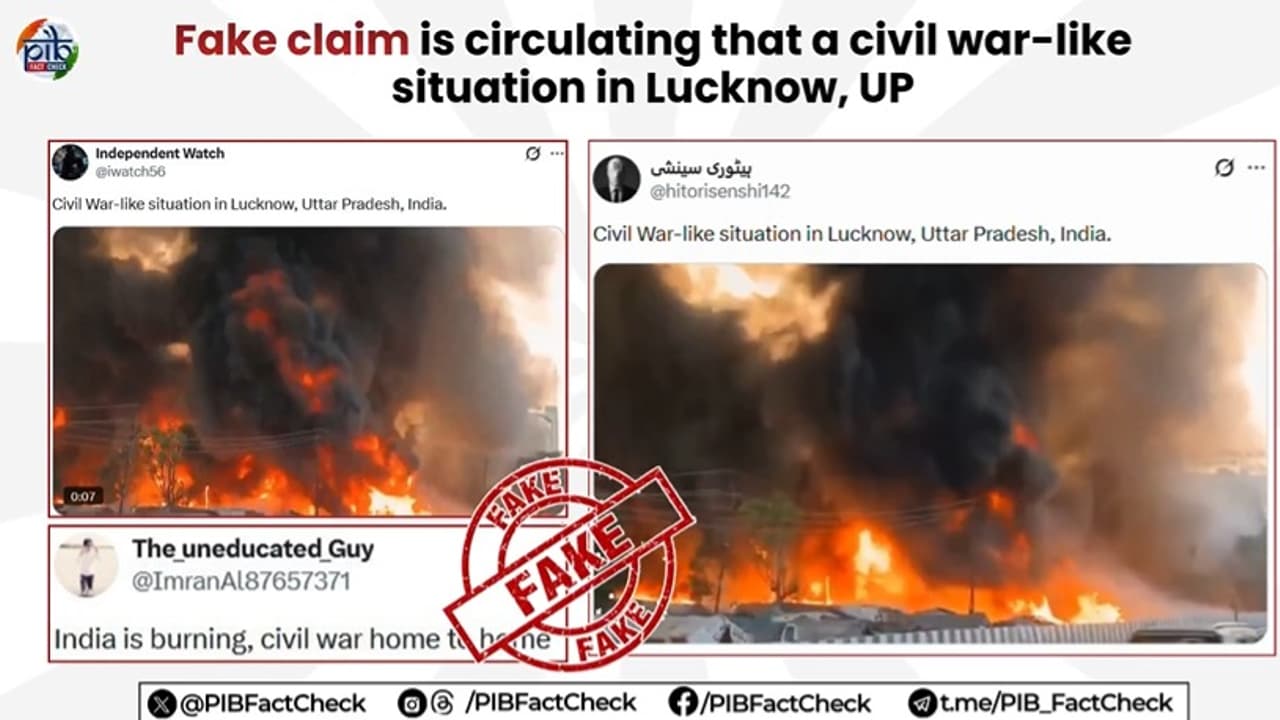
Indian officials have strongly denounced a viral video circulating on social media that falsely portrays the country as being in the midst of civil unrest. The Press Information Bureau’s (PIB) Fact Check Unit has confirmed that the footage, which has gained significant traction online, actually shows the aftermath of a cylinder blast incident and has no connection to any civil conflict within the nation.
According to the government investigation, the misleading content originated primarily from Pakistan-based social media accounts that deliberately shared the footage with inflammatory captions suggesting India was experiencing dangerous internal strife. The coordinated spread of this misinformation appears designed to sow panic among citizens and tarnish India’s image abroad.
“This is a clear case of manufactured misinformation,” a senior government official told reporters on condition of anonymity. “The footage has been completely mischaracterized to push a false narrative about India’s domestic situation.”
The PIB took to X (formerly Twitter) to issue an official clarification, stating unequivocally that “the claim is fake” and urging citizens not to believe or share such content without proper verification. The agency emphasized the importance of consulting trusted and official sources before forwarding potentially misleading material.
This incident highlights India’s ongoing battle against digital misinformation, which has intensified in recent years with the proliferation of social media platforms. False claims about civil unrest can have serious consequences, including triggering actual public panic, economic disruption, and damage to international relations.
Cybersecurity experts note that cross-border digital misinformation campaigns have become increasingly sophisticated, often using authentic footage from unrelated incidents to construct false narratives. India has been a frequent target of such operations, particularly during periods of heightened regional tensions.
“What makes these campaigns dangerous is how they blend truth with fiction,” explains Dr. Rahul Sharma, a digital security analyst at the Delhi Institute of Technology. “Using real footage from an accident but presenting it as evidence of civil conflict makes the deception more believable to casual viewers.”
The government has established multiple channels for citizens to report suspicious content. The Fact Check Unit has provided WhatsApp numbers and email addresses where people can forward questionable material for verification. Officials believe public participation is crucial in stemming the tide of misinformation.
India’s Ministry of Electronics and Information Technology has been working to strengthen the country’s digital literacy programs in response to the growing challenge. Recent initiatives include educational campaigns about identifying false information and understanding the motivations behind misinformation campaigns.
The cylinder blast depicted in the video was a local accident that occurred last week in a residential area, causing property damage but fortunately resulting in no serious injuries. Local authorities had already issued statements about the incident, making it relatively easy for fact-checkers to identify the true source of the footage.
International relations experts suggest this incident reflects broader regional tensions, with social media increasingly becoming a battleground for information warfare between neighboring countries.
“Digital borders are porous, and misinformation flows freely across them,” notes former diplomat Anjali Desai. “Countries must develop both defensive capabilities to counter false narratives and diplomatic approaches to address the sources of such content.”
As the investigation continues, officials have promised further action against accounts deliberately spreading false information about India’s internal security situation. Meanwhile, they continue to urge citizens to exercise digital vigilance and critical thinking when consuming and sharing content online.
Fact Checker
Verify the accuracy of this article using The Disinformation Commission analysis and real-time sources.

17 Comments
The swift response from the Indian government in identifying and refuting this misinformation is commendable. It’s important to remain vigilant against attempts to sow discord and panic through the spread of false claims.
Absolutely. Fact-checking and transparency from authorities are essential in countering the proliferation of misinformation, especially when it’s intended to undermine public trust and stability.
The Indian government’s swift action in debunking this misleading video is commendable. Maintaining public trust and addressing misinformation head-on is crucial, especially during sensitive times. Kudos to the PIB Fact Check team for their diligence.
Agreed. The coordinated effort to spread this false narrative is deeply concerning. Vigilance and transparency from the authorities are essential to counter the malicious dissemination of misinformation, both domestically and internationally.
The Indian government’s swift action in debunking this misleading video is a positive step in combating the spread of misinformation. Maintaining public trust and addressing such issues head-on is crucial, especially during sensitive times.
Kudos to the Indian government for their prompt action in debunking this false narrative. Combating the spread of misinformation is a critical task, especially when it’s being driven by malicious foreign actors.
Disturbing to see how social media can be weaponized to spread disinformation across borders. Kudos to the Indian authorities for quickly investigating and refuting these false claims. Maintaining public trust is crucial during challenging times.
Absolutely. Fact-checking and transparency from the government are essential to counter the malicious spread of misinformation, especially when it’s intended to create panic and unrest. Vigilance is key in the digital age.
This case highlights the urgent need for robust fact-checking mechanisms and media literacy initiatives to help the public navigate the complex information landscape. The Indian government’s proactive stance in addressing this issue is commendable.
Absolutely. Addressing the root causes of misinformation, such as strengthening digital literacy and promoting trusted information sources, will be crucial in the long run. The government’s response is a good start, but ongoing efforts are needed to combat this growing problem.
This is a clear example of the damage that can be done when misinformation is allowed to proliferate unchecked. I’m glad the Indian authorities were able to quickly identify and refute the false claims made in this viral video.
Agreed. The coordinated effort to spread this misleading content is very concerning. Maintaining public trust and addressing such issues head-on is crucial for the government, especially in sensitive times.
It’s disheartening to see such blatant attempts to discredit India’s image abroad through fabricated content. The government’s swift action in debunking this misinformation is a positive step in combating the spread of false narratives.
It’s worrying to see how social media can be exploited to push false narratives and undermine public trust. The Indian government’s swift response in refuting this misinformation is a positive step, but the larger challenge of combating online disinformation remains.
This case highlights the need for increased media literacy and fact-checking efforts to combat the growing problem of online misinformation. The Indian government’s response is a step in the right direction, but more needs to be done to address the root causes.
This is a concerning case of misinformation being deliberately spread to create a false impression about the situation in India. It’s important that the government takes swift action to counter such blatantly misleading propaganda.
Agreed, the swift debunking by the government’s fact-checking team is commendable. Spreading false information during sensitive times can have dangerous consequences, so I’m glad they’re addressing this promptly.