


Listen to the article
President Trump’s FISA Surveillance Powers Extension Hits Roadblock in House
The House of Representatives approved a two-week extension of Section 702 of the Foreign Intelligence Surveillance Act (FISA) early Friday morning, after conservative lawmakers rejected a compromise deal that would have extended the program for five years with minor reforms. The short-term extension gives lawmakers until April 30 to reach a more comprehensive agreement on the controversial surveillance powers.
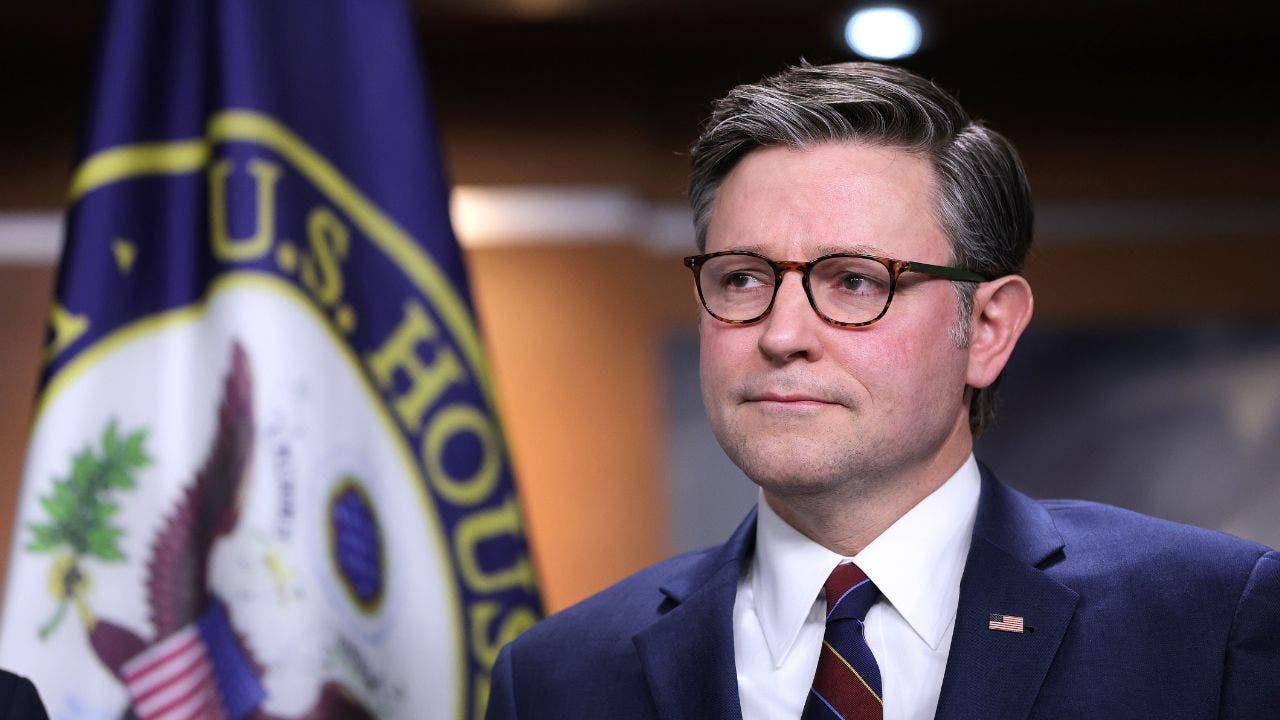
House Speaker Mike Johnson expressed confidence that legislators can finalize a deal by month’s end. “We were very close tonight. There’s some nuances with the language and some questions that need to be answered and we’ll get it done. The extension allows us the time to do that,” Johnson said.
The legislative maneuvering came after House GOP leadership was forced to abandon both an initial 18-month extension and a longer compromise that would have authorized the surveillance program until 2031 with additional criminal penalties for FISA violations. Privacy hawks within the Republican Party have consistently pushed for stronger guardrails around the program.
Section 702 is a powerful intelligence tool that allows the government to conduct warrantless surveillance on foreign nationals abroad, even when those communications involve Americans. The authority has become a flashpoint in the ongoing debate between national security priorities and Fourth Amendment protections against unreasonable searches.
Conservative and progressive lawmakers alike have advocated for a warrant requirement before intelligence agencies can review Americans’ data collected under the program. This reform has become a central sticking point in negotiations.
“We understand and agree with the president that we need 702 authority to go after bad guys abroad,” Rep. Chip Roy of Texas told reporters. “We’re fighting for greater protections, whether it’s this administration or future administrations to ensure citizens have protections.”
The Trump administration has strongly backed a clean extension of the surveillance authority, arguing it is essential for preventing potential terrorist attacks, particularly amid ongoing tensions with Iran. CIA Director John Ratcliffe visited Capitol Hill to lobby Republican holdouts, emphasizing that “there’s a lot at stake.” Joint Chiefs of Staff Chairman Gen. Dan Caine also sent a letter to lawmakers highlighting the program’s importance to national security.
President Trump himself took to Truth Social to urge Republicans to “UNIFY” behind his preferred approach of a clean extension without significant reforms.
Despite this high-profile pressure campaign, several conservative lawmakers remained steadfast in their opposition to reauthorization without stronger privacy protections.
Rep. Lauren Boebert of Colorado pushed back against the urgency narrative: “We’re always threatened… that something very bad is going to happen, people will die if we don’t reauthorize 702. But many men and women, thousands have died for the Fourth Amendment, and I’m going to continue to stand up and protect that Fourth Amendment right for all American citizens.”
Democrats also criticized the last-minute compromise deal that was ultimately rejected. Rep. Jamie Raskin of Maryland argued that the proposed warrant requirement was effectively meaningless: “This simply says they may seek a warrant. They don’t have to. They may seek a warrant. In other words, this provision is meaningless. It just returns us to exactly where we were.”
The two-week extension passed by the House could be approved by the Senate through unanimous consent as early as Friday, preventing an immediate lapse in surveillance authority.
Interestingly, some previous FISA skeptics, including Rep. Jim Jordan of Ohio, now support a clean reauthorization. Jordan cited more than five dozen reforms Congress made to the program in 2024, saying, “2026 is not 2024 and a short-term clean extension of the 702 part of FISA law is an acceptable outcome for the situation that we find ourselves in.”
Speaker Johnson has maintained that allowing the program to expire is not an option. “This is an essential tool for national security,” Johnson told Fox News on Wednesday. “We cannot allow it to expire, and we won’t.”
The debate underscores the complex balance between national security imperatives and civil liberties concerns that has characterized FISA discussions since the program’s inception.
Fact Checker
Verify the accuracy of this article using The Disinformation Commission analysis and real-time sources.

12 Comments
Interesting development on the FISA surveillance powers debate. Seems like the House is still trying to find the right balance between national security and civil liberties. I’m curious to see what kind of compromise they can reach by the end of the month.
Yes, it’s a delicate balance. Glad they’re taking the time to get it right rather than rushing through a flawed bill.
Interesting to see the House hit a roadblock on the FISA surveillance powers extension. I can understand the desire for stronger safeguards from privacy advocates, but also the need for robust intelligence capabilities. Hopefully they can find a reasonable middle ground.
Yes, it’s a delicate balance. Glad they’re taking the time to get it right rather than rushing through a flawed bill.
The FISA debate really highlights the complexities and trade-offs involved in national security policy. I’m glad the House is working to find a solution that addresses the concerns of all sides, even if it takes a bit more time. Curious to see what kind of compromise they come up with.
Exactly. These are never easy decisions, but taking a thoughtful, deliberative approach is the best way forward on such a sensitive issue.
The debate over FISA powers really highlights the tension between national security and civil liberties. I’m glad the House is taking the time to try and address the concerns of all stakeholders. Curious to see what kind of compromise they can come up with.
Yes, it’s a delicate issue without easy answers. Kudos to the House for not rushing into a decision and instead working towards a more thoughtful solution.
This is a complex issue without easy answers. I can understand the concerns of both the pro-surveillance and anti-surveillance camps. Hopefully they can find a solution that protects privacy rights while still giving intelligence agencies the tools they need.
Agreed, it’s all about striking the right balance. Privacy advocates raise valid points, but we also need robust intelligence capabilities to keep the country safe.
Surveillance powers are always a sensitive topic. I can see merits to both the pro-FISA and anti-FISA arguments. Hopefully the House can find a way to strengthen oversight and protect civil liberties, while still giving intelligence agencies the tools they need.
Agreed, it’s a tough balance to strike. But taking the time to get it right is the responsible approach here.