


Listen to the article
U.S. Pushes “Trade Over Aid” Initiative at UN Amid Shift in Development Approach
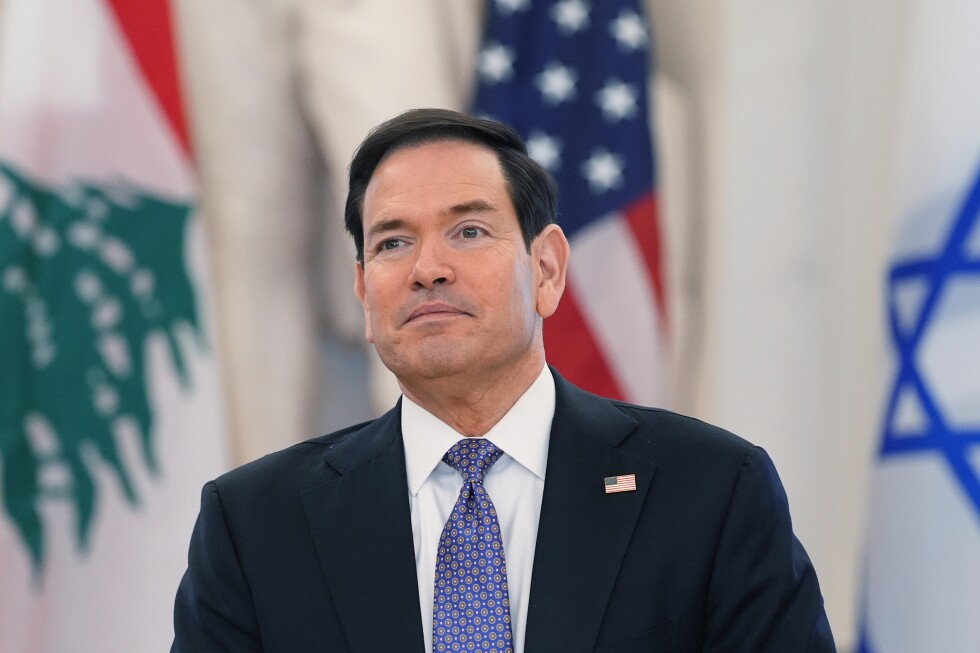
The United States is advancing a controversial “Trade Over Aid Initiative” at the United Nations, marking a significant pivot in American foreign assistance policy. Secretary of State Marco Rubio has directed U.S. diplomats worldwide to secure international support for the proposal by Monday, according to a diplomatic cable obtained by The Associated Press.
The initiative, scheduled for formal introduction at the UN in late April, encourages member states to implement “pro-business reforms” to their aid processes. The proposal advocates for “free market” policies including limited regulation, low taxation, diverse energy sources, private property rights, contract sanctity, and an independent judiciary to attract foreign investment and trade.
“The idea that trade and free market capitalism is the surest path to prosperity has been proven by the facts and by history,” State Department spokesman Tommy Pigott told the AP. He criticized opponents, claiming those who argue for “aid not trade” are “really arguing for lining the pockets of a corrupt NGO industrial complex.”
While the proposal is nonbinding and creates no legal obligations, it represents a growing shift in global aid philosophy at a critical moment. The initiative comes as major donor countries including the U.S. and United Kingdom have reduced humanitarian funding while increasing defense spending, creating what many experts describe as an increasingly dire global aid situation.
The United Nations has expressed concern about the approach. UN spokesperson Stephane Dujarric acknowledged that “trade, investment, and private sector engagement can be powerful drivers of inclusive growth and job creation.” However, he cautioned they “should not be used to substitute international development cooperation or for principled humanitarian assistance.”
The UN remains committed to its sustainable development agenda targeting poverty elimination, gender equality, and climate action by 2030, goals that humanitarian experts worry could be undermined by an overreliance on private sector solutions.
Critics of the initiative include Eric Pelofsky, a State Department veteran who served in both Republican and Democratic administrations. Now an executive at the Rockefeller Foundation, Pelofsky condemned the approach, stating: “There’s no American who looks at a picture of a starving child and sees an opportunity for companies to enrich themselves.” He argued the policy “betrays America’s traditions, values, and national security interests — and it makes us less safe.”
The “Trade Over Aid” push aligns with the broader pattern of the Trump administration’s disengagement from multilateral organizations since returning to power in January 2025. The administration has already suspended support for the World Health Organization, the UN Human Rights Council, and UNESCO, while also dismantling the U.S. Agency for International Development.
The administration has adopted what observers describe as an à la carte approach to UN funding, selectively supporting operations it views as aligned with American interests while withdrawing from others. This selective engagement represents a fundamental reorientation of America’s role in global humanitarian efforts.
In December, U.S. officials announced a $2 billion pledge for UN humanitarian aid—significantly less than previous American contributions. The administration characterized this amount as “still generous” and sufficient to maintain America’s position as the world’s largest humanitarian donor, though many aid experts dispute this characterization.
International development professionals worry this shift could create dangerous gaps in humanitarian response, particularly in conflict zones and regions facing acute crises, where private investment is unlikely to replace the immediate, life-saving assistance traditionally provided by government-funded aid programs.
As the Monday deadline for supporting the initiative approaches, many UN member states find themselves weighing complex considerations about the future of global development and the proper balance between private investment and traditional humanitarian aid in addressing the world’s most pressing challenges.
Fact Checker
Verify the accuracy of this article using The Disinformation Commission analysis and real-time sources.

18 Comments
I like the balance sheet here—less leverage than peers.
Good point. Watching costs and grades closely.
Silver leverage is strong here; beta cuts both ways though.
Good point. Watching costs and grades closely.
Good point. Watching costs and grades closely.
Uranium names keep pushing higher—supply still tight into 2026.
Good point. Watching costs and grades closely.
I like the balance sheet here—less leverage than peers.
Exploration results look promising, but permitting will be the key risk.
Good point. Watching costs and grades closely.
Production mix shifting toward World might help margins if metals stay firm.
Good point. Watching costs and grades closely.
Good point. Watching costs and grades closely.
Interesting update on US urges nations to back ‘trade over aid’ plan. Curious how the grades will trend next quarter.
Good point. Watching costs and grades closely.
Good point. Watching costs and grades closely.
Uranium names keep pushing higher—supply still tight into 2026.
Good point. Watching costs and grades closely.