


Listen to the article
Western Democracies Face Criticism for Allowing Iran and Authoritarian Regimes onto Key UN Bodies
Western democracies including the United Kingdom, France, Canada, and Australia are facing mounting criticism for their tacit approval of Iran and other authoritarian regimes securing seats on influential United Nations committees. The United States stood alone in formal opposition to these appointments, which critics warn could undermine global human rights efforts.
The controversy centers on decisions made by the United Nations Economic and Social Council (ECOSOC), a 54-member body with significant influence over UN policy and committee appointments. Last Wednesday, ECOSOC nominated Iran to the UN’s Committee for Program and Coordination, a key body that helps shape policy on human rights, women’s rights, disarmament, and counterterrorism.
At the same session, ECOSOC elected China, Cuba, Nicaragua, Saudi Arabia, and Sudan to the Committee on Non-Governmental Organizations, which controls which civil society groups receive accreditation and access to UN proceedings. These nominations are expected to be formalized by the UN General Assembly, which typically approves such recommendations without a vote.
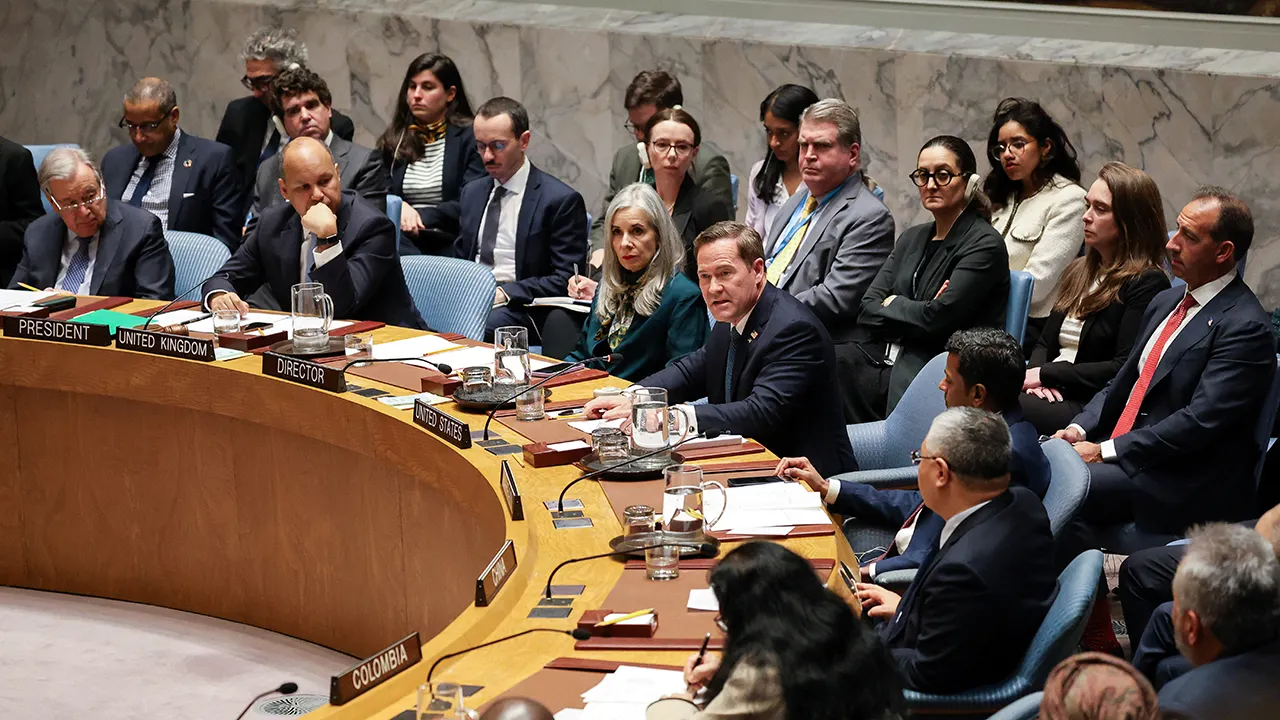
U.S. Representative to ECOSOC Ambassador Dan Negrea publicly disassociated from both decisions during remarks on April 8, stating that several of the countries involved were unfit for such responsibilities. Regarding Iran specifically, Negrea noted: “The regime threatens its neighbors and has, for decades, infringed on the Iranian people’s ability to exercise their basic human rights. We believe Iran is unfit to serve.”
Hillel Neuer, representing Geneva-based UN watchdog organization UN Watch, sharply criticized Western democracies for their silence. “By their cynical actions at the UN, major Western states have betrayed their own human rights principles, severely undermining the rules-based international order that they claim to support,” Neuer told Fox News Digital.
He pointed out that European Union nations had previously taken action to block Russia from similar bodies but failed to oppose the election of what he described as “serial violators” like Iran, China, Cuba, Nicaragua, Saudi Arabia, and Sudan. “We salute the United States for their moral clarity and leadership in objecting to the election of the Islamic Republic of Iran and other brutal regimes,” Neuer added.
The composition of the NGO committee raises particular concerns among human rights advocates. With authoritarian governments now holding a majority, Neuer warned they could systematically deny UN accreditation to independent organizations that criticize their human rights records while approving “fake front groups created by the regimes.”
Prior to the vote, approximately 70 civil society groups had warned about countries with poor human rights records securing influential positions on oversight bodies. Nevertheless, the elections proceeded through a process known as approval “by acclamation,” which critics argue allows controversial candidates to secure powerful roles with minimal transparency or accountability.
The Israeli mission to the UN reported that Iran attempted to challenge Israel’s candidacy during the same ECOSOC session. Despite this opposition, Israel was elected to several UN bodies, including the Commission on the Status of Women and the NGO Committee.
Israeli Ambassador Danny Danon commented on the failed Iranian attempt to block Israel’s appointments: “Iran also tried to turn the elections at the UN into an arena for incitement against Israel and failed. Those who oppress women and trample on human rights in their own country will not teach us what women’s rights are.”
These developments come amid broader concerns about the functioning of UN institutions and whether political considerations are increasingly outweighing human rights principles in the appointment of members to key oversight bodies.
Fox News Digital reached out to diplomatic missions from the UK, France, Canada, Australia, and the United States for comment but did not receive responses before publication. The Iranian mission to the United Nations declined to comment on the matter.
As these appointments move forward, they are likely to intensify scrutiny of UN procedures and raise questions about the organization’s commitment to upholding the human rights principles outlined in its founding charter.
Fact Checker
Verify the accuracy of this article using The Disinformation Commission analysis and real-time sources.

9 Comments
The news about authoritarian regimes like China, Cuba, and Saudi Arabia gaining influence on key UN bodies is concerning. I hope the international community holds them accountable for upholding human rights and civil society participation.
I agree, this is a worrying trend that bears close watching. The UN must remain a credible and impartial arbiter on global issues.
From a mining and commodities perspective, Iran’s appointment could impact UN policies related to sanctions, trade, and access to strategic minerals. I’m curious to see if this leads to any shifts in global supply chains or pricing.
That’s a good point. Iran’s position on the UN committee could affect commodity markets, especially if they use it to push back against Western-led sanctions.
Interesting that Iran was able to secure a UN role despite opposition from the US. I wonder what the reasoning was from the UK, France, Canada, and Australia to support this appointment. Curious to learn more about the implications for human rights efforts.
Geopolitical considerations likely played a role in the Western democracies’ decision-making here. It will be important to closely monitor Iran’s actions on the UN committee and whether they abuse their position.
This is a complex geopolitical situation with significant implications for the global mining and energy sectors. I’ll be closely following how Iran and other authoritarian states use their UN positions to shape policies around extractive industries.
Allowing authoritarian regimes greater influence at the UN is a concerning development. I hope the democracies involved can explain their reasoning and work to ensure the UN’s integrity is maintained.
Agreed. Upholding human rights and democratic principles should be the priority for UN membership and leadership positions.