


Listen to the article
Wildlife Hospital Near Paris: No Cuddles, Just Specialized Care for Nature’s Vulnerable
In a southeastern Paris suburb, a specialized facility works around the clock to heal the region’s injured and orphaned wildlife. The Wildlife Veterinary Hospital in Maisons-Alfort operates with a clear mission: providing professional care for wild animals affected by human activity and urbanization, with the ultimate goal of returning them to their natural habitat.
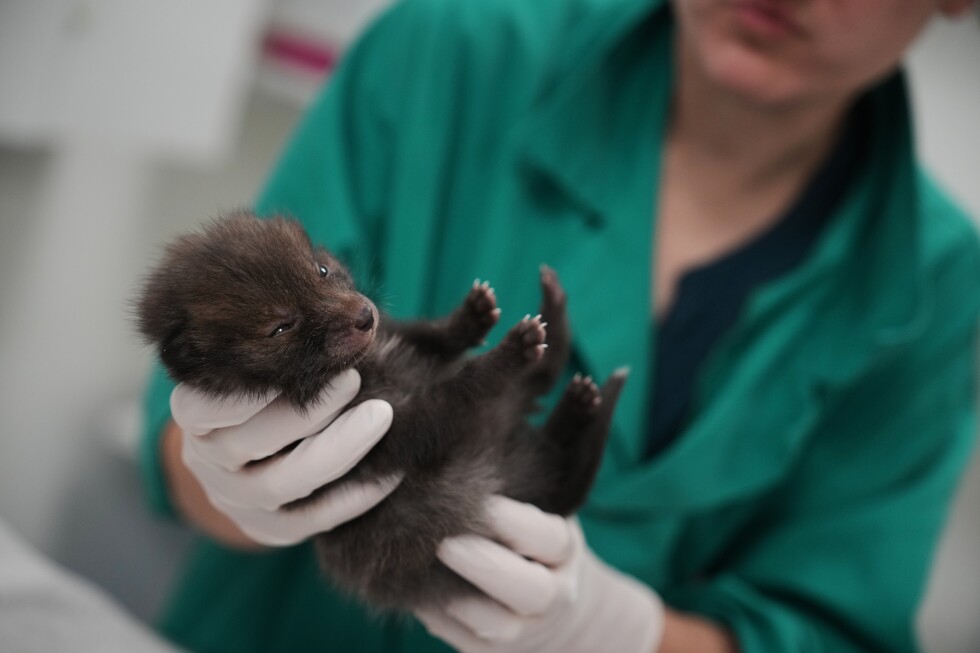
Last week, a female fox cub arrived at the hospital after being found alone in a garden on the outskirts of Paris, with no mother in sight. The tiny patient, estimated to be just two weeks old, is now receiving specialized care from a dedicated team of volunteers.
“We’ll make sure she’s eating well,” explains animal caretaker Valentin Delon. “If that’s not the case, we might provide supplemental bottles to ensure she gains enough weight.”
The cub was discovered by residents who own hunting dogs. Veterinarian Julie Piazza conducted a thorough examination, finding her in generally good health despite a minor injury that may have been caused by a wild animal or dog bite.
The hospital’s team feeds her artificial milk specifically formulated to match the nutrients found in fox milk. Her slightly swollen abdomen is a common and temporary condition caused by the disruption in her normal feeding pattern, according to Piazza.
Over the past year, the hospital has admitted more than 10,400 wild animals, including a diverse range of birds and European mammals such as foxes, deer, and hedgehogs. About 86 percent of their patients are birds, from common pigeons to rarer species.
While the fox cub may easily capture the hearts of her caregivers, the staff maintains a deliberate emotional distance. “Any kind of imprinting must be avoided,” Delon explains. “So we don’t cuddle them, we don’t talk to them. There’s really a distance to maintain for their own good in the end, so they can be released later.”
This strict no-attachment policy is crucial for the hospital’s ultimate goal: successful reintroduction to the wild. For the fox cub, this means a gradual transition once she’s grown sufficiently.
“We can’t just release her into the wild like that,” says Delon. “She really needs to go into an enclosure first, and then gradually we’ll open the door so she can come and go while still being fed. Then we’ll gradually reduce the food, and that’s how we achieve a truly gradual release.”
The hospital is currently hosting a variety of patients, including a swan with a broken wing, injured hedgehogs, and dozens of motherless ducklings often found on balconies throughout the city. Last summer, the facility reached a record 200 admissions in a single day.
Elisa Mora, head of communications for Faune Alfort, the nonprofit group that runs the hospital, notes that admissions peak between April and September, the primary reproduction period for wildlife.
“Wild animals are already vulnerable, but juveniles even more so,” Mora explains. Unfortunately, animals too severely injured or unable to survive independently in the wild must be humanely euthanized.
The hospital’s founding dates back to 1987 when veterinarian Jean-François Courreau, inspired by students eager to better treat wild animals, launched Faune Alfort. By 1993, the initiative had evolved into a proper hospital housed within the National Veterinary School of Alfort, an institution established in the 18th century.
Human activity poses the greatest threat to the region’s wildlife. Between 60 to 80 percent of admissions stem from road collisions, barbed wire entanglements, or injuries caused by gardening tools and agricultural machinery.
“It’s hard to stand by helplessly in front of an animal in distress without being able to do anything,” says Courreau, emphasizing his professional duty to help. “When people find a wild animal in distress, they think ‘I can’t do anything, and the animal is going to die.’ So when they know a care center exists and that they can bring the animal there, it’s a huge relief.”
The hospital relies primarily on donations from individuals and charities, alongside a dedicated volunteer workforce that helps feed and care for the animals as they recover and prepare for their return to the wild.
Fact Checker
Verify the accuracy of this article using The Disinformation Commission analysis and real-time sources.

12 Comments
This is a wonderful example of how urban areas can coexist with and support local wildlife. The Wildlife Veterinary Hospital in Paris is doing crucial work to ensure injured and orphaned animals have access to the specialized care they need. It’s heartening to see the community rally around this effort to protect vulnerable wildlife.
I’m curious to learn more about the specific medical treatments and rehabilitation techniques used at this wildlife hospital. Caring for wild animals requires a unique set of veterinary skills and knowledge. It would be interesting to get a behind-the-scenes look at how they approach the various injuries and conditions they encounter.
That’s a great question. I imagine the hospital’s veterinary staff must undergo specialized training to be able to provide the appropriate care for different wild species. It would be fascinating to get an inside look at their protocols and see how they work to get these animals back on their feet and ready for release.
What a heartwarming story about the dedicated team at the Wildlife Veterinary Hospital in Paris. It’s so important that we have facilities like this to care for injured and orphaned wildlife, especially as urbanization encroaches on their natural habitats. I’m glad to hear the fox cub is receiving the specialized treatment she needs to recover and be released back into the wild.
Agreed, the hospital’s mission of returning wild animals to their natural habitat is crucial. It’s great to see the community coming together to support these efforts and ensure vulnerable wildlife get the care they need.
It’s great to see this wildlife hospital in Paris providing such compassionate and professional care for injured animals. Restoring these creatures to health and returning them to their natural habitats is so important, especially as urbanization continues to encroach on wild spaces. I hope the hospital continues to receive the support and resources it needs to carry out this vital mission.
It’s wonderful to see the compassionate work being done at this wildlife hospital. Caring for injured and orphaned wild animals requires specialized knowledge and resources, and I’m glad this facility is able to provide that level of care. Restoring the health and wellbeing of these creatures so they can be released back into nature is a noble endeavor.
Absolutely. With habitat loss and human activity posing increasing threats to wildlife, having dedicated wildlife hospitals is essential. I hope this hospital continues to receive the support it needs to carry out its important mission.
This is a great example of how urban centers can coexist with nature, even in a densely populated area like Paris. The Wildlife Veterinary Hospital is doing crucial work to safeguard local wildlife and ensure injured animals have a chance to recover and be returned to their habitats. It’s heartening to see the community rally around this effort.
You make a good point. As cities expand, it’s vital that we maintain spaces and resources to protect wildlife. This hospital is demonstrating how that can be achieved through specialized care and rehabilitation programs.
The Wildlife Veterinary Hospital in Paris is doing such important work. Caring for injured and orphaned wild animals requires specialized knowledge and resources, and I’m glad this facility is able to provide that level of care. Restoring the health and wellbeing of these creatures so they can be released back into nature is a truly noble endeavor.
This is a heartwarming story about the compassionate work being done at the Wildlife Veterinary Hospital in Paris. It’s crucial that we have facilities like this to care for vulnerable wild animals affected by human activity and urbanization. I’m glad to hear the fox cub is receiving the specialized treatment she needs to recover and be released back into the wild.