


Listen to the article
Lebanese militant group Hezbollah has declared it will not recognize any agreements resulting from the upcoming direct Lebanon-Israel talks in Washington, according to a senior Hezbollah official. The rare face-to-face meeting between Lebanese and Israeli ambassadors to the United States marks the first direct diplomatic engagement between the two nations in decades.
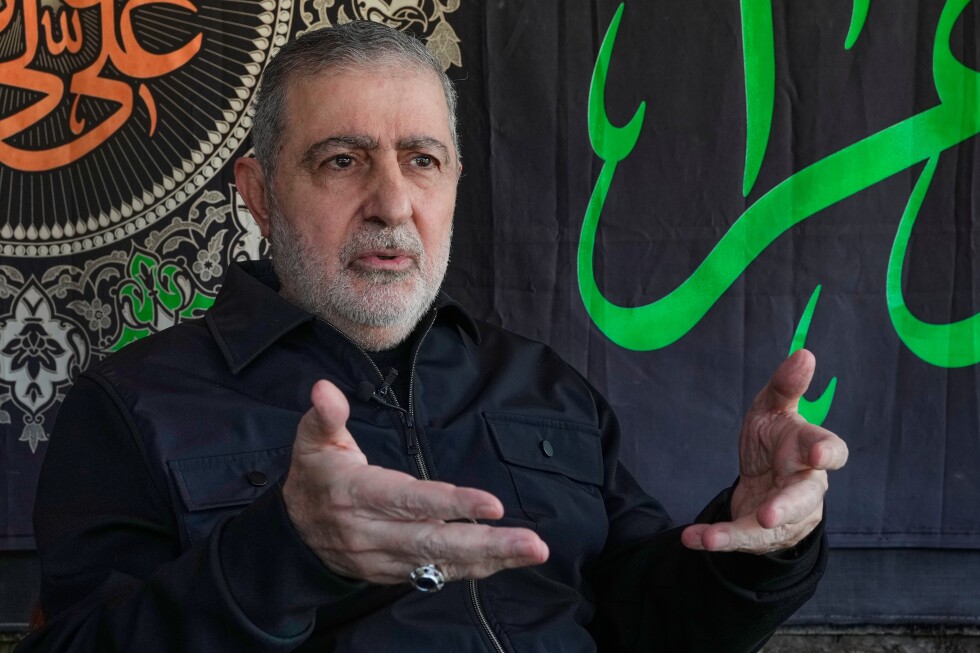
“As for the outcomes of this negotiation between Lebanon and the Israeli enemy, we are not interested in or concerned with them at all,” said Wafiq Safa, a high-ranking member of Hezbollah’s political council, in an interview with The Associated Press. “We are not bound by what they agree to.”
The Washington talks come at a critical juncture in the ongoing conflict between Israel and Hezbollah. Lebanese officials are seeking to broker a ceasefire, while Israeli Prime Minister Benjamin Netanyahu has publicly stated that his goal is Hezbollah’s disarmament and a potential peace agreement with Lebanon. Netanyahu’s spokesperson, Shosh Bedrosian, emphasized on Monday that Israel would not agree to a ceasefire with Hezbollah.
Adding to the complex diplomatic landscape, U.S.-Iran peace talks were held last weekend in Pakistan, where Iran reportedly attempted to include Lebanon in any potential ceasefire deal. Both Israel and the U.S. have rejected this proposal, insisting that Lebanon would not be part of any U.S.-Iran agreement.
Despite the breakdown of the U.S.-Iran talks, Safa claimed that Iran had secured a commitment to halt attacks on Beirut, including its southern suburbs—a Hezbollah stronghold known as Dahiyeh. While Israeli strikes on Beirut have indeed ceased since last Wednesday, fierce fighting continues in southern Lebanon.
The current round of hostilities escalated on March 2, when Hezbollah began firing missiles into Israel two days after what Safa described as an Israeli and U.S. attack on Iran. Israel responded with aerial bombardment and eventually a ground invasion. The conflict has had devastating humanitarian consequences, displacing more than one million people in Lebanon and killing over 2,000, including more than 500 women, children, and medical workers.
Safa defended Hezbollah’s decision to enter the conflict, describing it as preemptive because the group believed “Israel was preparing for a second battle with Lebanon” aimed at destroying Hezbollah. He denied any prior arrangements with Tehran that would have obligated Hezbollah to join the fight if Iran was attacked.
“It was an appropriate moment for Hezbollah to rebuild a new equation and restore deterrence against Israel,” Safa explained, referring to the period after a U.S.-brokered ceasefire ended the previous Israel-Hezbollah war in November 2024. During that time, Israel continued to conduct near-daily strikes in Lebanon, claiming they were necessary to prevent Hezbollah from rebuilding its capabilities.
Israel has claimed that its strikes on Lebanon last Wednesday killed more than 250 Hezbollah militants among the approximately 350 total casualties. Lebanon’s health ministry reported that more than 100 women and children were among those killed. Safa disputed Israel’s characterization, stating, “Those who died in Beirut are 100% civilians,” though he did not deny that Hezbollah members may have been killed outside the capital.
The relationship between the Lebanese government and Hezbollah has grown increasingly strained. The government previously approved a plan to remove all non-state weapons and later declared Hezbollah’s armed wing illegal. Safa revealed that Hezbollah currently has no direct communication with President Joseph Aoun or Prime Minister Nawaf Salam, instead routing all communications through Parliament Speaker Nabih Berri, who heads the Hezbollah-allied Amal party.
Later Monday, Hezbollah leader Naim Kassem delivered a televised address urging Lebanon to withdraw from the direct talks with Israel, characterizing the negotiations as a “free concession” to Israel and the United States.
Safa indicated that in the event of a ceasefire and Israeli withdrawal from Lebanon, Hezbollah would be willing to negotiate with the Lebanese government regarding its weapons. “The issue of resistance weapons is a Lebanese matter that has nothing to do with Israel or the United States,” he said.
The Washington talks represent a significant diplomatic development in a region characterized by decades of conflict and tension, but Hezbollah’s clear rejection of any potential agreement underscores the challenges facing any peace process.
Fact Checker
Verify the accuracy of this article using The Disinformation Commission analysis and real-time sources.

6 Comments
Hezbollah’s position is disappointing but not surprising given their history of intransigence. However, the international community must continue to push for a diplomatic solution that addresses the concerns of both Lebanon and Israel. Constructive dialogue is the only path forward.
I agree. Hezbollah’s stance is likely driven by their own political agenda, rather than the interests of the Lebanese people. The success of these talks hinges on all parties being willing to compromise and make concessions.
This news underscores the complexity of the situation in the Middle East. While progress on the Lebanon-Israel front would be welcome, Hezbollah’s refusal to cooperate is a significant obstacle. Resolving this conflict requires nuanced diplomacy and a willingness to address the concerns of all stakeholders.
Hezbollah’s obstructionist behavior is disappointing but not surprising. Their refusal to abide by any agreements undermines the potential for progress and lasting peace. It’s crucial that the international community remains engaged and continues to pressure all parties to engage in constructive dialogue.
Hezbollah’s rejection of the Lebanon-Israel talks is regrettable but not unexpected. Their hardline stance is likely driven by a desire to maintain their influence and arsenal. However, the international community must continue to push for a negotiated settlement that addresses the legitimate security concerns of all parties.
This is a concerning development. Hezbollah’s refusal to abide by any agreements could seriously undermine the Lebanon-Israel talks and jeopardize any potential ceasefire or peace deal. It’s crucial that all parties act in good faith and work towards a peaceful resolution.