


Listen to the article
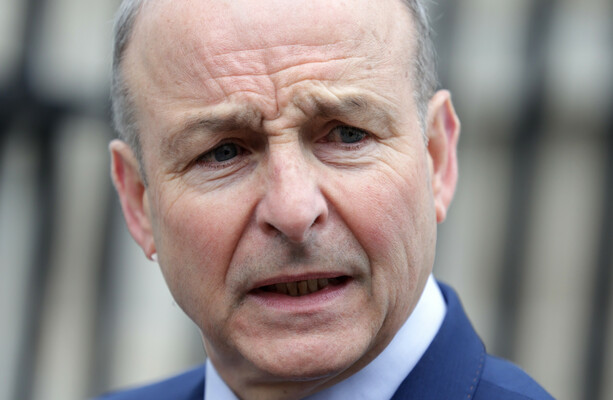
Taoiseach Micheál Martin’s whereabouts became the subject of intense online speculation last weekend as protesters gathered in Dublin city center, with false claims circulating that he was attending his daughter’s wedding during the demonstrations.
The controversy began on Saturday when hundreds of protesters gathered at the Garden of Remembrance before marching to O’Connell Street, where they faced off with Gardaí. The demonstration was organized in response to recent immigration policies and followed similar protests in recent weeks across the country.
As tensions escalated between protesters and law enforcement, social media platforms became flooded with claims that the Taoiseach was absent from his duties while attending a family wedding. One widely shared post on X (formerly Twitter) alleged: “As chaos reigned on the streets of Dublin today, Micheál Martin was at his daughter’s wedding.” Similar claims spread rapidly across Facebook and TikTok throughout the weekend.
However, official sources have confirmed these claims are entirely false. A spokesperson for the Taoiseach’s office stated categorically that Martin was not at any wedding on Saturday, adding that the Taoiseach does not have a daughter of marriageable age. Martin has four children – two sons and two daughters – with his youngest daughter still in secondary school.
The Department of the Taoiseach confirmed that Martin spent Saturday attending scheduled meetings related to government business in Cork, his home constituency. Later that evening, he traveled to Dublin in preparation for commitments scheduled for Sunday morning.
This incident highlights the increasing problem of misinformation surrounding public figures during times of civil unrest. Social media platforms have struggled to contain the spread of false information, particularly during politically charged events when public emotions run high.
The protests themselves represent growing tensions over Ireland’s immigration policies. Demonstrators voiced concerns about housing shortages and the allocation of resources, while counter-protesters emphasized the importance of maintaining an open and welcoming society. The Garden of Remembrance gathering marked the latest in a series of demonstrations that have taken place in Dublin, Cork, and other Irish cities since early January.
Gardaí maintained a significant presence throughout Saturday’s events, with officers in protective equipment forming cordons at various points along the protest route. While some verbal confrontations occurred, authorities reported that the demonstration remained largely peaceful with no major incidents.
Political analysts note that fabricated claims about public officials’ whereabouts during crises are becoming increasingly common tactics to undermine public trust. Dr. Eileen Murphy, a political communications researcher at University College Dublin, explained: “Creating false narratives about leaders being absent during tense situations is a classic disinformation strategy. It taps into existing frustrations and amplifies them by suggesting leadership is disconnected from public concerns.”
The Taoiseach’s office expressed concern about the spread of such misinformation, noting that false claims can undermine democratic discourse and public trust in institutions. They urged citizens to verify information through official channels and reliable news sources before sharing content online.
Social media companies have faced mounting pressure to address the spread of misinformation on their platforms. While companies like Meta and Twitter have implemented fact-checking measures, critics argue these efforts remain insufficient in preventing false information from reaching large audiences quickly.
As Ireland continues to navigate complex social and political challenges, including debates over immigration policy and housing, experts emphasize the importance of information literacy among the public. Fact-checking organizations have been working to debunk viral claims, but the speed at which misinformation spreads often outpaces verification efforts.
The incident serves as a reminder of how quickly false information can gain traction during politically charged moments, and the responsibility that falls on both social media platforms and individual users to verify claims before accepting or sharing them.
Fact Checker
Verify the accuracy of this article using The Disinformation Commission analysis and real-time sources.

10 Comments
The rapid spread of misinformation on social media is a growing challenge. This fact check underscores the importance of verifying information from credible sources before sharing or believing it.
Absolutely. In an age of digital information overload, critical thinking and source verification are essential skills to combat the spread of false narratives.
Interesting fact check. It’s good to see the Taoiseach’s office quickly addressing the false claims circulating online. Maintaining transparency and correcting misinformation is crucial for public trust during challenging times.
Agreed. It’s important to rely on official sources and not jump to conclusions based on unverified social media posts. Fact-checking helps keep the public informed accurately.
The swift response from the Taoiseach’s office to refute these false claims is commendable. Upholding transparency and accountability in the face of misinformation is a vital role of government.
Agreed. Proactive fact-checking and setting the record straight helps counter the spread of falsehoods and maintain public confidence in leadership.
It’s reassuring to see the Taoiseach’s office quickly refuting the false claims. Maintaining transparency and accountability is crucial for upholding public trust in leadership, especially during times of heightened political tensions.
This highlights the importance of verifying information, especially when it comes to public figures and high-profile events. The speed at which misinformation can spread on social media is concerning.
Yes, it’s a good reminder to be cautious about sharing unverified claims, even if they seem plausible. Taking the time to check the facts can prevent the spread of false narratives.
This is a timely reminder of the need for vigilance when it comes to online rumors and unsubstantiated claims, especially those involving public figures. Fact-checking is crucial to maintain trust in democratic institutions.