


Listen to the article
TikTok, Threads, and the Evolution of Digital Misinformation Spread
Communication professionals are facing a new reality in the fight against misinformation. Today’s false narratives no longer follow the predictable path from fringe to mainstream media that traditional monitoring systems were designed to track.
According to Katie Michel, insights manager at Fullintel, a concerning pattern has emerged during client calls: “A piece of false or misleading information has already made three platform stops before anyone in the room is aware it exists. It started as a stitched TikTok. A Threads reply thread picked it up. By the time it hit LinkedIn and landed in a journalist’s DMs, it had absorbed the credibility of each platform along the way and stripped its original context entirely.”
This modern “disinformation pipeline” operates fundamentally differently than before. Rather than announcing itself through obvious channels, today’s misinformation moves through a process of remix, reaction, and repost, gaining emotional resonance with each iteration while often shedding its original source entirely by the second or third share.
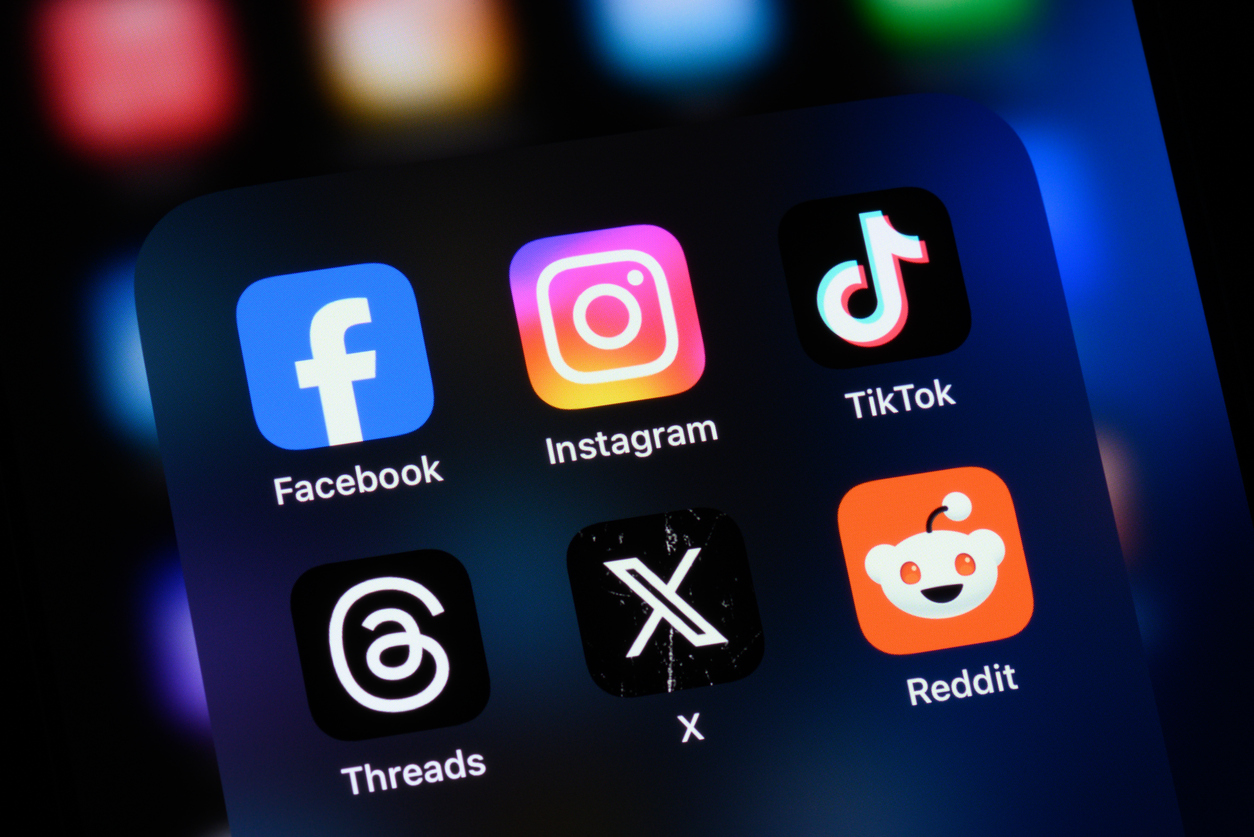
TikTok’s algorithm exemplifies this shift by prioritizing content over accounts. This means claims made by users with minimal followers can potentially outperform corrections from authoritative sources if packaged in a more compelling format. Meanwhile, Threads has fostered an environment of rapid, conversational exchanges where nuance is structurally discouraged, similar to Twitter (now X).
The integration of Threads with Instagram’s social network creates another layer of complexity. What appears to be a niche conversation can actually reach highly relevant audiences including journalists, advocates, and opinion leaders without triggering traditional monitoring tools that communications teams rely on.
PR professionals who have grown up using these platforms rather than studying them from afar possess valuable intuitive understanding of these dynamics. They recognize that a TikTok comment section, not the video itself, might be where the real narrative is forming. They can distinguish between genuine conversations on Threads and what might be the early stages of a coordinated attack.
Michel offers three specific recommendations for communications professionals facing this new landscape:
First, redesign monitoring strategies to focus on where narratives actually form rather than where they eventually appear. “If your media monitoring starts at the news article, you’re already late,” Michel warns. Effective monitoring now requires listening to TikTok comments, Threads reply chains, and emerging community spaces.
Second, elevate platform fluency to a strategic competency within organizations. Teams should deliberately involve colleagues who actively use these platforms in early-stage issue assessment and crisis planning. The ability to read platform-specific warning signals is becoming an essential skill.
Third, conduct thorough post-mortems on disinformation cycles. After false narratives run their course, organizations should trace their origins, understand what gave them momentum, and identify which platforms amplified them most effectively. This forensic approach helps sharpen anticipation and response capabilities.
The stakes are particularly high for industries where trust is central to brand value, such as healthcare, financial services, and utilities. A disinformation cycle that goes undetected for even 48 hours can cause measurable reputational damage.
Michel’s insights come as part of IPR NEXT, the Institute for Public Relations’ membership community for emerging communications leaders. The initiative aims to spotlight perspectives from professionals who are shaping the future of communications with purpose and impact.
As platform algorithms continue evolving and new social spaces emerge, the gap between where narratives form and where most organizations are monitoring will likely remain a vulnerability that communications professionals must actively work to address.
Fact Checker
Verify the accuracy of this article using The Disinformation Commission analysis and real-time sources.

8 Comments
Interesting article on the evolving nature of digital misinformation. The rapid spread across social platforms like TikTok and Threads is concerning. We need robust systems to identify and counter these manipulated narratives early on.
The article highlights an important shift in how misinformation proliferates today. No longer confined to fringe channels, it’s weaving a complex web across mainstream social media. Combating this will require novel strategies.
This ‘disinformation pipeline’ illustrating how false info can quickly gain credibility by hopping between platforms is a real challenge. Verifying sources and context will be crucial to stem the tide of misinformation.
Agreed. The speed and scale at which misinformation can now spread is alarming. Developing better detection and response capabilities will be critical for media and tech companies.
Fascinating insights on the evolving nature of online misinformation. The ability of false info to gain credibility by hopping between platforms is a sobering development. Effective solutions will require cross-platform coordination.
TikTok’s algorithmic prioritization of remixed, reacted content is a key driver behind this new ‘disinformation pipeline’. Platforms need to rethink their recommendation systems to reduce the spread of manipulated narratives.
This article highlights an alarming trend – the rapid spread of misinformation through a ‘pipeline’ across social media platforms. Developing robust detection and response mechanisms will be crucial to combat this challenge.
Absolutely. The speed and scale at which false narratives can now propagate is deeply concerning. Platforms, media, and users all have a role to play in addressing this critical issue.