


Listen to the article
Turkish Journalist Sentenced to Prison for Social Media Posts on Syrian Sectarian Violence
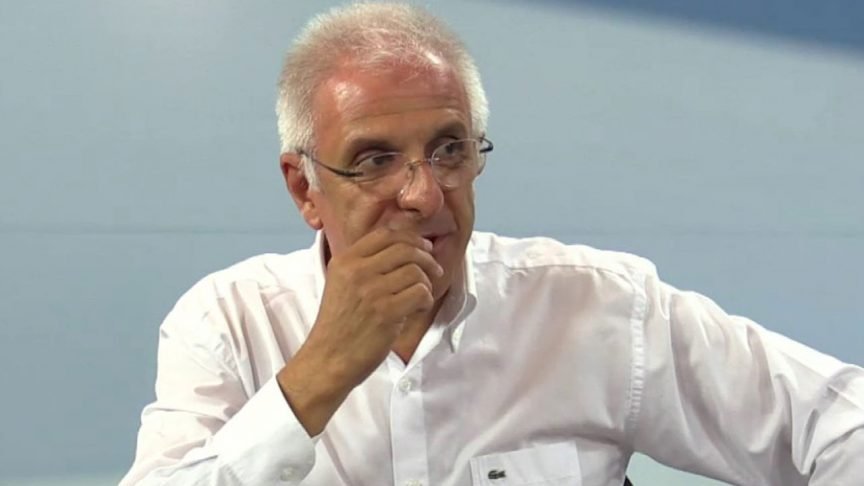
A Turkish court has sentenced veteran journalist Zafer Arapkirli to two and a half years in prison for allegedly spreading disinformation in social media posts that criticized attacks on Syria’s Alawite minority, according to a report by the ANKA news agency.
The İstanbul 23rd Criminal Court of First Instance handed down the sentence on Tuesday but released Arapkirli pending appeal. While the court found him guilty of spreading false information, it acquitted him of a separate charge of incitement to hatred and hostility.
The case centers on posts Arapkirli made on social media platform X (formerly Twitter) in March 2025, in which he criticized attacks targeting Nusayris, a sect of Alawites, in Syria’s coastal provinces of Latakia and Tartus. In one post, he sarcastically questioned where certain groups were heading, listing options that included “to kill Nusayris in Latakia and Tartus.”
During his defense, Arapkirli argued that he is facing systematic judicial harassment through multiple prosecutions based on his journalistic work. He cited various charges including insulting the president, inciting hatred, and spreading disinformation as part of what he described as a government campaign to silence critical voices.
This conviction adds to Arapkirli’s growing legal troubles. In 2024, he was convicted of insulting former interior minister Süleyman Soylu and current gendarmerie general commander Arif Çetin in social media posts. However, he was acquitted in March in a separate case that accused him of insulting President Recep Tayyip Erdoğan.
Arapkirli’s case highlights the intensifying pressure on journalists in Turkey who criticize the government or its policies. Media freedom advocates point to a worrying trend of using broadly defined laws on disinformation, insulting public officials, and terrorist propaganda to target independent reporters.
Turkey’s controversial “disinformation law,” passed in 2022, has been particularly criticized by international organizations for its vague definition of false information and the severe penalties it imposes. The law allows for prison sentences of up to three years for those found guilty of deliberately spreading “false information” that creates public fear or disturbs peace.
Press freedom in Turkey has deteriorated significantly over the past decade. According to Expression Interrupted, a press freedom monitoring organization, 28 journalists are currently imprisoned in the country. This ongoing crackdown has affected Turkey’s international standing, with Reporters Without Borders (RSF) ranking the country 159th out of 180 nations in its 2025 World Press Freedom Index.
Media experts note that the Turkish government has also applied economic pressure on independent outlets through advertising bans and fines, while pro-government businesses have consolidated ownership of major media companies. This has created an environment where self-censorship is common among journalists fearing legal repercussions.
The European Court of Human Rights has repeatedly ruled against Turkey in cases involving press freedom and freedom of expression, though these decisions have had limited impact on domestic practices.
As Arapkirli’s case moves through the appeals process, press freedom advocates warn that such prosecutions create a chilling effect on journalism in Turkey, particularly regarding coverage of sensitive topics like sectarian violence, Kurdish issues, or government corruption allegations.
Fact Checker
Verify the accuracy of this article using The Disinformation Commission analysis and real-time sources.

10 Comments
This is a concerning development for press freedom in Turkey. Jailing a veteran journalist over social media posts, even if deemed provocative, sets a dangerous precedent. The government should focus on combating real disinformation rather than punishing journalists for their commentary.
I agree, the Turkish government seems to be using ‘disinformation’ laws as a pretext to crack down on critical voices. Arapkirli’s posts may have been sarcastic, but that does not warrant a prison sentence in a democracy with a free press.
This case raises serious concerns about the state of press freedom in Turkey. Jailing a journalist for social media posts, even if they were controversial, is a worrying sign of the government’s intolerance for dissenting voices. The court should have protected Arapkirli’s right to report on this sensitive issue.
Absolutely, the court’s decision sets a troubling precedent. Journalists should be able to cover conflicts and criticize the authorities without fear of prosecution, as long as they are not directly inciting violence. This case seems to be more about silencing a critical voice than upholding the truth.
This case highlights the concerning trend of governments using vague ‘disinformation’ laws to punish journalists for voicing opinions that challenge the official narrative. Arapkirli’s sarcastic social media posts criticizing sectarian violence should not be criminalized in a democracy with a free press.
I agree, sentencing a veteran journalist to prison for social media posts is an alarming violation of press freedom. The court should have protected his right to report on this sensitive issue, even if his language was provocative.
While the government may have concerns about the spread of disinformation, imprisoning a veteran journalist for social media posts is a heavy-handed and concerning response. Arapkirli’s posts, however sarcastic, were highlighting real issues of sectarian violence in Syria that deserve public scrutiny.
I agree, this case is more about cracking down on critical voices than combating genuine disinformation. The Turkish government should focus on tackling the spread of false information, rather than punishing journalists for their commentary, even if it is provocative.
While I understand the need to prevent the spread of false information, this case seems to cross the line into censorship of legitimate journalistic commentary. Arapkirli’s posts, however sarcastic, were highlighting real issues of sectarian violence in Syria that deserve scrutiny.
Exactly, the court’s decision appears to be more about silencing critical voices than upholding truth. Journalists should be able to report on sensitive conflicts without fear of prosecution, as long as they are not directly inciting violence.