


Listen to the article
The Growing Challenge of Misinformation and Disinformation in the Digital Age
False information continues to spread at an alarming rate across social media platforms and online spaces, creating significant challenges for society. Understanding the distinction between misinformation and disinformation has become increasingly important as digital technologies evolve.
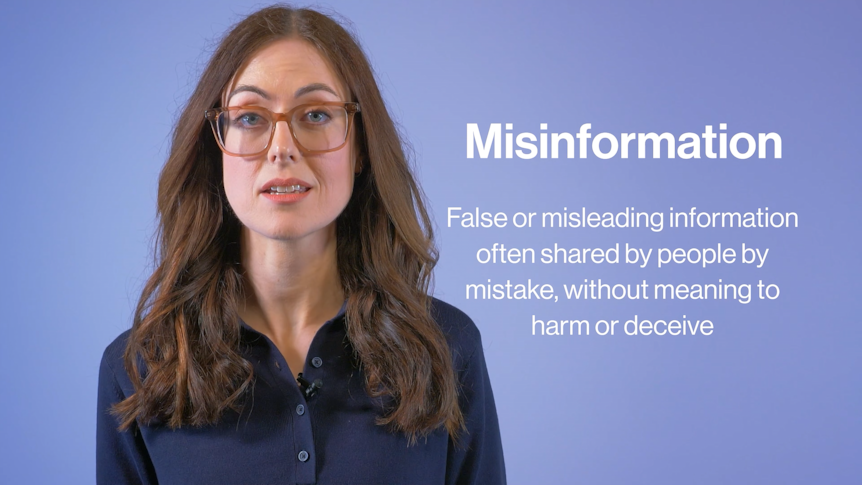
Misinformation refers to false or misleading content that people share without malicious intent. This often happens when users encounter entertaining or surprising information and pass it along without verification. For instance, someone might share a humorous post claiming “veterinarians have started organizing discos for cats” simply because they find it amusing, not realizing the information lacks factual basis.
In contrast, disinformation represents a more deliberate form of deception. It involves the intentional creation and distribution of false information designed to confuse, mislead, or cause harm. A concerning example would be someone using artificial intelligence tools to generate a fake video showing friends cheating on an exam, then publishing it online to damage their reputation or generate engagement.
The boundaries between these categories often blur in practice. Content originally created as deliberate disinformation can later be shared innocently by people who believe it to be true, transforming it into misinformation. This complicates efforts to trace the origins and intentions behind false narratives circulating online.
While some might dismiss these concerns as trivial, experts emphasize that misinformation has evolved significantly over time. Today’s false information extends far beyond incorrect facts to include sophisticated manipulated images, edited videos, AI-generated deepfakes, and even voice cloning technology that can simulate real people saying things they never actually said.
The motivations driving the creation and spread of false information vary widely. Some creators act with political agendas, while others simply seek entertainment or social belonging. The pursuit of engagement metrics—likes, shares, and comments—drives much of this behavior, as does the potential for financial gain through advertising revenue or other monetization strategies.
The consequences of unchecked false information extend far beyond the digital realm. Trust in essential institutions including government bodies, scientific organizations, and news media continues to erode as contradictory information proliferates. Public opinion on critical issues like healthcare, climate science, and democratic processes becomes increasingly polarized when segments of the population consume fundamentally different “facts” about the same events.
Perhaps most concerning is the potential for misinformation and disinformation to fracture social cohesion. By triggering emotional responses like fear, anger, and suspicion, false narratives can exacerbate existing divisions and create new fault lines in communities. This social fragmentation makes addressing collective challenges even more difficult.
The problem intensifies when users share content without verifying its accuracy or examining their own biases. In today’s fast-paced information environment, taking time to verify claims before sharing them has become an essential digital literacy skill.
As AI technologies continue advancing, distinguishing between authentic and fabricated content will become increasingly challenging. This technological evolution makes critical thinking, source evaluation, and media literacy more important than ever before.
Addressing the complex problem of false information requires a multifaceted approach involving technology platforms, educational institutions, policymakers, and individual users. By understanding the differences between misinformation and disinformation—and the mechanisms through which they spread—society can begin developing more effective strategies to preserve information integrity in the digital age.
Fact Checker
Verify the accuracy of this article using The Disinformation Commission analysis and real-time sources.

8 Comments
Understanding the nuances between misinformation and disinformation is important, as they require different approaches to combat their spread. Promoting digital literacy and critical thinking skills is key to empowering people to discern fact from fiction online.
Distinguishing misinformation from disinformation is crucial in the digital age. Fact-checking and media literacy skills are vital to navigate the complex online landscape and avoid spreading false narratives, whether intentional or not.
Fascinating to learn about the differences between misinformation and disinformation. While both can be damaging, the intentional nature of disinformation is particularly concerning. Strengthening digital literacy is crucial to build resilience against the spread of false narratives.
Fascinating overview of the growing challenge of misinformation and disinformation. AI-generated fake content is a particularly worrying development – we need robust verification processes to prevent malicious actors from exploiting new technologies.
Agreed, the use of AI for disinformation is a serious concern that requires vigilance and proactive solutions from tech companies, policymakers, and the public.
The article highlights the crucial distinction between misinformation and disinformation – one is unintentional, the other is malicious. Developing robust media literacy frameworks is essential to navigate the evolving challenges of the digital landscape.
The rise of AI-generated fake content is a worrying trend that underscores the need for greater media literacy and verification processes. Distinguishing between misinformation and disinformation is an important step in addressing the complex challenges of the digital age.
Excellent overview of the growing problem of misinformation and disinformation. The distinction between unintentional and malicious falsehoods is crucial, and developing robust media literacy skills is key to navigating the digital landscape. A timely and insightful piece.