


Listen to the article
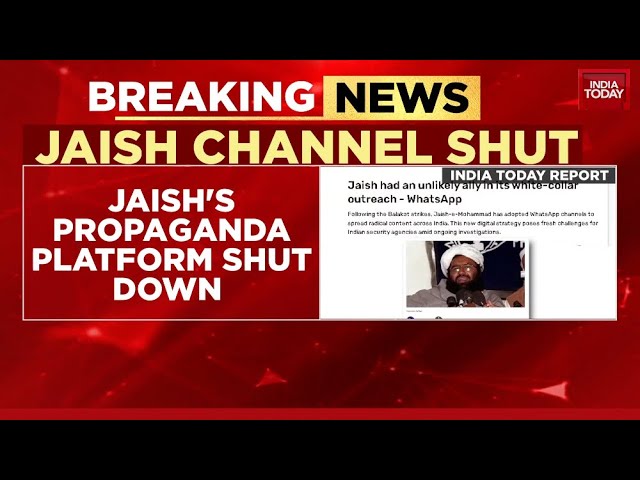
Indian security agencies have scored a significant win in the ongoing battle against online terrorism with the shutdown of a major propaganda channel operated by the Pakistan-based terror group Jaish-e-Mohammed (JeM). The channel, which had been operating on the WhatsApp messaging platform, was taken down following an investigation and subsequent reporting by India Today and Aaj Tak news outlets.
Prior to its removal, the channel had amassed a following of more than 13,000 subscribers, creating a substantial digital footprint for the terror organization’s messaging operations. Security experts familiar with the matter indicate the platform served multiple strategic purposes for JeM, which has been designated a terrorist organization by India, the United Nations, and several countries including the United States and United Kingdom.
According to details revealed in the investigation, JeM operators utilized the WhatsApp channel to spread radical religious content and extremist ideology. The platform also served as an amplification mechanism, pushing propaganda materials to journalists and social media influencers who could potentially further distribute their messaging to broader audiences.
Perhaps most concerning to security agencies was the channel’s reported role in recruitment activities. Intelligence sources suggest the digital platform was instrumental in identifying and cultivating potential recruits for terror modules across various regions of India, representing a significant evolution in how terrorist organizations are adapting their recruitment strategies to the digital age.
“This represents a new challenge for our security apparatus,” said a former intelligence official who requested anonymity. “Terrorist groups are increasingly sophisticated in their use of mainstream communication platforms, making detection and prevention more complex than traditional recruitment methods.”
The WhatsApp channel’s shutdown comes amid growing concerns globally about the exploitation of social media and messaging platforms by extremist groups. Technology companies face mounting pressure to implement more effective monitoring systems while balancing privacy concerns and preventing their services from becoming vehicles for radicalization.
JeM has a long history of violent activities against India, including the 2019 Pulwama attack that killed 40 security personnel and significantly escalated tensions between India and Pakistan. Founded by Masood Azhar in 2000, the group has been linked to numerous terrorist incidents and is believed to maintain training camps in Pakistan-administered Kashmir.
Security analysts point out that the digital recruitment strategy employed by JeM reflects a broader trend among terrorist organizations worldwide. By leveraging popular communication platforms, these groups can reach potential sympathizers directly, bypassing traditional barriers to radicalization and recruitment.
“The mass outreach potential of social media platforms presents a particularly insidious threat,” explained a cybersecurity expert specializing in extremist online behavior. “These channels allow for the gradual brainwashing of individuals who might not otherwise be exposed to such radical ideologies, creating a pipeline of potential recruits across geographic and social boundaries.”
Indian intelligence agencies have reportedly linked the now-defunct WhatsApp channel to several recently dismantled terror modules across the country, though specific details remain classified due to ongoing investigations.
The takedown operation highlights the crucial role media organizations can play in identifying and exposing terrorist propaganda networks. The collaborative effort between news outlets and security agencies demonstrates an effective approach to combating the evolving digital threats posed by terrorist organizations.
WhatsApp’s parent company Meta has previously stated its commitment to preventing the misuse of its platforms for spreading extremist content. The company employs a combination of automated systems and human reviewers to identify and remove content that violates its policies against dangerous organizations.
As terrorist groups continue to adapt their strategies to utilize mainstream digital platforms, security experts emphasize the need for ongoing vigilance and cooperation between technology companies, media organizations, and government agencies to identify and disrupt these evolving threats.
Fact Checker
Verify the accuracy of this article using The Disinformation Commission analysis and real-time sources.

8 Comments
The details revealed in this investigation provide valuable insights into how terrorist groups like JeM are leveraging messaging apps to spread their ideology. Curious to learn if there are any broader lessons or best practices that can be applied to counter similar threats.
Kudos to the Indian security agencies and media outlets for uncovering and shutting down this major JeM propaganda channel. Depriving terrorist groups of online platforms to spread their messaging is an important counter-terrorism measure.
This shutdown of the JeM WhatsApp channel highlights the ongoing battle against online radicalization and the need for continued vigilance. Curious to see if other similar extremist networks will try to reestablish a presence on other messaging apps.
You raise a good point. Terrorist groups are always looking to adapt their tactics, so there will likely be an ongoing game of cat and mouse as authorities work to identify and disrupt their digital propaganda efforts.
A significant victory against online terrorism. Shutting down JeM’s WhatsApp propaganda channel is an important step in combating extremism. Glad to see Indian agencies taking action to disrupt the digital footprint of this terrorist organization.
It’s concerning to see the scale of the JeM propaganda channel on WhatsApp, with over 13,000 subscribers. Glad to see it was taken down, but this underscores the challenge of combating online extremism and the need for sustained efforts.
Interesting to see how JeM was using WhatsApp to spread radical ideology and amplify their messaging. Curious to learn more about the specific tactics and content they were pushing on the platform. Monitoring and disrupting these digital propaganda networks is crucial.
Yes, understanding the evolving tactics of terrorist groups in the digital space is key. Glad the investigation revealed details on how JeM was exploiting WhatsApp to reach broader audiences with their extremist content.