


Listen to the article
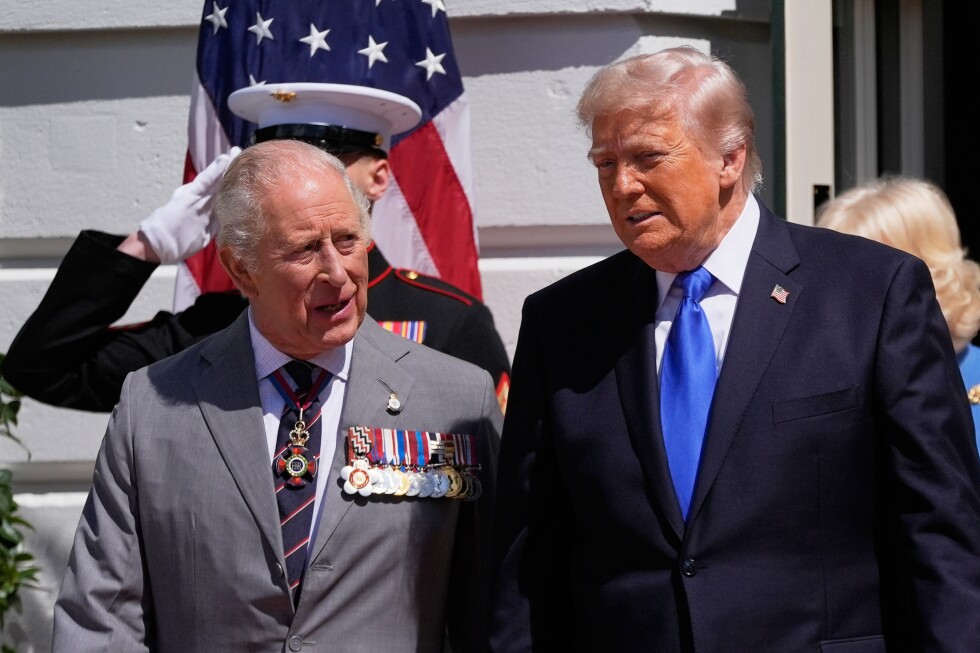
President Trump announced Thursday he will remove certain tariffs on Scotch whisky following this week’s White House visit by King Charles III and Queen Camilla of the United Kingdom, marking a notable shift in his administration’s trade policy.
“The King and Queen got me to do something that nobody else was able to do, without hardly even asking!” Trump declared in a social media post, suggesting the royal visit had influenced his decision to ease trade restrictions that have been a point of contention between the United States and the United Kingdom.
The president specifically mentioned that the tariff removal would address concerns related to the wooden barrels used for aging Scotch and bourbon spirits. These aging vessels are crucial to the production process for premium whisky and whiskey products on both sides of the Atlantic, with manufacturers having lobbied for relief from trade barriers that increased costs and complicated supply chains.
The Scotch whisky industry has been particularly affected by U.S. tariffs imposed during trade disputes. The Scotch Whisky Association previously estimated that exports to the U.S. declined by over 30% during certain periods when tariffs were in effect, representing hundreds of millions of dollars in lost revenue for Scottish distillers.
This announcement represents the latest development in Trump’s sometimes unpredictable approach to trade policy, where alcohol products have frequently been used as leverage in international negotiations. Last year, the president threatened to impose a dramatic 200% tariff on European wines, which would have devastated French and Italian vineyards, though this threat was ultimately not implemented.
European trading partners have consistently responded to U.S. tariff threats with retaliatory measures targeting iconic American products, with Kentucky bourbon often finding itself in the crosshairs. The tit-for-tat approach has created significant uncertainty for spirits producers on both sides of the Atlantic, who rely heavily on international markets.
The spirits industry represents billions in trade between the U.S. and Europe. Scotch whisky alone accounts for over $1 billion in annual exports to the United States, making America one of Scotland’s most valuable markets. Similarly, American bourbon exports to Europe have grown substantially in recent decades as international appreciation for the distinctly American spirit has increased.
Trump’s administration previously offered relief to another alcohol-adjacent industry when it exempted cork from tariffs—a decision that greatly benefited Portugal, the world’s leading supplier of the natural material used to seal wine bottles. That exemption helped prevent price increases for American wine producers who rely on imported cork for their premium products.
Trade experts note that these selective tariff exemptions highlight the complex web of international trade relationships and how specific industries can become bargaining chips in broader economic negotiations. The Scotch whisky exemption follows a pattern where high-profile luxury goods often receive special consideration in trade discussions.
The timing of this announcement, directly following the royal visit, underscores the continuing importance of diplomatic relationships in shaping economic policy. While formal trade negotiations involve teams of representatives working through technical details, this decision suggests that personal diplomacy and state visits can still influence trade outcomes.
Industry representatives from both American and British spirits producers have cautiously welcomed the announcement, though many continue to advocate for broader tariff relief across the sector to provide stability and predictability for international business planning.
As global markets continue to navigate uncertainties related to international trade policies, the spirits industry remains particularly vulnerable to shifting tariff structures due to its reliance on cross-border commerce and the symbolic value these products hold as national exports.
Fact Checker
Verify the accuracy of this article using The Disinformation Commission analysis and real-time sources.

6 Comments
The Scotch whisky industry has certainly faced challenges from trade disputes and tariffs in recent years. I’m curious to see how this move by the president will impact exports and production for those premium spirits.
Absolutely, the aging process and supply chains for whisky and whiskey are quite intricate. Removing trade barriers could provide welcome relief for producers on both sides of the Atlantic.
This seems like a pragmatic step to address concerns around the wooden barrels used for aging Scotch and bourbon. Those production details can have significant impacts on trade and supply chains.
The Scotch whisky industry has been hit hard by tariffs, so this move should provide some much-needed support. I’m curious to see if it leads to broader easing of trade restrictions in the spirits sector.
Interesting to see the president lift certain tariffs on Scotch whisky after the royal visit. Trade policy can be complex, but it’s good when leaders find common ground to ease restrictions that impact industries on both sides.
It’s notable that the president credits the royal visit with influencing this decision. Diplomacy and personal connections can sometimes play a role in trade policy adjustments. I wonder if this signals a broader shift in the administration’s approach.