


Listen to the article
Senate Moves to Temporary Extension of Controversial Surveillance Program
The Senate has abandoned the House’s three-year reauthorization of Section 702 of the Foreign Intelligence Surveillance Act (FISA), opting instead for a 45-day temporary extension of the nation’s contentious surveillance powers as lawmakers continue to debate reforms.
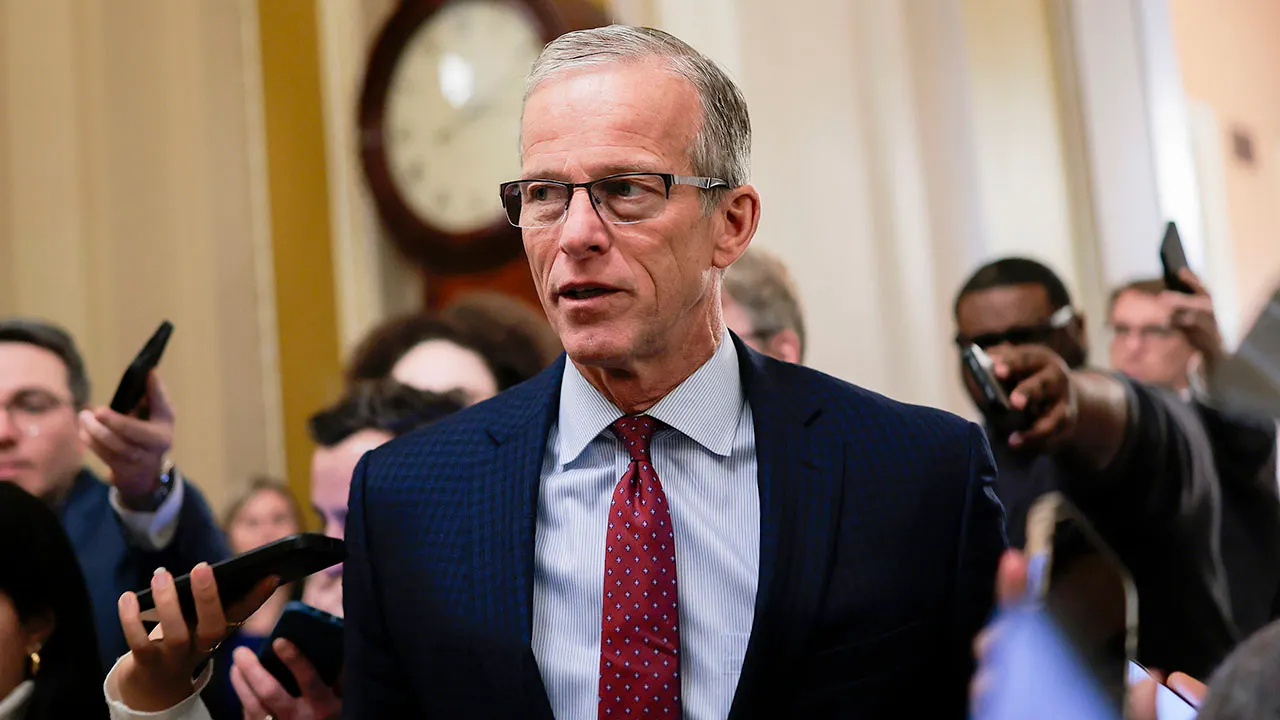
Senate Majority Leader John Thune, R-S.D., confirmed the strategy to Fox News Digital, acknowledging the short-term nature of the solution. “We’ll kick it over there and process it quickly, and we’ll kick the can down the road again,” Thune said, indicating the Senate’s intention to quickly move the temporary extension through the legislative process.
The decision represents a significant setback to the House’s efforts, which on Wednesday had successfully passed a three-year extension with several modest reforms. The House version included a controversial ban on central bank digital currencies—a key priority for conservatives in the lower chamber—but this provision immediately faced resistance in the Senate.
The inclusion of the digital currency provision was deemed a “nonstarter” by Senate leadership, primarily because it was unrelated to the core surveillance legislation. Senate sources noted that a similar provision had already been incorporated into a housing affordability package passed by the Senate in March, which the House has not yet considered.
Section 702 of FISA has long been a source of intense debate in Washington. The program authorizes the U.S. intelligence community to conduct surveillance on non-Americans overseas without warrants. Intelligence officials have repeatedly emphasized its critical importance to national security, citing its role in preventing terrorist attacks and protecting American interests abroad.
However, privacy advocates and civil liberties groups have raised substantial concerns about the program’s scope and potential for abuse. Critics argue that Americans’ communications can be incidentally collected during surveillance operations targeting foreigners, creating a backdoor method for government agencies to access domestic communications without proper judicial oversight.
The inability to reach consensus on a long-term solution reflects the deep divisions within Congress regarding the appropriate balance between national security interests and privacy protections. Republicans and Democrats have both expressed concerns about the program’s operations, though often for different reasons.
Intelligence community leaders have been lobbying aggressively for a clean reauthorization, warning that allowing the program to lapse would create serious national security vulnerabilities. FBI Director Christopher Wray has previously called Section 702 “one of the most valuable tools we have in our toolbox” for protecting Americans from foreign threats.
The 45-day extension provides lawmakers with additional time to negotiate a compromise that addresses both surveillance authorities and appropriate guardrails. However, it also extends the uncertainty surrounding a program that intelligence agencies consider essential to their operations.
The temporary extension must still pass both chambers of Congress before the current authorization expires. With the clock ticking, congressional leaders will need to move quickly to avoid a lapse in surveillance capabilities that intelligence officials warn could have serious national security implications.
This latest development continues a pattern of last-minute extensions for FISA authorities, highlighting Congress’s difficulty in reaching consensus on surveillance reform despite years of debate following the Edward Snowden revelations about U.S. intelligence activities.
As the temporary extension moves forward, lawmakers will face renewed pressure from both civil liberties advocates seeking stronger privacy protections and from national security officials warning about the dangers of weakening surveillance capabilities in an increasingly complex global threat environment.
Fact Checker
Verify the accuracy of this article using The Disinformation Commission analysis and real-time sources.

9 Comments
The digital currency provision seems like an unnecessary distraction that shouldn’t be part of the FISA debate. I’m glad the Senate pushed back on that.
Agreed, these types of unrelated policy riders can undermine the legislative process.
This is a difficult balance to strike. I hope Congress can work in a bipartisan manner to find an approach that protects both national security and civil liberties.
While the temporary extension may be frustrating, it’s better than allowing the surveillance powers to lapse entirely before a long-term solution is reached.
Balancing national security needs with civil liberties is an ongoing challenge. I hope Congress can find a path forward that addresses both effectively.
Thoughtful compromises are often difficult but necessary on complex issues like this.
The inclusion of the digital currency provision was an unusual move that likely complicated the FISA reauthorization process. I’m curious to see how this plays out.
Agreed, tying unrelated issues to must-pass legislation is generally not a productive strategy.
This is a complex issue with valid concerns on both sides. A short-term extension seems prudent to allow more time for careful deliberation and potential reforms.