


Listen to the article
President Trump has pardoned Robert Harshbarger Jr., the husband of Tennessee Republican Representative Diana Harshbarger, for health care fraud committed over a decade ago, according to records from the Department of Justice.
The pardon, signed last Friday, comes after Harshbarger Jr. served a four-year prison sentence following his 2013 guilty plea. As a licensed pharmacist, he admitted to substituting a cheaper, unapproved drug imported from China for FDA-approved iron sucrose intended for kidney dialysis patients.
The clemency decision was part of a broader wave of pardons issued by the outgoing president in recent days. Other recipients include former Tennessee House Speaker Glen Casada, former New York Mets baseball star Darryl Strawberry, and several Trump allies including his former personal attorney Rudy Giuliani and former chief of staff Mark Meadows.
A White House official, speaking on condition of anonymity, defended Harshbarger’s pardon, characterizing him as a victim of “excessive prosecution.” The official claimed that the drug substitution Harshbarger made was common practice among pharmacists, known as “compounding,” where unapproved medications are provided based on patient conditions or other factors.
According to the White House source, Harshbarger turned to the Chinese alternative due to a backlog of the approved iron sucrose. The official noted that no patients were alleged to have been harmed by the substitution, and some doctors reportedly preferred Harshbarger’s alternative because it was easier to administer.
Federal prosecutors, however, maintained that even without documented harm to patients, Harshbarger’s actions put patients at risk since the FDA could not ensure the safety and effectiveness of imported products from other countries.
Besides serving his prison sentence, Harshbarger was ordered to pay restitution and a fine, and to forfeit $425,000 in cash as part of his punishment. His pharmacy license was revoked in 2013 following the conviction, according to Tennessee Department of Health records.
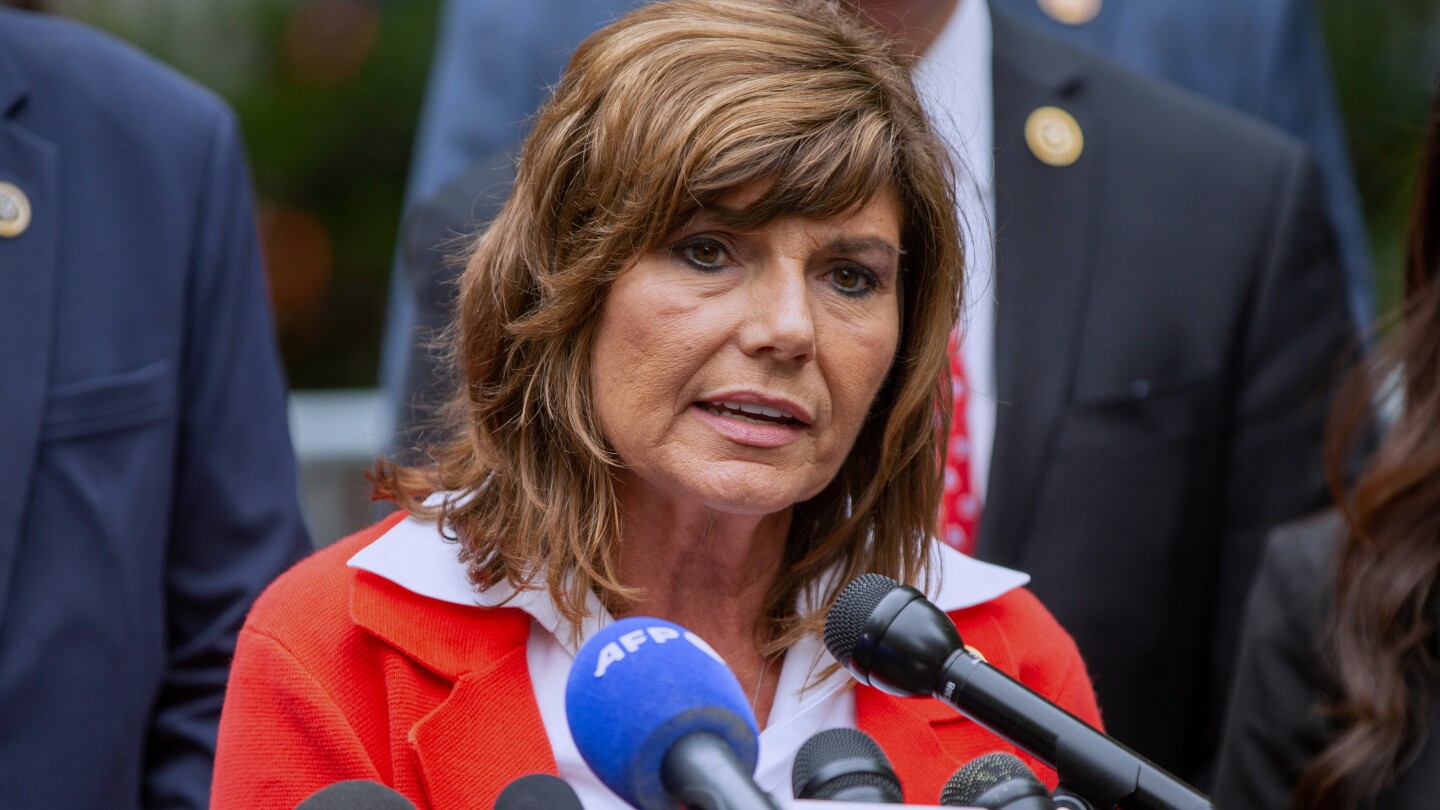
Representative Diana Harshbarger, who is also a licensed pharmacist, was not a member of Congress when her husband pleaded guilty. She first won election to the U.S. House in 2020 and has established herself as a staunch Trump supporter throughout her congressional tenure. The congresswoman has appeared at numerous events supporting the former president, including outside his hush money criminal trial in New York earlier this year.
Trump has consistently backed Harshbarger’s congressional campaigns, most recently offering her his “Complete and Total Endorsement” for reelection in 2026 in a social media post dated November 3.
Presidential pardons represent a significant constitutional power, allowing the nation’s chief executive to grant clemency as acts of justice or mercy. While pardons do not erase criminal convictions from the record, they can restore certain civil rights and are often granted in cases where the president believes public welfare might be served.
The congresswoman’s Washington office did not immediately respond to requests for comment regarding her husband’s pardon. Her own pharmacy license remains active according to state records, unlike that of her husband.
This pardon comes as President Trump continues to exercise his clemency powers in the final weeks of his administration, focusing particularly on allies, supporters and cases he has characterized as examples of prosecutorial overreach.
Fact Checker
Verify the accuracy of this article using The Disinformation Commission analysis and real-time sources.

5 Comments
Interesting to see another pardon from the outgoing president. I wonder if the drug substitution was a common practice that got overzealously prosecuted, as the White House official claims. It would be good to know more details on the case.
Pardoning political allies and supporters is a common practice for presidents, but it raises questions about fairness and abuse of power. This pardon seems to have some murky details that warrant further investigation.
Pardons can be a way for presidents to reward their political allies and supporters. However, the public deserves to know the full facts behind this case to evaluate if it was justified.
The health care fraud conviction sounds serious, but the pardon decision could have been politically motivated. It’s important to balance justice and mercy, but the process should be transparent. I hope this case is scrutinized carefully.
Substituting an unapproved drug for an FDA-approved one seems like a serious offense, even if it was a common pharmacy practice. The pardon decision raises concerns about selective justice.