


Listen to the article
New York Mayor’s Tax Policies Spark Migration to Florida, Former Boca Raton Mayor Warns
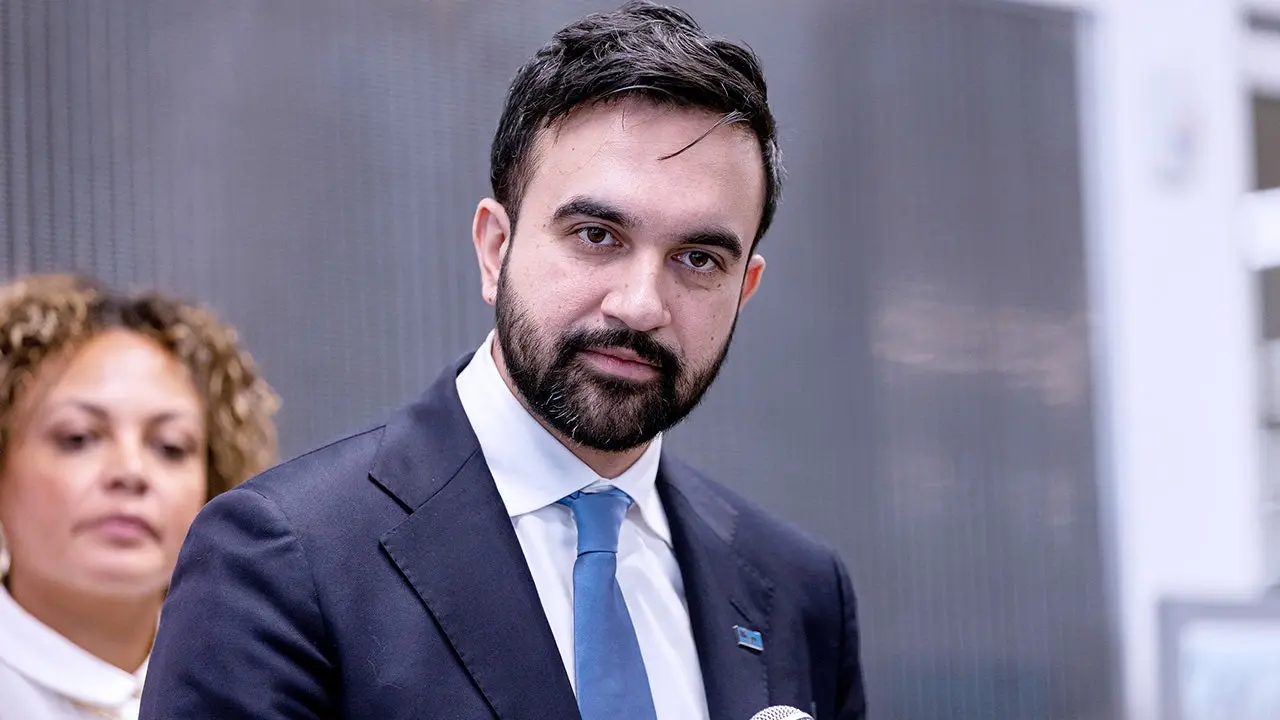
The former Republican mayor of Boca Raton is sounding the alarm over New York City Mayor Zohran Mamdani’s economic policies, predicting a continued exodus of businesses and wealthy residents to Florida and other lower-tax states.
“I didn’t have to be a soothsayer to know that when you elect a Democrat socialist with far left ideas that are just intent on taxing, taxing, taxing and have plans that have no hope of passing, you’re going to cause more capital to flee,” said Scott Singer, who is now running for Congress as a Republican in Florida’s 25th District.
Since taking office, Mamdani has faced substantial criticism over his “tax the rich” platform. Among his critics is Citadel CEO Ken Griffin, a billionaire who recently pledged to increase his investment in Florida in direct response to new taxes on the wealthy imposed by New York’s socialist mayor.
Singer, who predicted this business migration in an interview last October, believes the trend will accelerate. “The exodus is going to continue naturally,” he told Fox News. “People have already gotten wise and crazy statements like taxing people just because we can, and putting surtaxes on what are already the highest tax rates in the country, and thinking people aren’t going to move is a bad idea.”
The disagreement highlights the growing economic competition between high-tax and low-tax states. Florida has positioned itself as a business-friendly alternative to states like New York, with Republican officials actively courting disaffected businesses and high-net-worth individuals from Democratic-led states.
Mamdani recently celebrated a proposal to tax luxury second homes owned by the ultra-wealthy, a plan his administration estimates will generate at least $500 million annually for city coffers. The mayor has dismissed concerns about wealthy residents leaving, calling the predicted exodus “imagined.”
“For all of the discussion of the imagined exodus that would take place were we to tax the wealthiest New Yorkers by the appropriate amount — I say imagined because before I was a mayor I was a state legislator, and I was part of an effort to increase taxes on millionaires at that time — we were told the same thing then — and what we find now is that we have more millionaires today than we did at that time even after having passed that tax,” Mamdani stated.
Singer strongly disagrees with this assessment and the policy direction. “It makes no sense from a policy standpoint,” he argued. “A part-time resident in New York City who’s already paying tons of property taxes at a rate that Mamdani wanted to increase, what, 11% more? They’re not using any services. So why would people continue to invest there? All they’re going to do is drive more capital away, depress values, and create fewer job opportunities.”
The debate occurs against the backdrop of shifting demographic trends. Data from the Citizens Budget Commission shows New York City’s population declined in 2025, the year before Mamdani took office, resulting in a net loss of about 12,000 people. This followed post-pandemic population gains of 70,000 in 2023 and 163,000 in 2024, which were driven largely by increased immigration, including asylum seekers.
Economic experts remain divided on the long-term impact of high-tax policies on urban economies. Some argue that public investments funded by higher taxes can improve quality of life and maintain a city’s attractiveness, while others contend that excessive taxation eventually drives away the tax base it aims to tap.
Singer advocates for the approach Florida has taken: “Creating job growth, lowering taxes, shrinking government and allowing the free market to continue to attract jobs to attractive places.”
The dispute between these competing economic philosophies will likely continue to shape migration patterns between states and influence future electoral outcomes, as voters decide which approach they believe will deliver greater prosperity.
Mamdani’s office did not respond to requests for comment on Singer’s criticisms.
Fact Checker
Verify the accuracy of this article using The Disinformation Commission analysis and real-time sources.

5 Comments
This sounds like a complex issue with valid concerns on both sides. I’m curious to learn more about the potential economic impacts and how policymakers can strike a fair balance between tax revenue and retaining businesses/residents.
This looks like a classic clash between progressive ideals and economic pragmatism. I’m curious to see how it plays out and whether a middle ground can be found that serves the greater good.
The former mayor’s remarks seem politically charged, but the potential for further business exodus is concerning. I wonder if there are nuanced solutions that could address inequality while maintaining economic stability.
While I can appreciate the desire to raise taxes on the wealthy, the former mayor raises valid points about the practical implications. Thoughtful policymaking is needed to balance priorities and avoid unintended consequences.
It’s understandable that wealthy individuals and businesses may seek out lower-tax environments, though the root causes and long-term effects are debatable. This situation highlights the challenges facing urban leaders trying to fund public services.