


Listen to the article
The end of the longest government shutdown in U.S. history appears imminent, with the House of Representatives scheduled to vote on a federal funding bill Wednesday evening. House lawmakers will take a procedural vote during the 5 p.m. hour to determine whether debate on the measure can proceed, with a final vote expected around 7 p.m.
The government has been shuttered for 43 days as Democrats and Republicans clashed over the Republican-led federal funding bill, which proposed a short-term extension of fiscal year 2025 spending levels through November 21. While House Democratic leadership and most Democratic lawmakers continue to oppose the legislation, Republicans across various ideological factions have expressed confidence in securing near-unanimous GOP support.
House Freedom Caucus Policy Chairman Chip Roy, R-Texas, indicated widespread backing from the fiscally conservative wing of the party, telling reporters Tuesday night, “I’m unaware of any opposition of significance.” House Appropriations Committee Chairman Tom Cole, R-Okla., echoed this sentiment, stating, “I think the votes will be there on our side.”
The razor-thin Republican majority in the House leaves little room for error, as GOP leaders can afford to lose only two Republican votes without Democratic support. House Majority Leader Steve Scalise, R-La., expressed optimism about the bill’s prospects, noting that a few Democrats seem to be reconsidering their opposition.
As the shutdown has persisted, its effects have grown increasingly severe nationwide. Air traffic controllers and Transportation Security Administration agents forced to work without pay have taken second jobs, leading to staffing shortages at major airports and causing flight delays and cancellations across the country. Millions of Americans dependent on federal benefits have faced uncertainty as funding for critical government programs neared depletion.
The core dispute centered on Democratic leaders’ insistence that any funding bill include an extension of COVID-19-era enhanced Affordable Care Act subsidies set to expire at year’s end. Democrats argued this was crucial to prevent healthcare price increases for Americans. Republicans agreed to discuss healthcare system reforms but refused to combine partisan priorities with federal funding legislation.
The initial bill passed the House on September 19 but stalled in the Senate for weeks, with Democrats blocking it more than a dozen times. The breakthrough came with a compromise that garnered support from eight Senate Democrats, allowing it to advance.
The new legislation would extend fiscal year 2025 federal funding through January 30, providing negotiators additional time to craft a longer-term deal for fiscal year 2026. It also makes progress on funding specific departments, including Agriculture, Food and Drug Administration, Veterans Affairs, military construction, and the legislative branch.
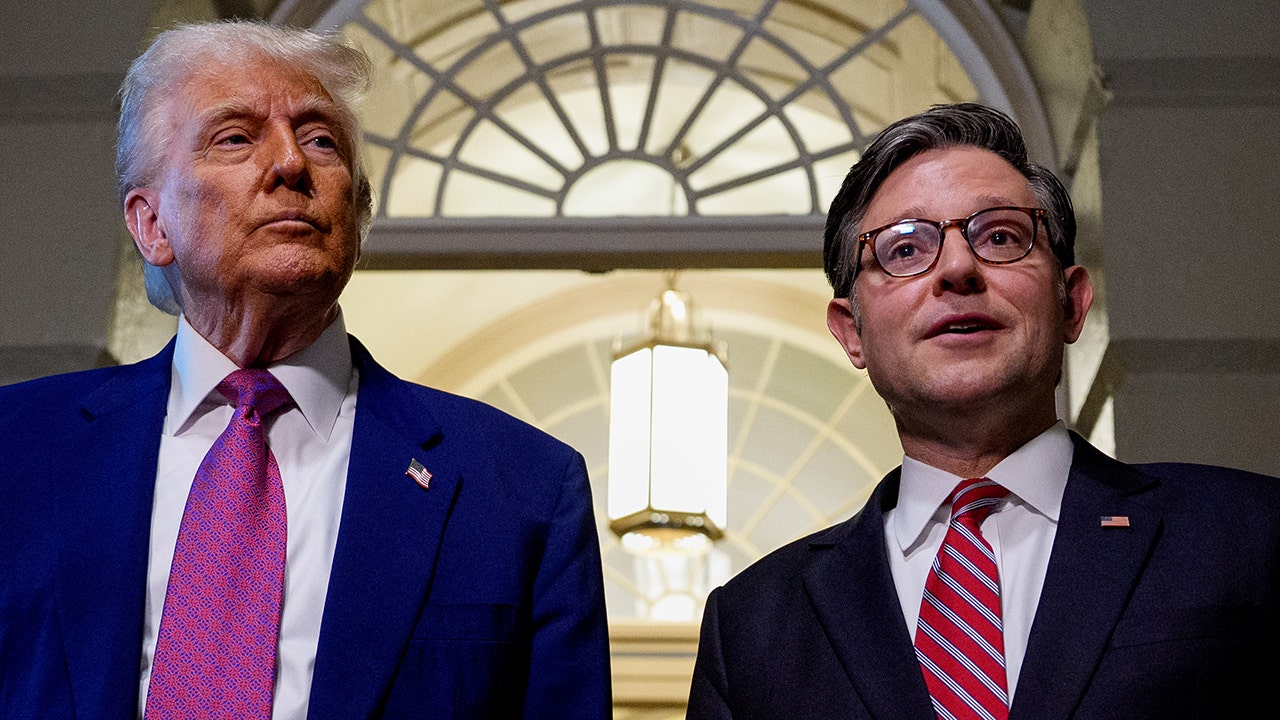
In a concession to Democrats, the deal would reverse federal layoffs implemented by the Trump administration in October, with affected workers receiving back pay for their time off. A side agreement in the Senate also guarantees Democrats a vote on legislation to extend enhanced ACA subsidies, though House Speaker Mike Johnson, R-La., has made no similar commitment.
If passed Wednesday night, the bill will proceed to President Donald Trump’s desk for signature. A White House official told Fox News Digital on Tuesday, “President Trump has wanted the government reopened since the first day Democrats shut it down. The action in the Senate is a positive development, and we look forward to seeing it progress.”
The potential resolution comes after weeks of partisan gridlock that has tested federal workers, impacted government services, and frustrated Americans across the political spectrum, marking what many hope will be the end of an unprecedented period of government dysfunction.
Fact Checker
Verify the accuracy of this article using The Disinformation Commission analysis and real-time sources.

10 Comments
The funding bill’s passage is a positive step, but the underlying political divisions that led to the shutdown remain. I hope this serves as a wake-up call for both parties to find ways to work together more effectively.
You raise a fair point. Resolving the shutdown is just the first step – sustained bipartisan cooperation will be needed to address the country’s pressing challenges.
This is an important step, but the real test will be whether Congress and the administration can work together constructively on other critical issues facing the nation, including infrastructure investment, energy policy, and support for the mining industry.
Well said. Resolving the shutdown is just the first hurdle – sustaining bipartisan cooperation on key economic and national priorities will be crucial going forward.
As an investor in mining and energy equities, I’m curious to see how this development might impact those sectors. The shutdown likely created some uncertainty and delays in permitting and project development.
That’s a good observation. Restoring normal government operations should help provide more regulatory clarity and stability for mining, energy, and other industries reliant on federal agencies.
This is an important development, as the record-breaking government shutdown has caused significant disruption and uncertainty. Resolving this impasse will allow federal agencies to resume normal operations and services.
Agreed. Ending the shutdown is crucial for the economy and the American people. Hopefully, this bipartisan compromise can set the stage for more constructive dialogue on budget and policy issues going forward.
While I’m glad the shutdown is ending, I remain skeptical about the underlying political dynamics that led to this impasse. Stronger institutional safeguards and a renewed commitment to bipartisanship seem necessary to prevent future shutdowns.
I share your skepticism. Lasting solutions will require lawmakers to move beyond partisan gridlock and find ways to compromise for the greater good of the country.