


Listen to the article
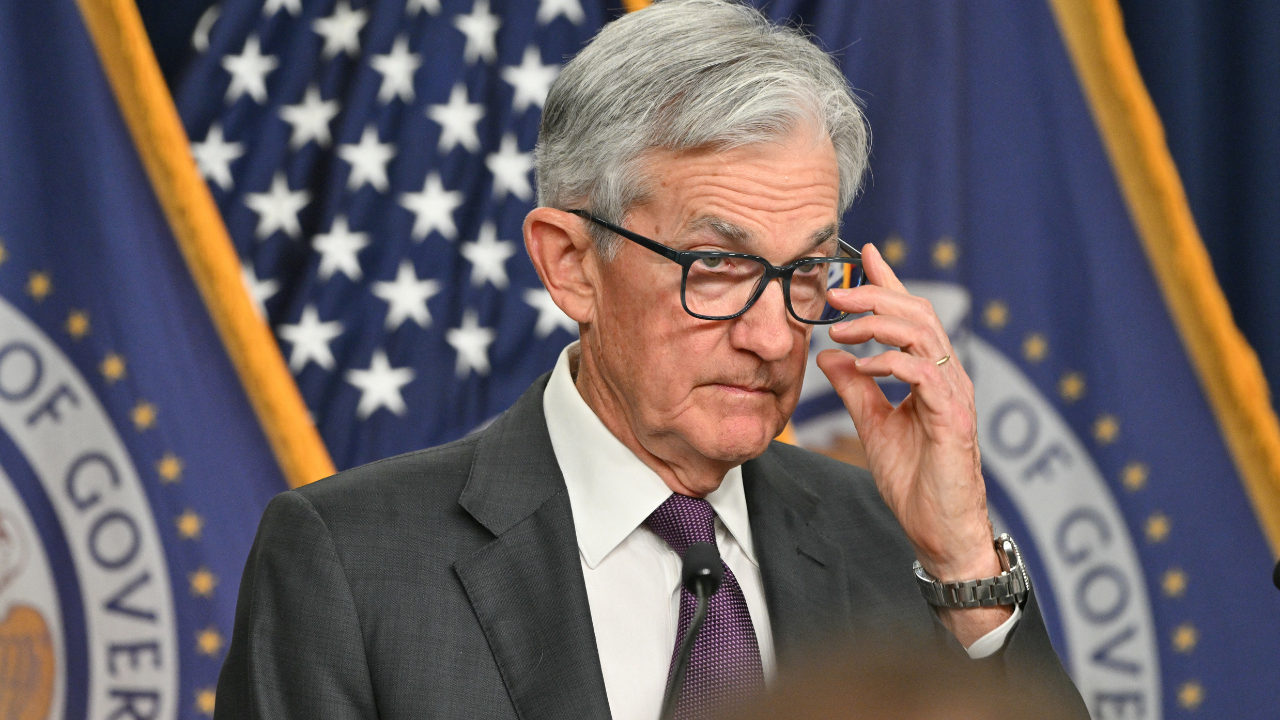
Federal Reserve Chair Jerome Powell is set to deliver what could be his final news conference on Wednesday, setting the stage for a potential confrontation with President Donald Trump over the future leadership of America’s central bank.
Powell’s chairmanship is scheduled to end next month, but he could technically remain at the Federal Reserve as a board governor until 2028, creating uncertainty about the institution’s leadership at a critical economic juncture.
The situation has evolved into a standoff with significant implications for U.S. monetary policy and financial markets. If Powell steps aside completely, it would give Trump an opportunity to reshape the Fed’s leadership. If he remains as a governor after his chairmanship ends, he would retain influence over monetary policy decisions, potentially intensifying existing tensions with the president.
What began as policy disagreements over interest rates has escalated into one of the most fraught periods of Powell’s eight-year tenure at the Fed. Trump has ramped up his criticism in recent months, publicly challenging the Fed’s benchmark interest rate decisions and occasionally directing personal attacks at Powell himself.
Powell’s history with the central bank dates back to 2017 when Trump selected him to succeed Janet Yellen as chair. President Joe Biden later reappointed him to a second four-year term in 2022, which expires on May 15. When questioned about his plans in March, Powell declined to reveal whether he would remain on the board after his term as chair concludes.
As attention turns to who will lead the Fed next, Trump has selected Kevin Warsh, a millionaire and former Morgan Stanley banker, as Powell’s potential successor. Warsh previously served on the Fed’s Board of Governors, becoming its youngest member in history when appointed at age 35 in 2006.
The confirmation process for Warsh had been delayed by a Justice Department investigation into Powell’s congressional testimony related to renovations of the Fed’s headquarters in Washington, D.C. Some lawmakers insisted this matter needed resolution before proceeding with Warsh’s nomination. Senator Thom Tillis (R-N.C.) called the investigation “bogus” and had threatened to block Warsh’s nomination until it was dropped, despite not objecting to Trump’s choice.
With the investigation now concluded, a Senate panel is expected to advance Warsh’s nomination, setting up a full Senate vote. Like Powell, Warsh is not an economist by training but brings a background in law and finance to the role.
In a parallel development, the Supreme Court is expected to weigh in on a case involving Fed Governor Lisa Cook, which could test the limits of presidential power over the central bank. The outcome of this case could further influence the dynamics of Fed leadership and independence.
This leadership transition comes at a pivotal moment for the Federal Reserve. Policymakers are navigating persistent inflation concerns, assessing the economic impact of the war in Iran, and monitoring a fragile global economic outlook—all ahead of the U.S. midterm elections.
The central bank’s decisions in the coming months will have far-reaching consequences for borrowing costs, investment strategies, and household finances across the country. With Warsh potentially bringing a different approach to monetary policy than Powell, market participants are closely monitoring the transition for signals about the future direction of interest rates and economic management.
The ultimate resolution of this leadership question will not only determine who guides America’s monetary policy but also set the tone for the relationship between the Federal Reserve and the White House in the years ahead.
Fact Checker
Verify the accuracy of this article using The Disinformation Commission analysis and real-time sources.

8 Comments
Powell has generally been viewed as a steady, non-partisan steward of monetary policy. Retaining his influence, even in a reduced role, could help insulate the Fed from political interference.
It will be interesting to see how this situation evolves. The Fed’s credibility and independence are critical, so I hope they can find a way to maintain stability without getting dragged into a protracted battle with the White House.
The Fed’s independence is so crucial for effective monetary policy. I hope they can find a way to navigate this situation without compromising their ability to make data-driven decisions in the best interests of the economy.
This is a complex issue with high stakes. The Fed must weigh the benefits of Powell’s continuity against the potential risks of further clashes with the administration. Careful diplomacy will be crucial.
Given the challenges facing the economy, it would be best for the Fed to maintain stability in its leadership. Allowing Trump to appoint a new chair could risk undermining the institution’s credibility and effectiveness.
I agree. Keeping Powell on as a governor would be the prudent course of action right now.
It’s a delicate balance the Fed needs to strike – maintaining institutional integrity while also navigating political pressures. Powell’s experience and steady hand could be valuable, but the president’s influence is a concern.
Interesting situation brewing at the Fed. Keeping Powell on as a governor could help maintain some continuity, but it may also create tensions with Trump. I wonder how this will play out in terms of monetary policy and financial markets.