


Listen to the article
Prosecutors Accuse Charlie Kirk Assassination Defense of Misleading Public on Key Evidence
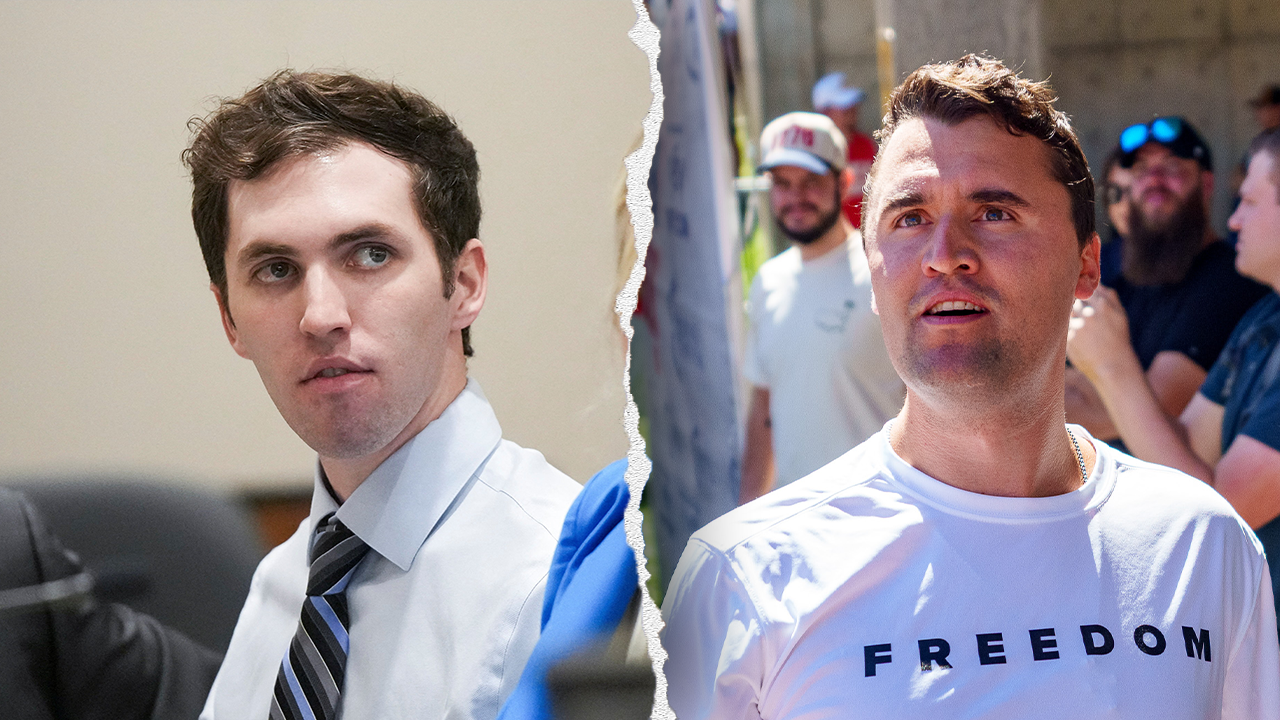
Utah prosecutors have fired back against defense attorneys representing Tyler Robinson, the man accused of assassinating conservative activist Charlie Kirk, alleging they deliberately misled the public about crucial ballistic evidence in the high-profile case.
In a strongly-worded court filing, Deputy Utah County Attorney Christopher Ballard accused Robinson’s defense team of strategically omitting key information that subsequently went viral in media reports, fueling unsubstantiated conspiracy theories about Kirk’s murder.
The dispute centers around statements made by Robinson’s attorneys regarding ballistic evidence examined by the Bureau of Alcohol, Tobacco, Firearms and Explosives (ATF). The defense claimed in court documents that “the ATF was unable to identify the bullet recovered at autopsy to the rifle allegedly tied to Mr. Robinson,” suggesting potential reasonable doubt in the case.
However, Ballard contends this representation was deliberately misleading because it excluded crucial context. “The ATF was unable to identify or exclude the bullet as having been fired from the rifle,” Ballard emphasized in his response, adding that the defense reinforced the misleading impression by suggesting they might present the ATF’s findings as “exculpatory evidence.”
The prosecution’s filing came in response to a defense motion seeking sanctions against prosecutors for speaking about the case outside the courtroom. Ballard argues that while court rules and a gag order limit what can be discussed publicly, these same rules permit attorneys to “set the record straight” when information has been misrepresented.
Judge Tony Graf Jr. ultimately unsealed the ATF report to provide the public with direct access to the source material. The report’s appendix clarified that “inconclusive” findings indicate “an examiner’s opinion that there is an insufficient quality and/or quantity of individual characteristics to identify or exclude” a bullet from having been fired from a specific weapon.
Ballistics experts have noted to media outlets that it’s not unusual for bullets to fragment upon impact with human tissue, making definitive identification difficult or impossible in some cases.
Despite the inconclusive ballistic match, prosecutors have substantial evidence linking Robinson to the crime. Law enforcement recovered a spent casing consistent with both the bullet and the alleged murder weapon—a Mauser rifle belonging to Robinson’s grandfather.
According to investigators, Robinson allegedly positioned himself on a rooftop across from where Kirk was speaking at Utah Valley University on September 10, 2025, and fired a single fatal shot. Campus police found physical evidence on the gravel rooftop “consistent with a sniper having lain there—impressions in the gravel potentially left by the elbows, knees and feet of a person in a prone shooting position.”
The shooting occurred in front of approximately 3,000 people who had gathered to hear Kirk speak during his “American Comeback Tour.” Graphic video captured the moment the bullet struck Kirk in the neck, resulting in his death.
Police later discovered the rifle wrapped in a blanket in a wooded area near campus. Text messages between Robinson and his romantic partner, Lance Twiggs, allegedly reference plans to retrieve the weapon. “Stuck in Orem for a little while longer yet,” Robinson reportedly wrote hours after the murder. “Shouldn’t be long until I can come home, but I gotta grab my rifle still.” Twiggs, who is cooperating with investigators, has not been charged with any crime.
The legal battle has additional layers of complexity. Robinson’s defense team has previously raised concerns about media coverage potentially jeopardizing their client’s right to a fair trial and has a pending motion to prohibit news cameras from future court proceedings.
If convicted of aggravated murder, Robinson could face the death penalty, making this one of the most closely watched criminal cases in the country.
The judge has yet to rule on the defense’s motion for sanctions or their request to have prosecutors turn over internal communications, which Ballard argues are protected as privileged work products.
Fact Checker
Verify the accuracy of this article using The Disinformation Commission analysis and real-time sources.

22 Comments
This case seems to be generating a lot of heated rhetoric and speculation. It’s important to focus on the facts and let the justice system work through the issues methodically.
Well said. Rushing to judgment or spreading unverified claims is unproductive. The public interest is best served by a fair and transparent judicial process.
This case seems to be generating a lot of attention and controversy. I hope the court can cut through the noise and focus on the objective evidence.
The prosecutors’ accusations of misleading the public are concerning. I hope both sides can present their evidence clearly and allow the court to make an impartial ruling.
The dispute over the ATF’s ballistic findings is a key point of contention. I wonder if there are any independent experts who could provide a neutral assessment of the evidence.
Ballistic evidence can be complex and open to interpretation. I’m curious to see how the court evaluates the ATF’s findings and the defense’s counterarguments.
Agreed, this aspect of the case will be critical. Objective scientific analysis should take precedence over spin or speculation.
The prosecutors’ allegations of misleading the public are serious. I trust the legal process will carefully examine all the evidence and reach a fair conclusion.
Absolutely, the integrity of the justice system is paramount here. Both sides should present their cases transparently and let the facts guide the outcome.
The prosecutors’ allegations of misleading the public are concerning. I hope both sides can present their cases clearly and allow the court to reach a fair and impartial conclusion.
Agreed, transparency and objectivity are essential for maintaining public confidence in the judicial system, especially in a high-profile case like this.
The dispute over the ATF’s ballistic findings is a crucial aspect of this case. I’m curious to see how the court handles this technical and potentially contentious issue.
Agreed, the court will need to carefully evaluate the competing claims and ensure the public can have confidence in the final outcome.
The dispute over the ATF’s ballistic evidence is a complex and important issue. I’m curious to see how the court navigates this technical aspect of the case.
Absolutely, the court’s handling of the forensic evidence will be crucial in establishing the facts and building public trust in the process.
Prosecutors accusing the defense of misleading the public is a serious allegation. I hope both sides can present their evidence and arguments clearly and objectively.
This case seems to be generating a lot of heated debate and speculation. I hope the court can cut through the noise and focus on the objective evidence.
Prosecutors accusing the defense of misleading the public is a serious allegation. I hope the court can carefully examine all the evidence and come to a fair conclusion in this high-profile case.
Absolutely, the integrity of the legal process is paramount here. Both sides should present the facts transparently and let the evidence speak for itself.
This case seems quite complicated. I’m curious to know more about the specifics of the ballistic evidence and how it’s being interpreted by both sides. Providing full context is important to avoid misleading the public.
Agreed, the prosecutors’ allegations of selective disclosure by the defense are concerning. The public deserves a clear and unbiased account of the forensic evidence.
This dispute over the ATF’s ballistic evidence is an important issue. I hope the court can get to the bottom of the disagreement and provide clarity for the public.